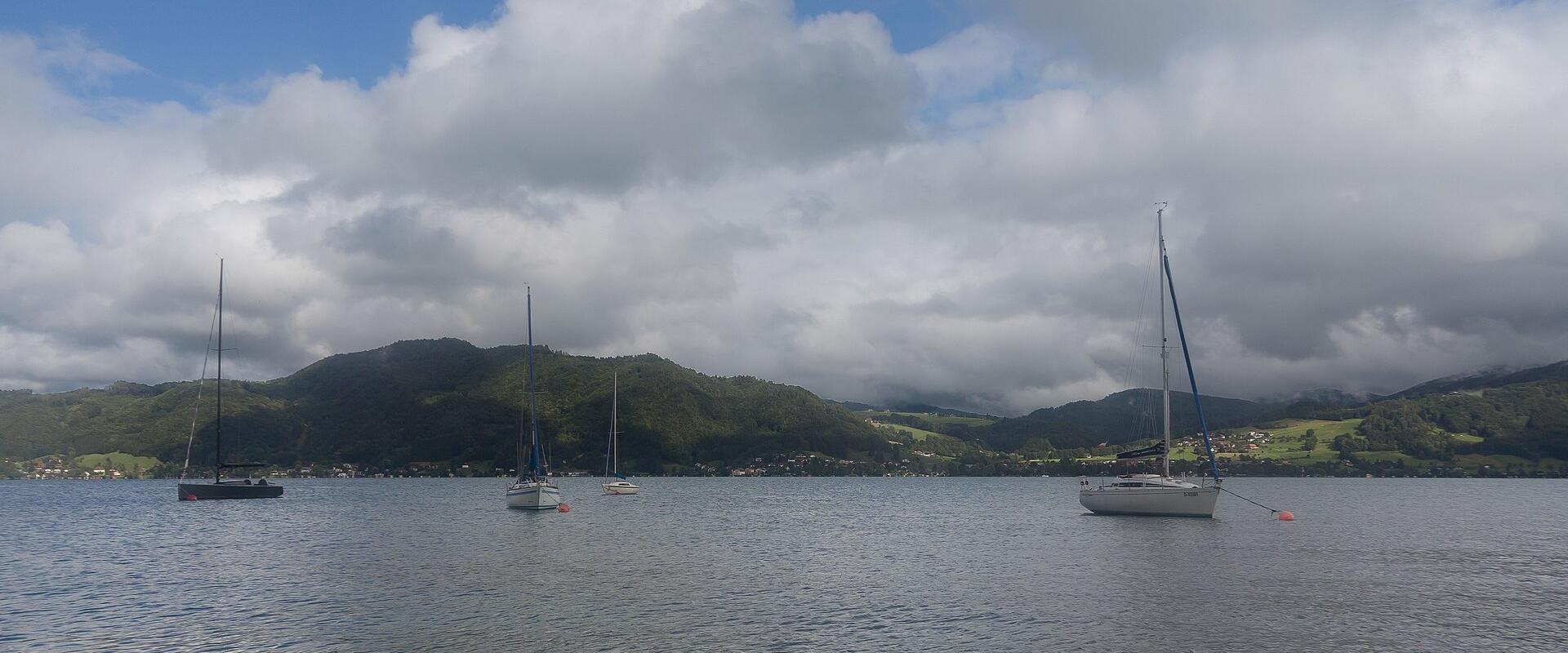
Attersee
Largest lake in the Austrian Alps with historic lakeside villages
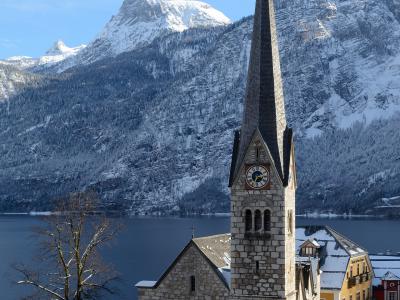
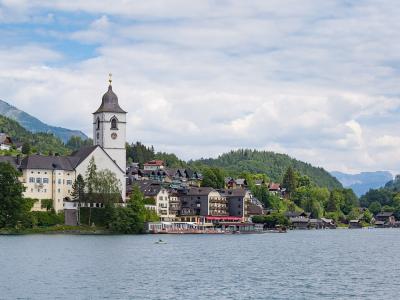
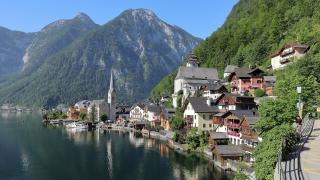
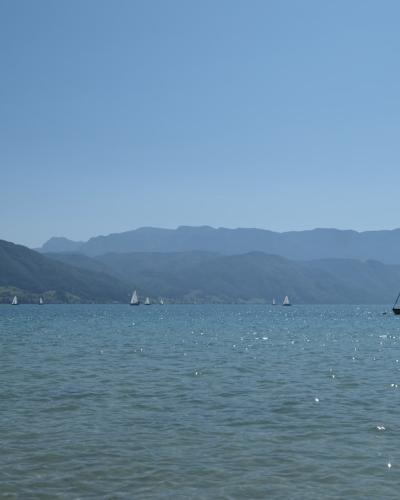
Attersee, situated in the heart of the Salzkammergut region in Upper Austria, is a destination defined by its stunning natural beauty and rich cultural history. As the largest lake completely within Austrian territory, it serves as a central hub for tourism in the area. The lake is surrounded by the rugged peaks of the Totes Gebirge to the south and the Dachstein mountains to the north, creating a dramatic backdrop for the lakeside villages. The water is exceptionally clear, often reaching visibility depths of up to 30 meters, making it a popular spot for diving and swimming. The region’s history dates back to prehistoric times, with archaeological evidence of pile dwellings that have been recognized by UNESCO as a World Heritage Site. These settlements provide insight into early human life in the Alpine region.
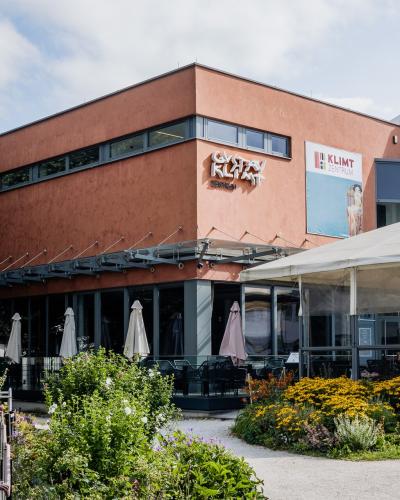
The cultural significance of Attersee is deeply tied to the late 19th and early 20th centuries, when it became a haven for artists. Gustav Klimt, along with other members of the Vienna Secession, found inspiration in the lake’s changing light and landscapes. The Gustav Klimt House in Unterach now serves as a museum dedicated to his life and work, offering visitors a glimpse into the artistic circle that frequented the area. Other notable figures, such as Egon Schiele and Oskar Kokoschka, also spent time in the region, contributing to its reputation as an artistic center. The villages around the lake, such as Attersee am Attersee and Unterach, retain a charming, traditional Austrian character with well-preserved architecture and a relaxed atmosphere.
Activities at Attersee are diverse, catering to both active travelers and those seeking relaxation. The lake is a premier destination for water sports, including sailing, windsurfing, and paddleboarding. Several boat tours operate on the lake, providing scenic cruises and stops at various points of interest, such as the Bienenhof (Bee Farm) and the Adventure Pile Dwelling museum, which offers an interactive look at prehistoric life. For those who prefer land-based activities, the surrounding hills offer numerous hiking and cycling trails. The Attersee Klettersteig, a via ferrata route, provides a thrilling experience for climbers, while the Attergau Observation Tower offers panoramic views of the lake and mountains. The region is also known for its wine production, with local vineyards producing high-quality white wines that can be tasted at various wineries and Heuriger taverns.
Getting to Attersee is convenient via public transportation or car. The nearest major city is Linz, which is well-connected by rail and road. From Linz, buses and trains serve the lakeside villages. The Atterseebahn, a historic railway line, connects the lake to the surrounding region, offering a scenic way to travel. For drivers, the A1 motorway provides access to the area, with several exits leading to the lake. The region is also accessible from Salzburg and Munich, making it a popular day-trip destination for tourists in those cities.
The best time to visit Attersee is from June to September, when the weather is warm and ideal for swimming and outdoor activities. July and August are the peak months, with warm temperatures and long days, but also larger crowds. May and September offer milder weather and fewer tourists, making them excellent choices for hiking and sightseeing. Winter visits are less common for water activities but offer opportunities for winter sports in the surrounding mountains and a peaceful, snowy landscape.
Best Time to Visit
Visit from June to September for warm weather ideal for swimming and water sports, or May and September for hiking with fewer crowds.
Plan Your Visit to Attersee
Essential travel tips and information for your trip to Attersee.
Suggested Itineraries
Travel Tips
Currency
EUR • Cards widely accepted
Language
German • English in tourist areas
WiFi
Free WiFi in cafes and hotels
Explore Attersee by Interest
Discover attractions and experiences in Attersee organized by your interests and travel preferences.
All attractions in Attersee
Sorted by our recommendation score
Quick Facts
Book your stay
Frequently Asked Questions
More destinations in Upper Austria
Explore other amazing places in the Upper Austria region