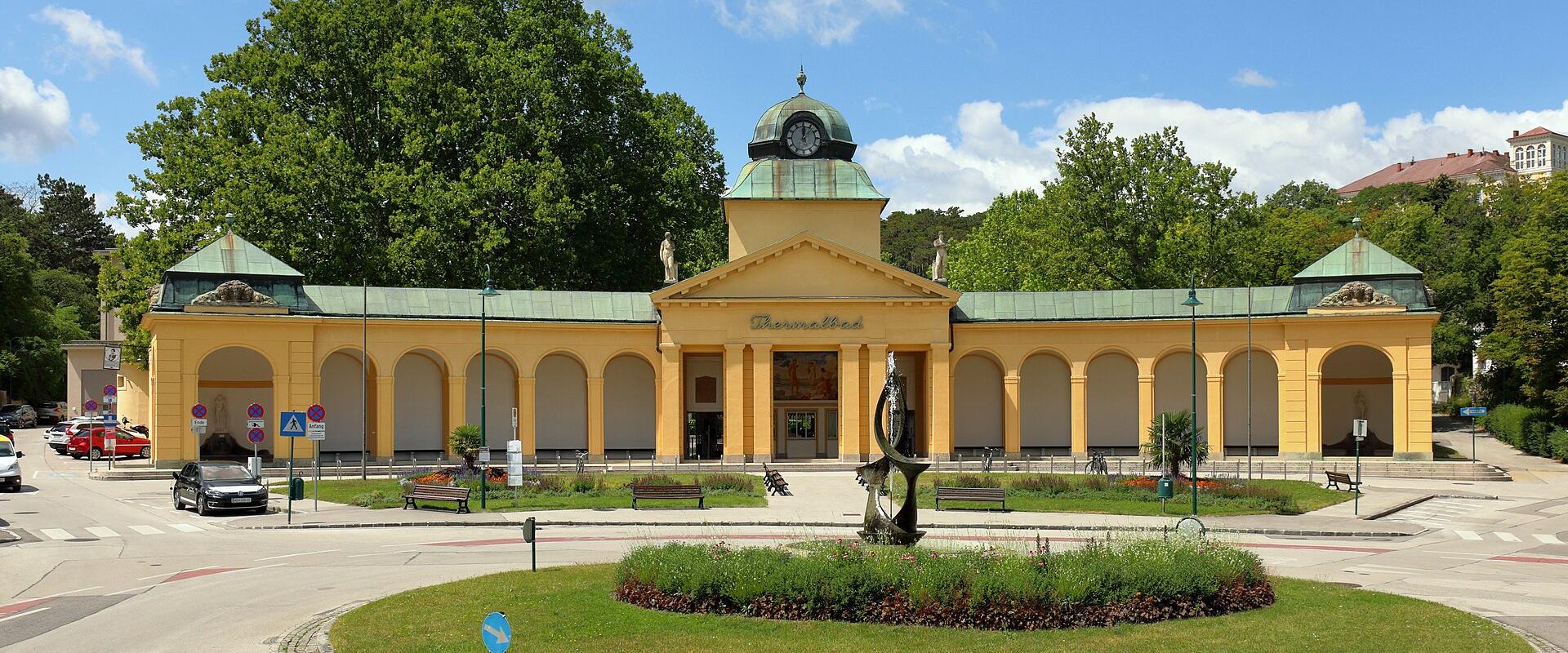
Bad Vöslau
Spa town in Lower Austria known for wine and thermal baths
Bad Vöslau, located in the Lower Austria region, is a municipality that beautifully combines the tranquility of a spa town with the vibrancy of a wine-growing community. Situated approximately 25 kilometers south of Vienna, it serves as a popular weekend destination for residents of the capital and international tourists seeking a glimpse into rural Austrian life. The town is nestled in a valley surrounded by the Leitha Mountains and the Harzberg, providing a picturesque backdrop of rolling hills and vineyards. This geographical setting has influenced the local economy and culture for centuries, with wine production and thermal spring usage being the twin pillars of the town's identity.
The history of Bad Vöslau is deeply intertwined with the cultivation of wine and the discovery of its mineral waters. Archaeological evidence suggests settlement in the area dating back to the Neolithic period, but the town’s development as a significant cultural and economic hub began in the Middle Ages. The vineyards surrounding Bad Vöslau have been tended for centuries, with local wines gaining recognition in imperial courts. The town’s status as a 'Bad' (spa) was officially recognized due to the therapeutic properties of its thermal springs. These springs, rich in minerals such as calcium, magnesium, and bicarbonate, have been used for healing purposes since the 19th century. The construction of the Thermalbad Vöslau in the late 19th century solidified the town’s reputation as a wellness destination, attracting visitors from across Europe.
Among the top attractions in Bad Vöslau is the Stadtpfarrkirche, a prominent church that serves as a central landmark in the town. Its architecture reflects the historical evolution of the town, blending elements from different periods. The Stadtmuseum Bad Vöslau offers a comprehensive look into the local history, showcasing artifacts related to wine production, spa culture, and daily life in previous centuries. For nature enthusiasts, the Harzberg mountain is a major draw. The mountain is covered in dense pine forests and offers numerous hiking trails, including the Waldlehrpfad (forest education trail), which provides information about the local flora and fauna. At the summit, visitors can enjoy panoramic views of the surrounding landscape and the Vienna Basin. The Jubiläumswarte, a viewing tower on the Harzberg, is another popular spot for hikers and photographers.
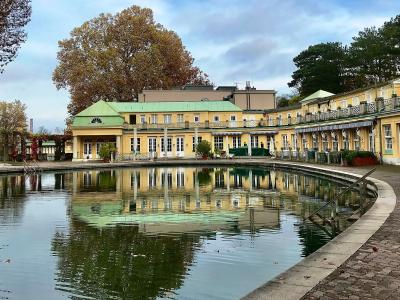
The thermal spa experience is a highlight for many visitors. The Thermalbad Vöslau features indoor and outdoor pools filled with mineral-rich water, offering relaxation and health benefits. The spa complex includes various treatments, saunas, and wellness facilities, making it a perfect destination for those seeking rejuvenation. In addition to the spa, Bad Vöslau is part of the 'Wine, Forest, and Water Hiking Arena,' a network of well-signposted trails that allow visitors to explore the region’s natural beauty. Cycling is also a popular activity, with routes winding through vineyards and along the Leitha River.
Getting to Bad Vöslau is convenient via public transportation. Regular train services connect the town to Vienna’s Südbahnhof, with the journey taking approximately 30-40 minutes. Buses also operate within the region, linking Bad Vöslau to nearby towns and attractions. For those driving, the town is easily accessible via the A2 motorway, with exits leading directly to the town center.
The best time to visit Bad Vöslau is from late spring to early autumn, particularly from May to September. During these months, the weather is warm and pleasant, ideal for hiking, cycling, and outdoor dining. The summer months are especially popular for wine festivals and outdoor events. Autumn is also a great time to visit, as the vineyards turn golden, and the harvest season offers opportunities to experience local wine culture firsthand. Winter visits are less common but offer a cozy atmosphere, with the thermal spa providing a warm retreat from the cold weather.
Best time to visit
Visit from May to September for warm weather ideal for hiking and wine festivals, or autumn for harvest experiences.
What to see in Bad Vöslau
Our picks first.
Bad Vöslau by interest
The same sights, grouped by what you came for.
Did you know?
Checked facts about Bad Vöslau, each with its source.
-
Food & Drink
Johann von Fries Brought the Portugieser Grape to Vöslau
In 1773 Baron Johann von Fries acquired the lordship of Vöslau and introduced the Blauer Portugieser red-wine grape to the town's vineyards.
Source: Gedächtnis des Landes (Lower Austria) -
Film & TV
Bad Vöslau Opened a Silent-Film Palace in 1925
In March 1925 the spa town of Bad Vöslau opened its Zentralkino, a grand silent-film cinema; Filmarchiv Austria holds footage of the opening night.
Source: Filmarchiv Austria
Planning a visit to Bad Vöslau
Itineraries that include Bad Vöslau
Good to know
- Currency
- EUR
- Language
- German
Quick Facts
Book your stay
Questions people ask
More places in Lower Austria
Lower Austria
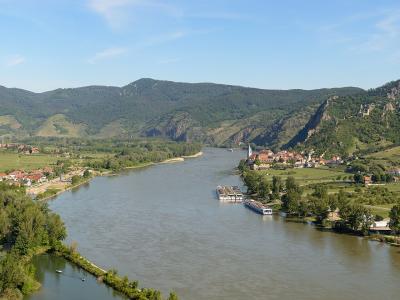
Wachau
UNESCO World Heritage Danube valley with vineyards and castles
Lower Austria
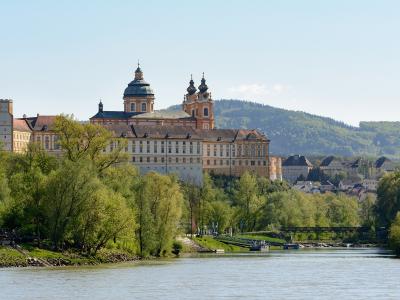
Melk
Baroque abbey overlooking the Danube in the Wachau Valley
Lower Austria
Dürnstein
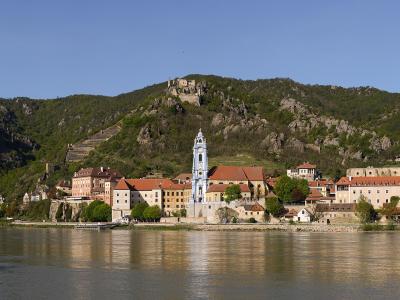
UNESCO Wachau village with blue church tower and castle ruins
Lower Austria
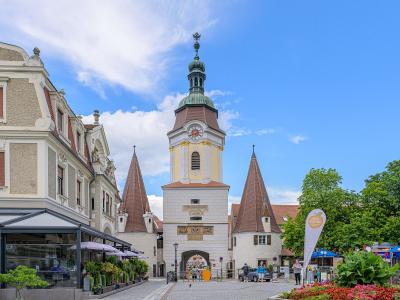
Krems an der Donau
Historic Wachau gateway city on the Danube with art and wine