Krems an der Donau
Historic Wachau gateway city on the Danube with art and wine
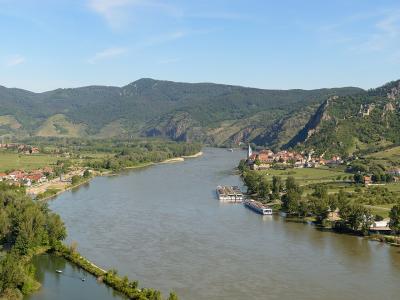
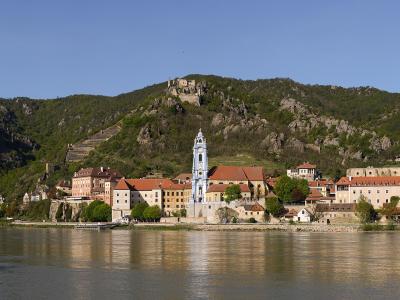
Krems lies about 70 kilometres west of Vienna, where the Krems river joins the Danube at the point where the broad Tulln basin gives way to the narrow Wachau Valley. The city includes the old market town of Stein, which was once a separate town with its own walls, and the two grew together along the river. Terraces of vines climb the slopes behind, and the Danube provides the long horizon in front. The place has been inhabited since prehistoric times, and the Venus of Willendorf, one of the most famous prehistoric figurines, was found nearby at Willendorf in the Wachau.
In the Middle Ages, Krems was among the oldest and most important towns in Austria. It had a mint, a Jewish community and a thriving wine trade, and it was granted town rights in the twelfth century. The Gozzoburg, a 13th-century castle in the old town, was built by the town judge Gozzo and is one of the most important secular medieval buildings in Austria, with a hall decorated with frescoes from the late thirteenth century. Over the following centuries, the town suffered periods of decline, including damage in the Thirty Years' War and during the Turkish invasions of the sixteenth and seventeenth centuries, which prompted rebuilding in Baroque style.
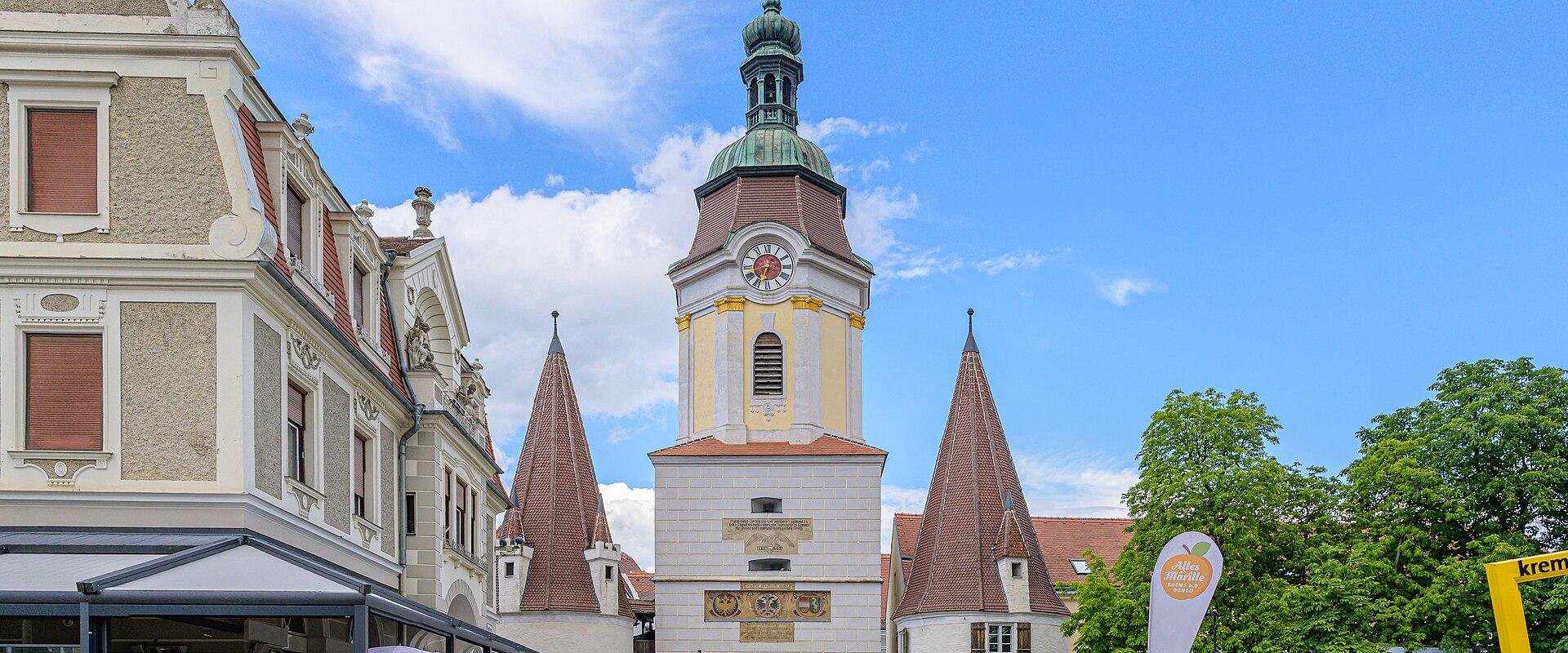
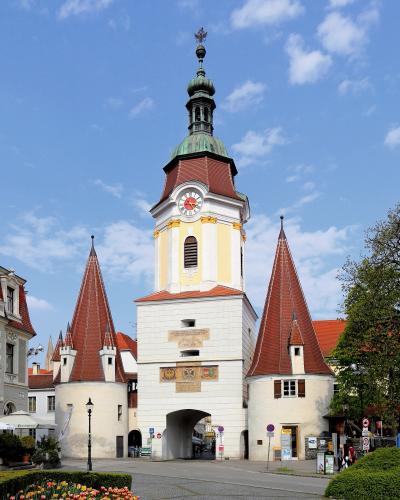
The Steiner Tor, the Stein Gate, is the town's best-known landmark; the Cathedral of St. Stephen is not far. It is a Gothic city gate of 1480 with a round tower and a steep roof, and it marks the entrance to the old town from the east. Beyond it, the Landstraße, a long pedestrian street, runs through Stein toward Krems, lined with arcaded houses, courtyards and small shops. The Town Hall, the Rathaus, and the Old Town of Krems have pastel façades, gables and decorative windows, and a number of churches stand within the town. The Piaristenkirche, a Baroque church, and the Dominican church, now a museum, are two of the most notable, and the Franciscan Church in Stein is another.
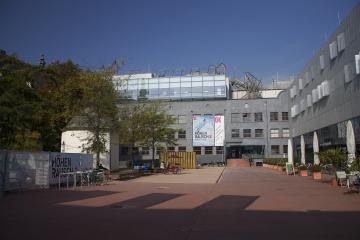
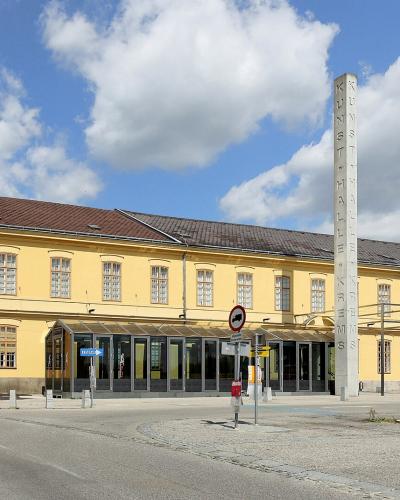
Art is the second theme. The Kunstmeile Krems, a cluster of cultural institutions in the old district known as the Museumsquartier, includes the Kunsthalle Krems, with changing exhibitions of international art, the Karikaturmuseum Krems, a museum devoted to caricature and satire, and the Landesgalerie Niederösterreich, a gallery whose building has a striking facade and which shows modern and contemporary art from Lower Austria. These make Krems a surprising stop for Modern art lovers, and the Kunsthalle and the Caricature Museum draw visitors from afar.
The Danube River Promenade offers views of the river and the vineyards, and the Donau, as it is called in German, sets the rhythm of town life, and boats from the landing stage connect with Dürnstein, Melk and other Wachau stops. The Danube Cycle Path runs through town, and rental bicycles are available. A university for continuing education gives the town a younger population.
Wine and food are central. The Wachau and the neighbouring Kremstal produce excellent white wines, especially Grüner Veltliner and Riesling, and Heuriger taverns in the old town and the surrounding villages offer tastings. The Wachau apricot, the Marille, appears in jam, schnapps and pastries, and in spring the orchards bloom. Local food is Lower Austrian: roast pork, dumplings and strudel. Events include a wine festival in the Wachau, a Jazz and world-music offering in summer, a Festival of music in June, and a Christmas market in the old town.
The best time to visit is from May to September for cycling, boats and wine. Spring brings blossom, and autumn brings harvest. Winters are cold, with a quiet Advent season.
Getting there is easy. Trains from Vienna, from Franz-Josefs-Bahnhof, reach Krems in about an hour, and buses and boats continue into the Wachau. By car, the S33 and A1 provide access to the area, and the drive from Vienna takes about an hour. The Danube Cycle Path makes cycling the best way to link Krems with Melk, about 35 kilometres upstream.
Best Time to Visit
Visit from mid-June to early September for warm weather ideal for wine tasting and cycling along the Danube.
Did you know?
Interesting, verified facts about Krems an der Donau
Krems an der Donau Has Another Verifiable Detail
HistoryKrems is known for its unique cultural institutions, including the Karikaturmuseum Krems (Caricature Museum) and the Landesgalerie Niederösterreich, which showcase modern and historical art.
Source: Landesgalerie Niederösterreich - WikipediaPlan Your Visit to Krems an der Donau
Essential travel tips and information for your trip to Krems an der Donau.
Suggested Itineraries
Discovering Krems an der Donau
1 dayOne-day exploration of historic Krems an der Donau
View ItineraryTravel Tips
Currency
EUR • Cards widely accepted
Language
German • English in tourist areas
WiFi
Free WiFi in cafes and hotels
Explore Krems an der Donau by Interest
Discover attractions and experiences in Krems an der Donau organized by your interests and travel preferences.

All attractions in Krems an der Donau
Sorted by our recommendation score
Quick Facts
Book your stay
Frequently Asked Questions
More destinations in Lower Austria
Explore other amazing places in the Lower Austria region