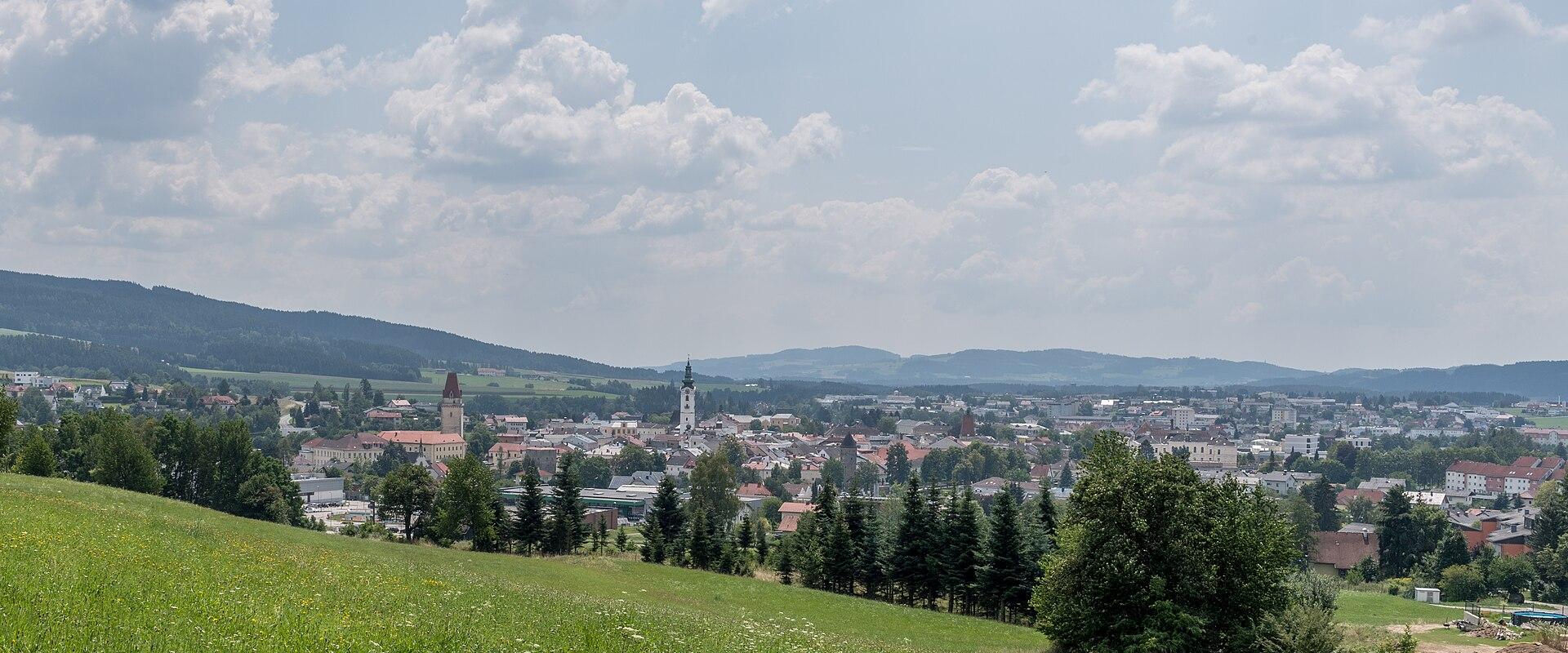
The Mühlviertel is the part of Upper Austria north of the Danube, a region of granite hills, forests and rolling farmland that was long considered a backwater. Freistadt is its most distinctive town. It was founded in the late twelfth or thirteenth century on a trade route that carried salt from the Salzkammergut north into Bohemia and brought back grain, cloth and other goods. The name means free town, a reference to the privileges granted by the dukes, and the town's wealth came from this position at the border.
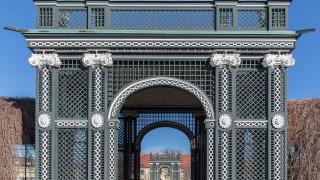
The best way to see Freistadt is to walk its walls. Unlike many Austrian towns that tore down their fortifications in the nineteenth century, Freistadt kept most of them. A double ring of walls, with a dry moat between, still encloses the old centre, and several towers survive. The two main gates, the Linztor on the south side and the Böhmertor to the north, are among the finest in the country. They were once the entrances for travellers from Linz and from Bohemia, and today they are the starting points for a circuit of the old town that takes less than an hour.
The main square, the Hauptplatz, is a large rectangle surrounded by tall gabled houses with arcades, oriel windows and painted façades. The shape reflects the town's planned origins, and the houses' narrow plots and deep courtyards show the work of merchant families. A fountain stands at the centre, and the square hosts markets and festivals during the year. The town hall and a series of old inns line the sides.
The Gothic parish church, the Pfarrkirche dedicated to Saint George, rises above the town's roofs. It has a large hall interior with rib vaulting and a tower visible across the countryside. The smaller Katharinenkirche, the Church of St. Catherine, is a late Gothic building with carved details and lies near the wall, and a short walk reaches the cemetery church and other chapels. These buildings are modest compared with a Salzburg or Vienna, but they are authentic and uncrowded.
Freistadt Castle, the Burg Freistadt, dates from the fourteenth century and forms the northern corner of the town's defences. Today it houses the Mühlviertler Schlossmuseum, which presents regional folk culture, including the traditional craft of glass painting behind glass, local costume and household goods. A climb to the castle tower rewards visitors with a view across the roofs and the hills toward the Czech border. Opening hours are seasonal.
Beer is a defining part of Freistadt's identity. The town has brewed for centuries, and the Freistädter brewery cooperative, the Braucommune, still produces beer in the town. A Beer Academy and visitor facilities explain the process, and local inns serve the beer alongside dishes such as roast pork, dumplings, sauerkraut and Mühlviertel specialities. Another local product is linen, once spun and woven in the region.
Outside the walls, the Mühlviertel countryside invites slow exploration. The Thurytal valley offers a quiet walk along a stream, and the gentle hills are suited to cycling, with marked routes across the border region. The Naturpark Mühlviertel, centred on the Rechberg area, protects granite outcrops and forests. Further out, small villages with castles and churches reward a drive, including the baroque Schloss Hagenberg, in the nearby village of the same name.
Another curiosity is the history of transport. The first horse-drawn railway on the European continent, the Pferdeeisenbahn between Budweis and Linz, opened in the 1830s and passed through Freistadt. A small section is preserved as a heritage line, and an exhibit in the area explains how it worked.
The best time to visit is from May to October. Summer is warm and the town has a number of outdoor events, while autumn brings colour to the forests and the quiet that follows the holiday season. Winters are cold and the town is lit well at Advent, when a small Christmas market takes place on the square. Freistadt is about 40 minutes from Linz by car or train, and about two hours from Vienna. Because it is small, it works best as a day trip or a one-night stay, perhaps combined with a trip over the border to České Budějovice.
What to see in Freistadt
Our picks first.
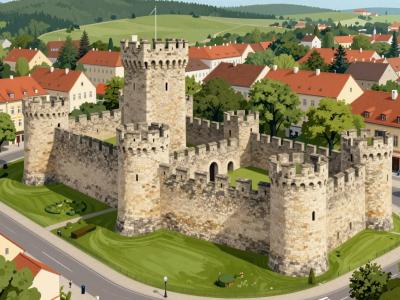
Freistadt Castle (Burg Freistadt)
14th-century fortress in Upper Austria's Mühlviertel
Fortifications · Local History
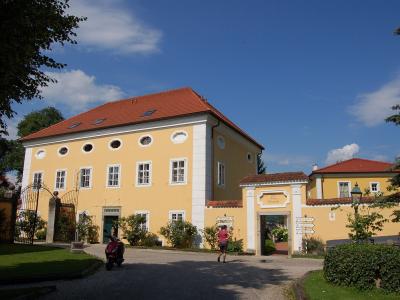
Schloss Mühldorf
13th-century castle housing the Mühlviertler Schlossmuseum
Cultural Venues · Historic Palaces
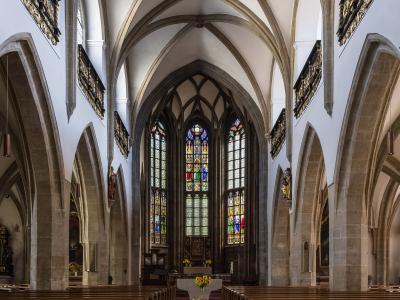
Gothic Cathedrals
13th-century Gothic Liebfrauenkirche in Freistadt
Architectural Highlights · Old Towns
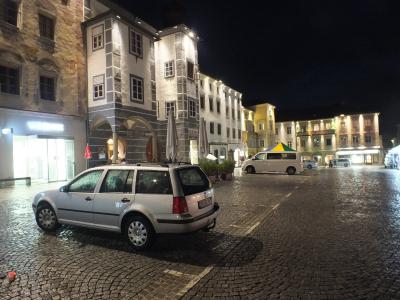
Freistadt Market Square (Marktplatz)
Renaissance market square with historic arcades
Old Towns · Public Squares
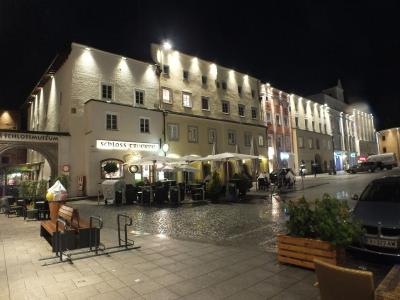
Museum of Upper Austrian Folklore
Freistadt Castle housing 17,000 regional folklore exhibits
Local History · Medieval Castles
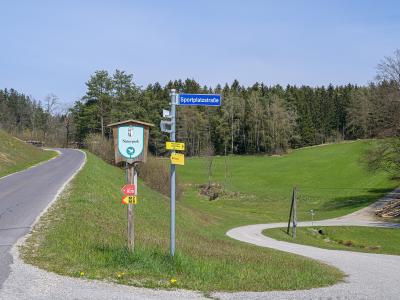
Naturpark Rechberg
Karst landscape with caves and forest
Free Natural Wonders · Local History
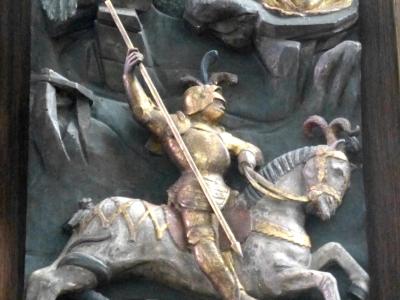
St. George's Parish Church (Pfarrkirche Freistadt)
13th-century Romanesque church in Freistadt
Architectural Highlights · Old Towns
Freistadt by interest
The same sights, grouped by what you came for.
Planning a visit to Freistadt
Good to know
- Currency
- EUR
- Language
- German
Quick Facts
Book your stay
Questions people ask
More places in Upper Austria
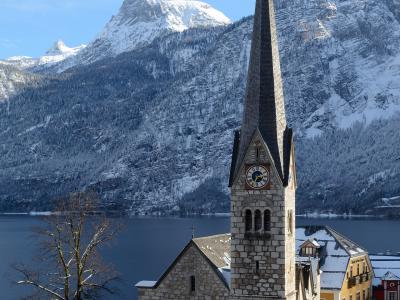
Upper Austria
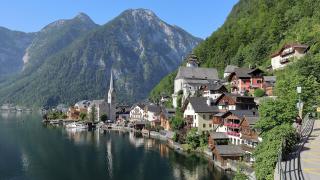
Hallstatt
UNESCO World Heritage village on Lake Hallstatt in the Alps
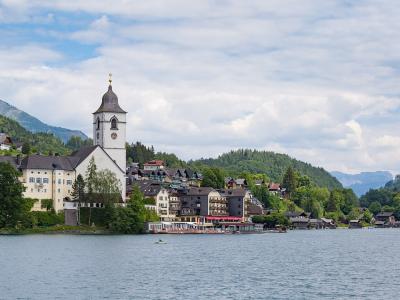
Upper Austria
St. Wolfgang
Lakeside town in the Salzkammergut region
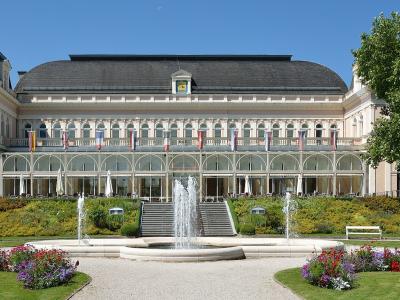
Upper Austria
Bad Ischl
Imperial spa town in the Salzkammergut with thermal baths
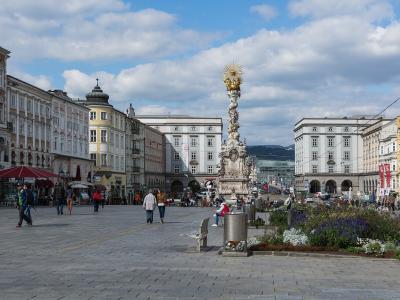
Upper Austria
Linz
Industrial capital of Upper Austria on the Danube River