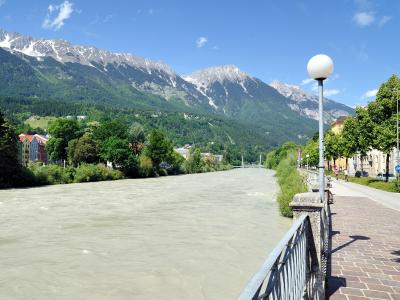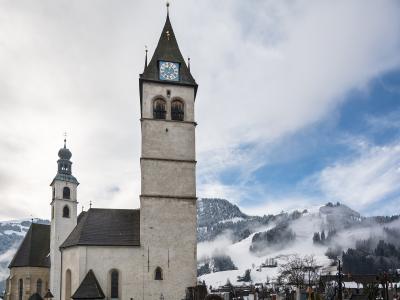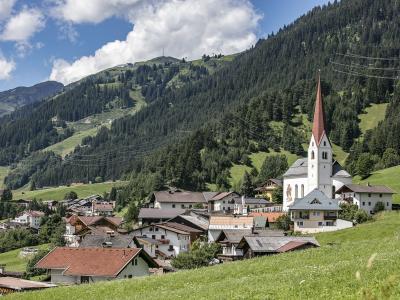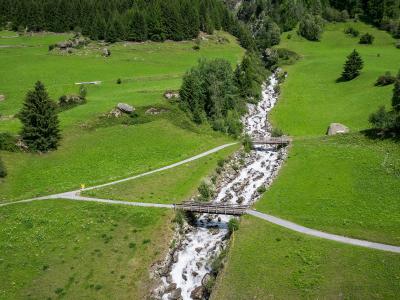
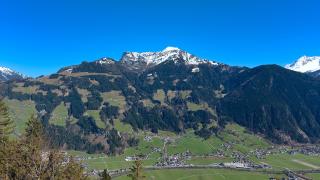
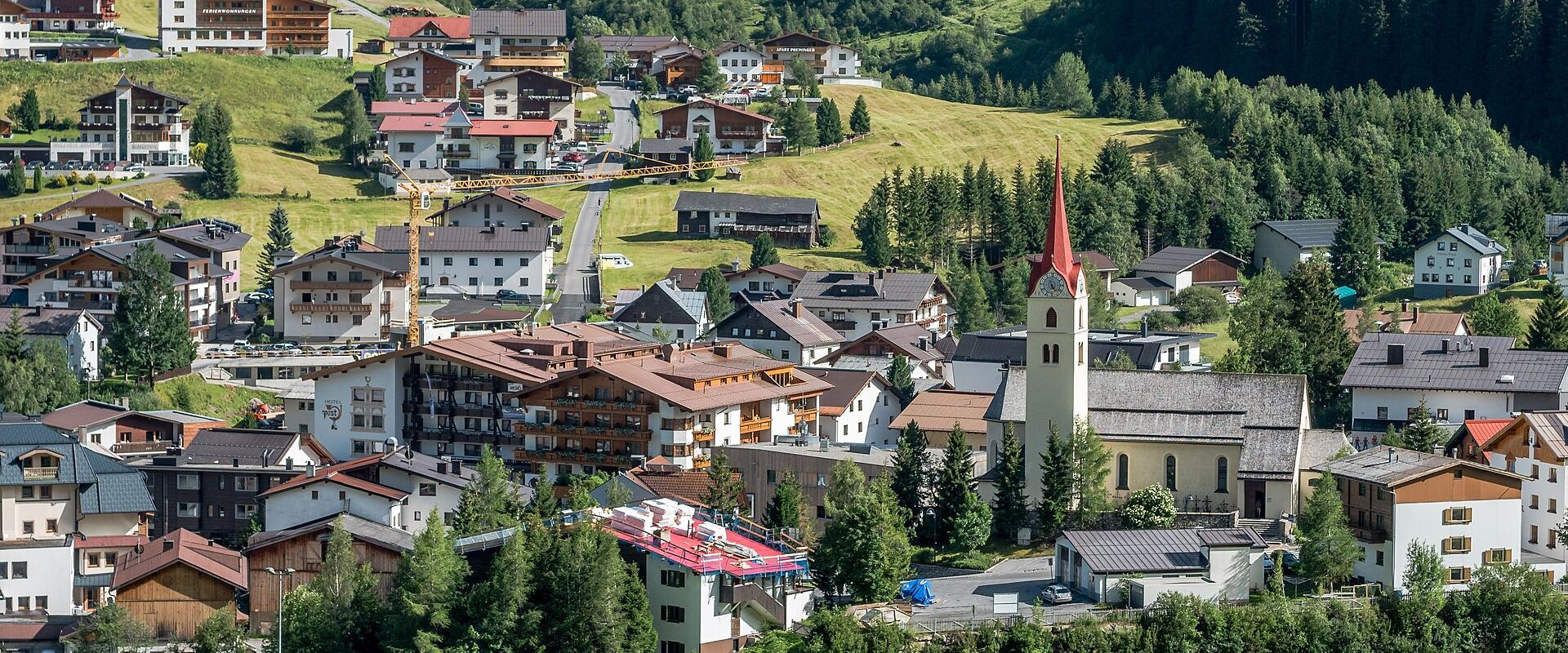
The Paznaun is a long, steep-sided valley running west to east from the Silvretta to the Inn at Landeck, and Galtür is its highest permanent settlement. The valley floor here is narrow, and the village is laid out along a single main street with older farmhouses, chalet-style guesthouses and a small centre around the church. Settlers from the Valais, known as Walsers, arrived in this part of the Alps in the Middle Ages and farmed high pastures that lowland communities did not use. Traces of that heritage remain in house forms, place names and the way the grazing land is still cut and worked in summer.
The most sobering chapter in recent history came on 23 February 1999, when a large avalanche destroyed several buildings in Galtür and killed thirty-one people. Heavy snowfall over several days had made the slopes above the village unstable, and the valley was cut off for a time. Since then, a long, high protective wall of concrete and earth has been built along the edge of the village, and the Alpinarium is built into it. The Alpinarium is both a memorial and a museum. It covers avalanche science, the history of life in the Silvretta and the experience of the 1999 disaster. It is a good rainy-day stop and an honest introduction to why mountain communities invest so heavily in safety.
Summer starts late at this altitude, and the high road usually opens only after the snow has cleared. The Silvretta high Alpine road, a toll road, climbs from the Paznaun side up to the Bielerhöhe, an open saddle at about 2,032 metres that marks the boundary between Tyrol and Vorarlberg. The road runs on down to Partenen in the Montafon, so it also connects the two valleys. On the pass, the Silvretta reservoir fills a wide basin with green water, and there is a restaurant, a hotel and a car park. A path follows the shore and other trails branch to Alpine huts and to the glaciated border ridge, where Piz Buin, at 3,312 metres, is the best-known summit. Experienced walkers use the Wiesbadener Hütte as a base for climbs. Shorter walks suit families: the circuit of the reservoir, or an out-and-back stroll to a viewpoint above the dam, will take no more than a couple of hours.
Winter is the other season. Galtür has a ski area known as Silvapark with runs of mixed difficulty and an extensive network of cross-country trails running up the valley. Ski touring in the Silvretta is serious mountaineering, and visitors without experience should go with a certified guide. Sledging runs, winter walking paths and the village's quiet evenings round out the offer. The village is smaller and calmer than Ischgl, so there is far less nightlife and far more silence.
When to go depends on what you want. July to September gives the best walking, with huts open and long daylight. Early October can be crisp and clear but many facilities close. The winter season generally runs from December until April, with the best snow in January to March. Rain can arrive quickly in summer afternoons, and temperatures on the Bielerhöhe are cool even in July, so bring layers.
Getting there is by road along the Paznaun valley road from Landeck, which is the main route in. Buses connect villages in the valley with Landeck station, which has train services on the Arlberg line. Driving over the Silvretta road from Vorarlberg is possible in summer, but the road is closed in winter and the toll must be paid at the gate. Galtür is a place for people who like mountains more than entertainment, with a small number of guesthouses and apartments, plus a few hotels.
Best time to visit
Late June to September for walking and the Silvretta road; December to April for skiing and cross-country trails.
What to see in Galtür
Our picks first.
Galtür by interest
The same sights, grouped by what you came for.
Planning a visit to Galtür
Good to know
- Currency
- EUR
- Language
- German