Imst
Adventure hub in Tyrol with gorge, coaster, and alpine trails
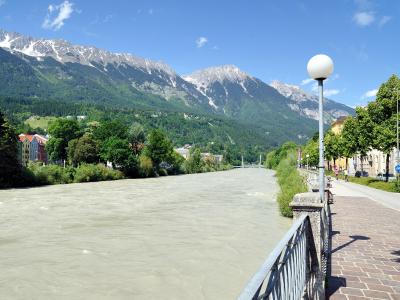
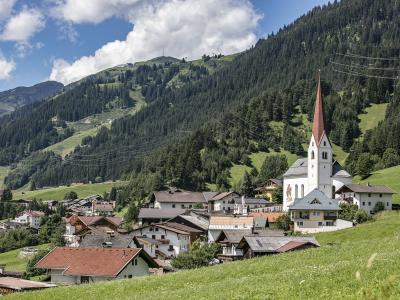
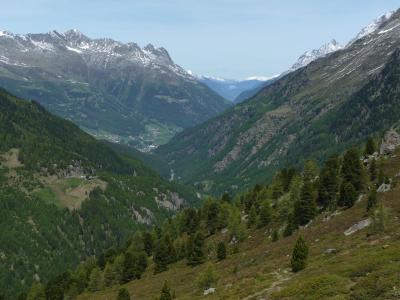
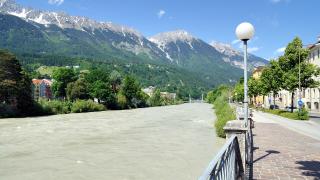
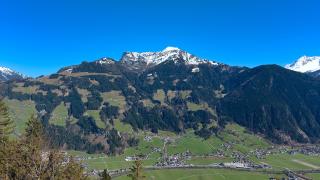
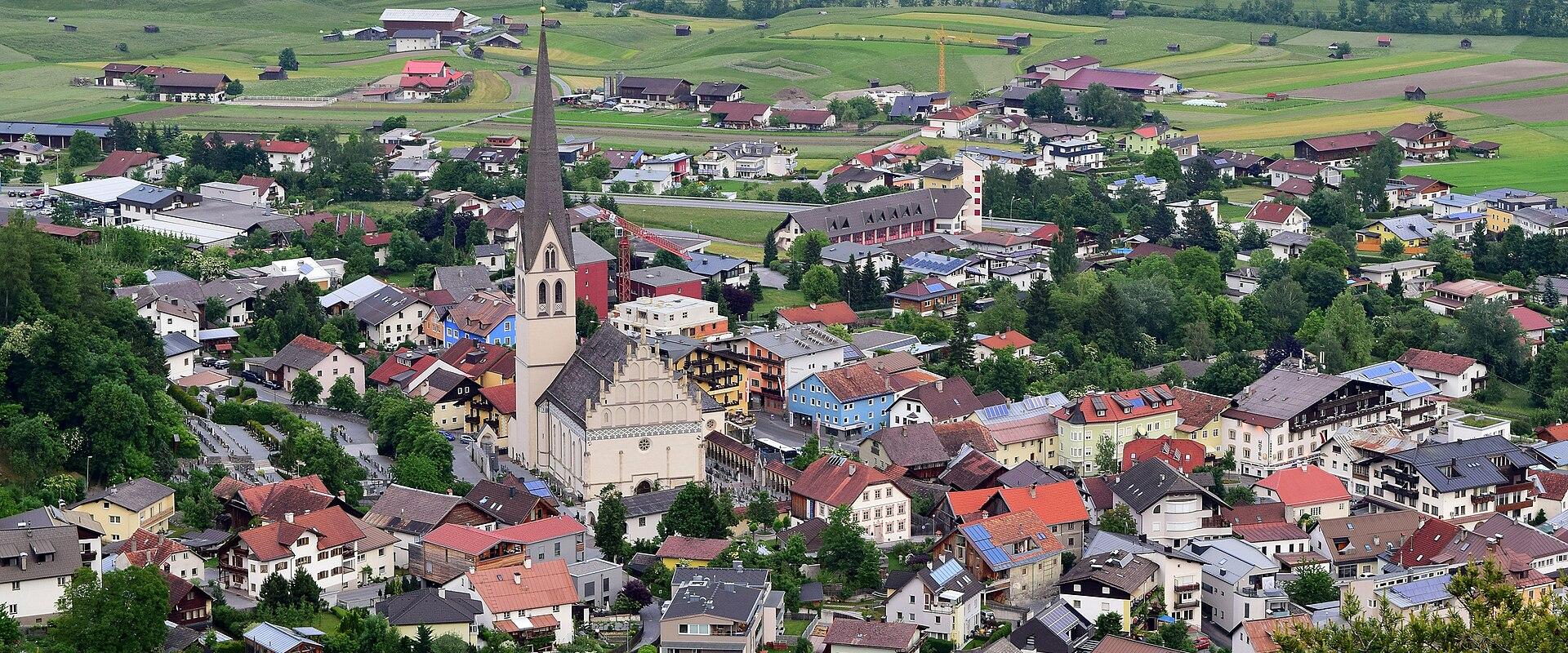
Imst lies on a terrace above the Inn in the Tyrolean Oberland, the upper part of the Inn Valley, about 50 kilometres west of Innsbruck, at an altitude of about 830 metres. The town lies at the foot of the Tschirgant, a limestone massif, and in sight of the Lechtal Alps to the north and the Ötztal Alps to the south. At this point the Inn River flows north-east, and the Ötztaler Ache, a glacial stream from the Ötztal, joins it a few kilometres upstream. The district of Imst, the Imst District, is one of the largest in the Tyrol, and the town is its centre.
The town has long been a crossroads. Roads lead from the Inn Valley to the Ötztal and Pitztal valleys, over the Fernpass to Germany and west toward the Arlberg. In the Middle Ages, Imst received market rights, around 1282, and grew prosperous through trade in timber, iron and salt, and through mining in the surrounding mountains. In the sixteenth century, it was known for its bird dealers, the Imster Vogelhändler, who travelled across Europe selling canaries, and for its textile merchants. The town was heavily damaged by a fire in 1822 and was rebuilt in a style that kept its character.
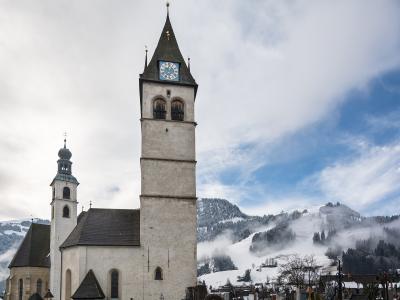
The old town, the Oberstadt, is compact and pleasant. Narrow streets lead to squares with fountains, and many houses are decorated with paintings and have oriel windows, carved doors and wrought-iron signs. The Gothic Parish Church, dedicated to the Assumption of Mary, has a spire that is among the tallest in Tyrol, and its interior has Baroque altars. The Town Hall and the old inns around the main square add to the effect, and a small museum, the Museum im Ballhaus, presents local history. The walk through the old town takes about an hour.
The Imster Fasnacht, the carnival, is the best-known cultural event. Every four years, usually in late winter, hundreds of masked figures, the Schemenlaufen, walk through the town in a traditional procession with carved wooden masks and costumes, accompanied by bells and music. It is on the UNESCO list of intangible cultural heritage in Austria, a Carnival that has little to do with the tourism of Mardi Gras and everything to do with local ritual. Other festivals in the town include a Festival of folk culture with music and dance, the Folklore events of the Oberland, and concerts in summer.
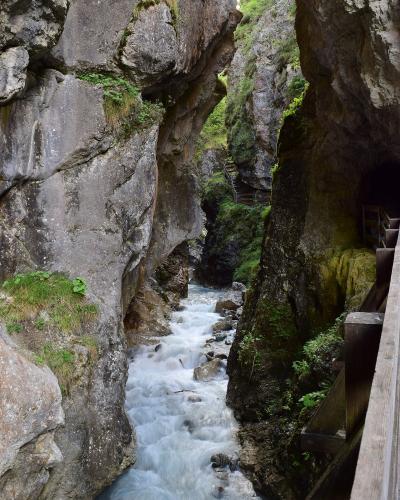
Outdoors, Imst is a major adventure base. The Rosengartenschlucht, the Rose Garden Gorge, starts almost in the town and has a walkway through a narrow canyon of rock with waterfalls and bridges, a short and dramatic walk of about an hour that is suitable for families. A rose garden in the town gives the name its charm. The Alpine Coaster at the Untermarkter Alm, a toboggan run through the forest on rails, is among the longest in Europe. Rafting and canyoning take place on the Ötztaler Ache and other streams, mountain biking trails are extensive, and walking paths range from valley routes to alpine ascents. Further out, the Fernsteinsee, a small turquoise lake by the Fernpass road with a ruined castle, is a pleasant stop, and the Imst-Gurgltal region, with its gorge and moors, listed as Imst-Gurgltal, offers quieter walks.
In winter, Imst is a base for the Hoch-Imst and Venet ski areas and, within an hour, the Arlberg region. The Ski areas near the town are mostly family-oriented, while the Pitztal glacier and the Ötztal resorts offer high-altitude skiing.
Food is Tyrolean. Käsespätzle, cheese noodles with fried onions, Tiroler Gröstl, a pan of potatoes and bacon, and Kaiserschmarrn are the staples, and farms in the area sell cheese and bacon. The Imster cuisine has a few traditional dishes of its own, and local inns serve beer from Tyrolean breweries.
The best time to visit is from June to September, with August the warmest, for walking, rafting and the coaster, with the Carnival in February and the skiing season from December to March. May and October are quiet.
Getting there is easy. Imst-Pitztal station is on the Arlberg railway between Innsbruck and Landeck, with trains from Innsbruck in about 45 minutes and from Zurich in about three and a half hours, with a change at Bregenz or Buchs, and the station is a short bus ride from the centre. By car, the S16 expressway and the Inntal Autobahn, the A12, connect the town with Innsbruck, about 50 kilometres east, and the Fern Pass road leads north to Germany, with Munich about two and a half hours away. Local buses serve the valley and the ski areas.
Best Time to Visit
Visit from June to September for warm weather ideal for hiking, rafting, and canyoning.
Plan Your Visit to Imst
Essential travel tips and information for your trip to Imst.
Suggested Itineraries
Travel Tips
Currency
EUR • Cards widely accepted
Language
German • English in tourist areas
WiFi
Free WiFi in cafes and hotels
Explore Imst by Interest
Discover attractions and experiences in Imst organized by your interests and travel preferences.
All attractions in Imst
Sorted by our recommendation score
Quick Facts
Book your stay
Frequently Asked Questions
More destinations in Tyrol
Explore other amazing places in the Tyrol region