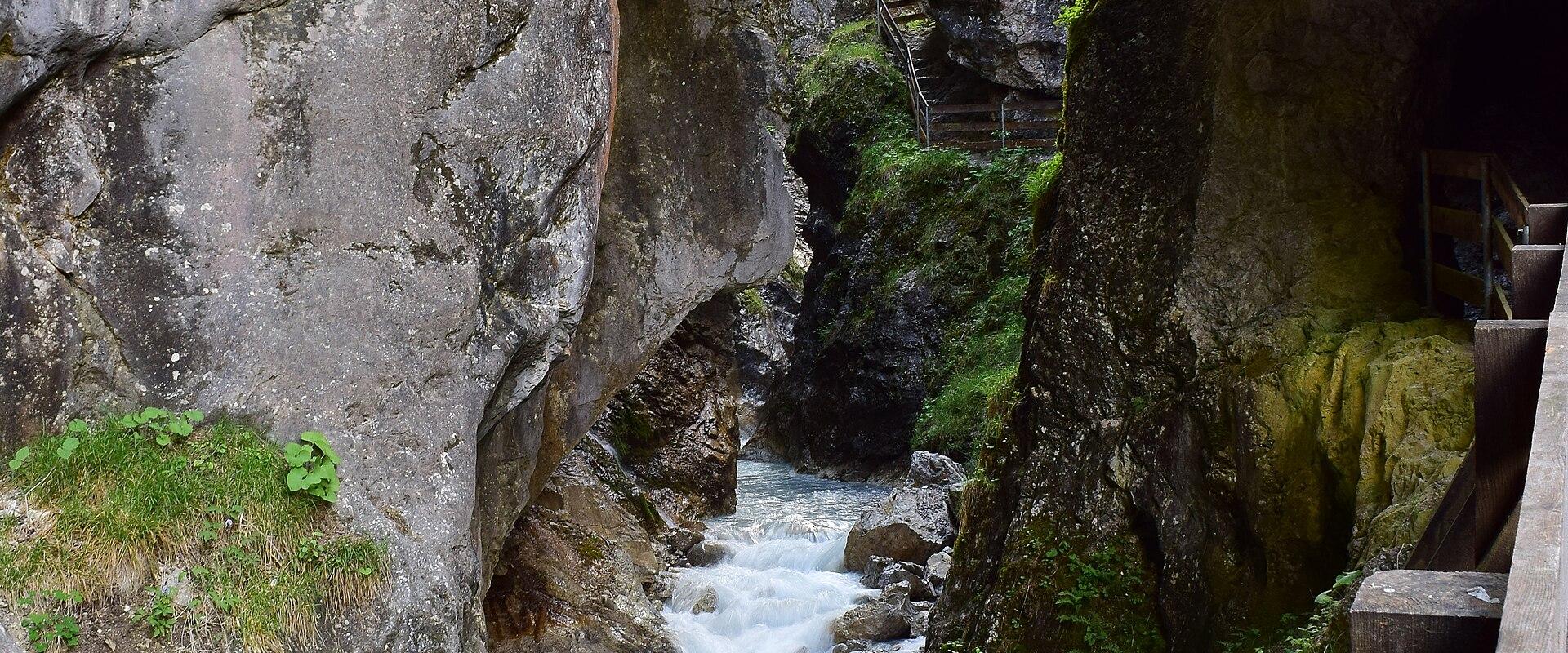
Rosengartlschlucht
1.5km gorge with Roman mining tunnel in Imst
- Admission
- Free entry
- Hours
- Open daily from mid-May to October (weather-dependent); Open all day; Open 24/7 year-round
- Where
- Imst, Tyrol
- Directions
- Directions
The Rosengartlschlucht is a short, steep gorge on the edge of Imst, the town in the Tyrolean Oberland, and it can be reached on foot from the town centre in about five minutes. The Schinderbach stream has cut a deep, narrow channel through the rock here, and a path with steps, bridges and walkways follows it for about one and a half kilometres, dropping some two hundred and fifty metres in height. The walk is a pleasant half-day outing that combines scenery, geology and local history, and it is one of the best-known natural attractions of Imst.
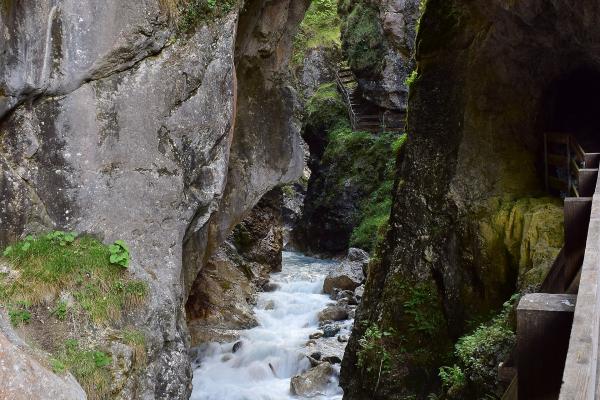
The rock is the first thing to notice. The gorge is cut into reef limestone formed in the Triassic period, more than two hundred million years ago, when this part of the Alps lay beneath a warm sea and corals and other organisms built reefs. Today the limestone is exposed in pale cliffs and polished walls, and information boards along the path explain the formation and its fossils. Water has carved potholes, smoothed channels and small cascades into the rock, and the sound of the stream accompanies the walk. In places the gorge is so narrow that the walls seem to close overhead, and the air is cool and damp.
The name comes from the alpine rose, a small evergreen shrub that grows widely on the slopes of the Alps and covers the sides of the gorge. In June and July, its clusters of deep pink flowers bloom in large numbers, and they give the ravine bright colour against the grey rock and dark spruce. The scene is at its best at this time of year, and the contrast of flowers and stone has made the ravine famous locally. Other plants, mosses and ferns thrive in the moist microclimate.
History also left traces here. The gorge was used in the past for mining and for harnessing water power, and an old mining tunnel, traditionally called Roman, can still be seen, a reminder that people have exploited the mineral wealth of the mountains for a very long time. Imst is also known for its spectacular carnival tradition, the Schemenlaufen, in which masked figures parade through the town, a custom recognised by UNESCO as intangible cultural heritage.
The path is self-guided and gives walkers freedom to move at their own pace. Wear sturdy shoes with good grip, as steps can be slippery, and avoid the gorge after heavy rain. The nearest car park is in the town centre. The gorge suits families, nature lovers and photographers.
Categories
More photos coming soon
Hours & Fees
- Open
- Open daily from mid-May to October (weather-dependent); Open all day; Open 24/7 year-round
- Admission
- Free entry
Hours and prices change, especially out of season. Check with the venue before you go.
Nearby Attractions
Closest attractions by distance
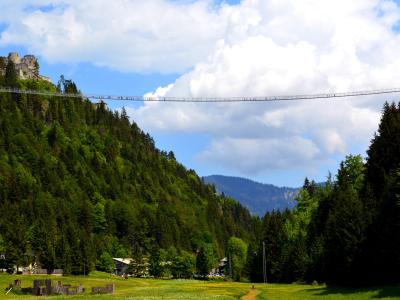
Highline179 Bridge
World's longest Tibetan-style suspension bridge
From €6 Fortifications · Historic Bridges
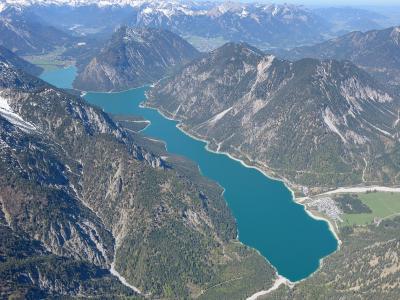
Plansee Lake
Tyrol's second-largest crystal-clear alpine lake
Free Alpine Lakes · Water Sports
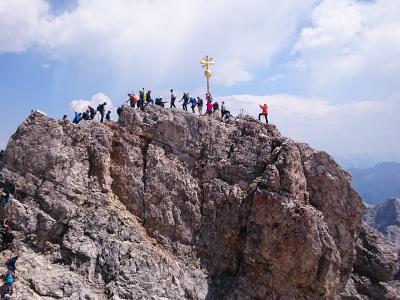
Zugspitze
Highest peak in Germany, bordering Austria
Adventure & Activities · Natural Wonders
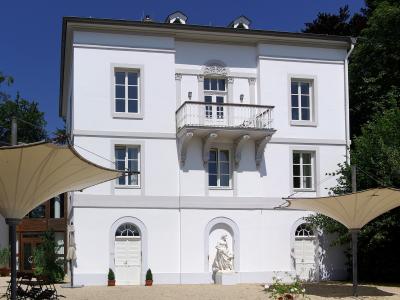
St. Anton Am Arlberg Ski Museum
Ski history in historic Villa Trier
Historic Railways · Local History
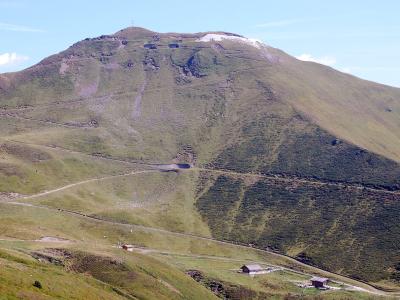
Kreuzjoch
High-altitude pass and ski area in the Tyrolean Alps
Free Mountain Hiking · Ski Resorts
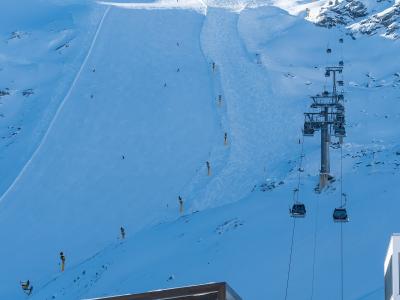
Rettenbach Glacier
Steep glacier slopes and Austria's longest ski run
Glacial Caves · Mountain Hiking
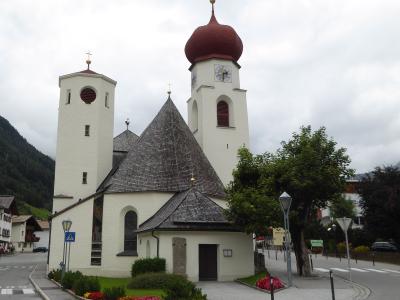
St. Anton Church (St. Antonius)
Baroque church in St. Anton am Arlberg
Architectural Highlights · Religious Sites
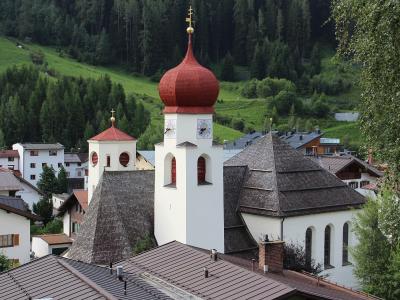
St. Antönien Church (St. Antonius Church)
Baroque parish church in St. Anton, Tyrol
Architectural Highlights · Religious Sites
Questions people ask
Quick Facts
Best Time to Visit
Visit from June to September for warm weather ideal for hiking, rafting, and canyoning.