Maria Taferl
Baroque pilgrimage church overlooking the Danube in Wachau
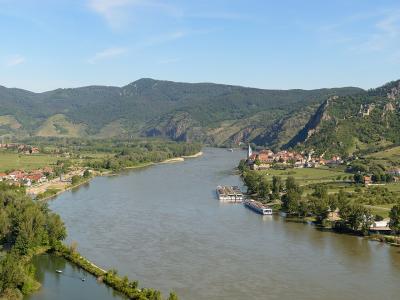
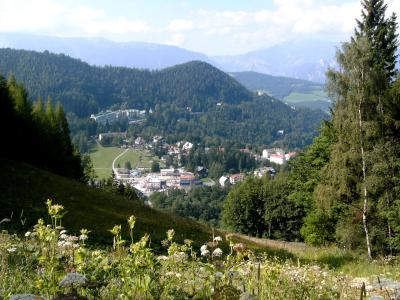
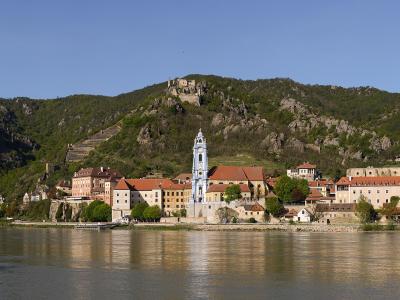
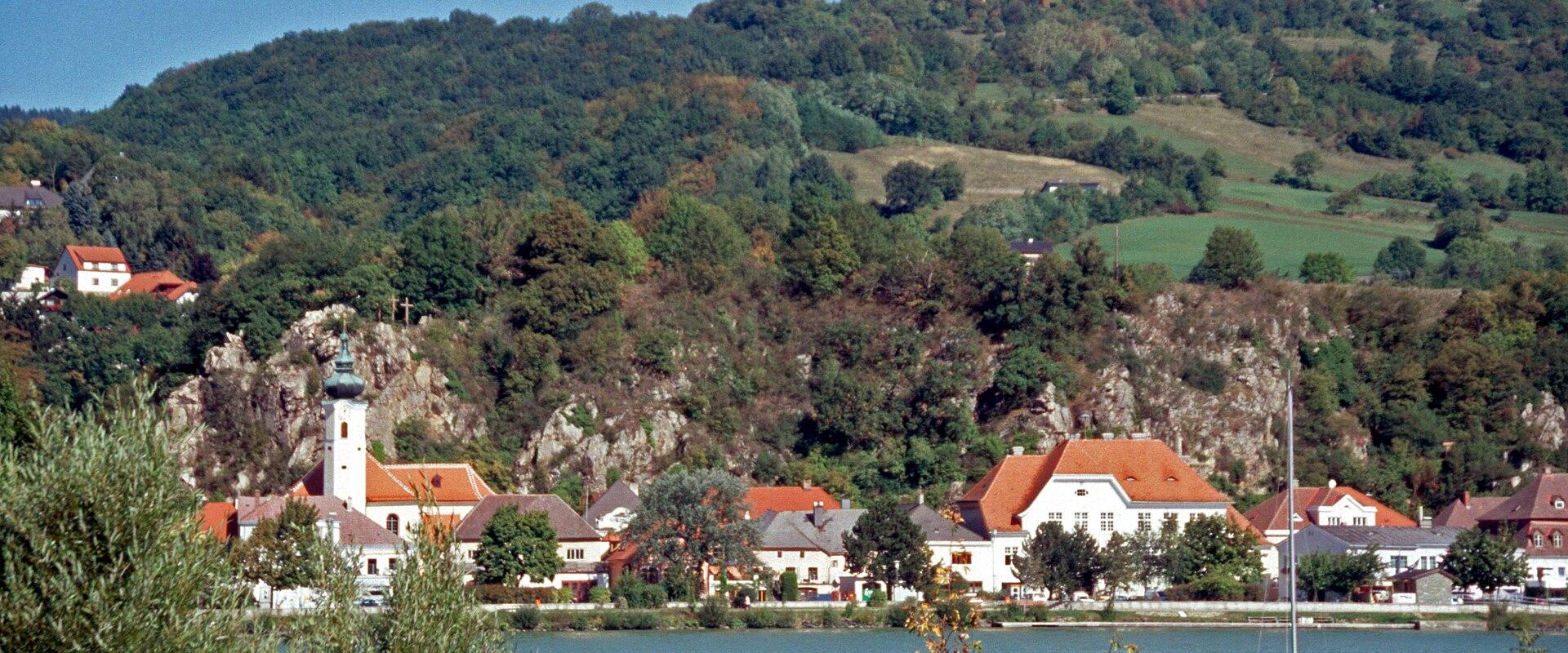
Maria Taferl stands on a hill above the Danube, in the western part of Lower Austria, almost opposite the town of Persenbeug. The Danube River valley here widens after the narrow Wachau Valley section, and the village's position at roughly 443 metres gives it long views along the river and across the slopes of the Waldviertel and the Dunkelsteinerwald. On clear days, the Alps can be made out to the south. The surroundings are rural, with orchards, vineyards, forest and small farms.
The history of the place is that of a pilgrimage. Local tradition, as recorded in the seventeenth century, tells of a herdsman who in 1633 carved an image of the Virgin Mary into an oak tree and of healings that followed. Some accounts tell it with a farmer named Hans Georg Hagen who found a wooden statue of the Virgin Mary in 1644, and the sources differ on the details. A chapel was built, and as pilgrims arrived in growing numbers, the decision was made to build a much larger church. In 1666 the Benedictine Abbey of Melk, which administered the site, took part in the construction of the church. The building is attributed to the architect Giovanni Pietro Tencalla, with later work by other Baroque masters including Jakob Prandtauer, and it was finished in the early eighteenth century. This was the era of the Counter-Reformation, when Catholic pilgrimage sites received strong support from the Habsburgs.
The Pilgrimage Church, as the Basilica is also called, is the reason to come. The village sits in the Melk District, near the Wachau Cultural Landscape, a UNESCO World Heritage Site. Its interior is a rich, light-filled Baroque space with a central dome, ceiling frescoes, stucco and several altars, and it is built around the place where the original tree stood. The Gnadenaltar, the altar of grace, holds a Pietà, a sculpture of the Virgin Mary with the dead Christ, and candles burn in front of it. The dome and the tower offer views of the Danube valley, and from the terrace in front of the church you can look out over the river toward the Waldviertel. Outside the pilgrimage season, the church is often quiet enough for a calm visit.
Activities in the village still follow the pilgrimage calendar. Groups arrive on foot, by bus and by bicycle, especially on the major Marian feast days and on weekends in summer, and the pilgrimage feast in September and the processions of the summer months draw crowds. Shops near the church sell candles, rosaries, small statues and religious books, and village inns serve pilgrims. Visitors who are not religious can still appreciate the atmosphere and the architecture.
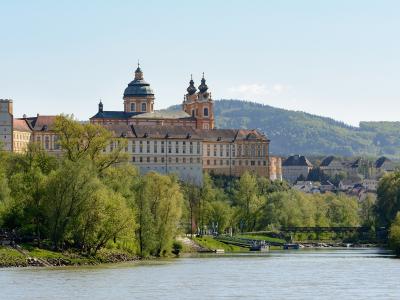
The surroundings are good for gentle outdoor activity. Marked trails run through woods and meadows, with viewpoints over the Danube, and cyclists can use the Danube cycle path along the river below, riding down to Persenbeug or Marbach and returning by a longer hill route. The nearby town of Melk, with its famous abbey, lies about 20 minutes away by car, and Krems is further east. A boat connection along the river is available in season from nearby towns, allowing a day trip that combines the pilgrimage church with a Danube cruise.
Wine is part of the local culture. The slopes of the Danube valley, in the Wachau and neighbouring areas, produce Grüner Veltliner and Riesling, and Heuriger taverns, with a green branch hung out to show that the new wine is being served, offer tastings with cold meats, bread and spreads. In the village itself, inns serve traditional Austrian dishes such as schnitzel, dumplings, roast pork and apricot desserts, since apricots are a speciality of the region.
The best time to visit is from May to September, when the weather is mild and the views are clear. July is a warm month, and September has mist and golden light over the river. Spring brings blossom in the orchards, and autumn brings the wine harvest. Winters are quiet and cold, and some businesses close.
Getting there requires some planning. A bus runs from Melk and Krems, with services that connect to the main towns of the region, though they are infrequent. By car, the A1 motorway leads to Melk, from where a country road climbs to the village. The nearest railway station is in Pöchlarn or Melk, on the main line between Vienna and Salzburg. Vienna is about an hour and a half away by car.
Best Time to Visit
Visit from May to September for mild weather ideal for hiking, wine tasting, and exploring the Baroque church.
Did you know?
Interesting, verified facts about Maria Taferl
Maria Taferl Has UNESCO-Linked Heritage
RecordThe village is part of the UNESCO World Heritage-listed Wachau Cultural Landscape.
Source: Maria Taferl - WikipediaPlan Your Visit to Maria Taferl
Essential travel tips and information for your trip to Maria Taferl.
Suggested Itineraries
Travel Tips
Currency
EUR • Cards widely accepted
Language
German • English in tourist areas
WiFi
Free WiFi in cafes and hotels
Explore Maria Taferl by Interest
Discover attractions and experiences in Maria Taferl organized by your interests and travel preferences.
All attractions in Maria Taferl
Sorted by our recommendation score
Quick Facts
Book your stay
Frequently Asked Questions
More destinations in Lower Austria
Explore other amazing places in the Lower Austria region