Perchtoldsdorf
Historic wine village south of Vienna with castle and trails
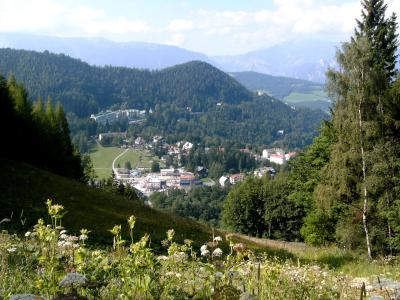
Perchtoldsdorf, in Austria, lies in the Mödling District of Lower Austria on the south-western edge of Vienna, at the foot of the Föhrenberge, the pine-covered ridge that forms the first Alpine foothills south of the city. The town, with its roots in the Middle Ages, has about 15,000 residents and counts as a suburb in practice, but it has kept a distinct centre with a market square, a church, a tower and a long main street. Over the centuries, it was a wine-growing village, and vines still grow on its slopes.
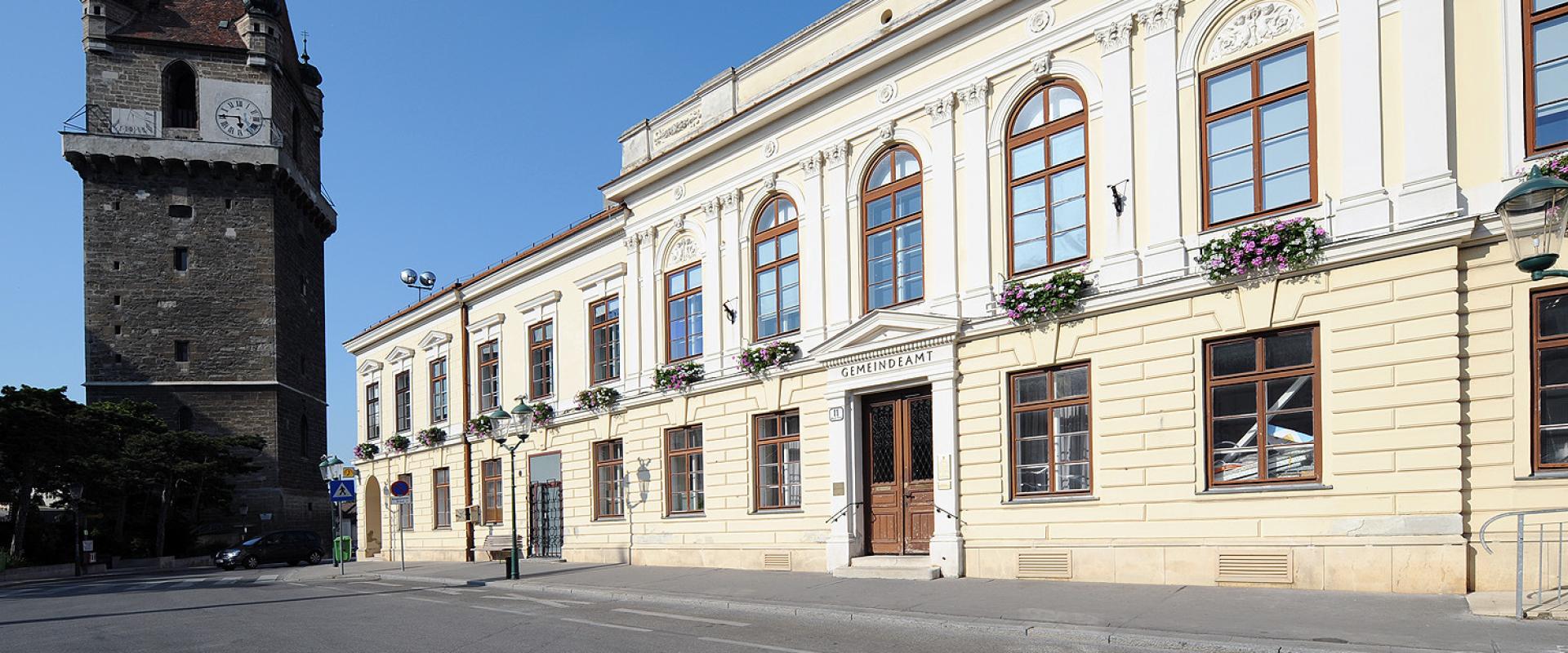
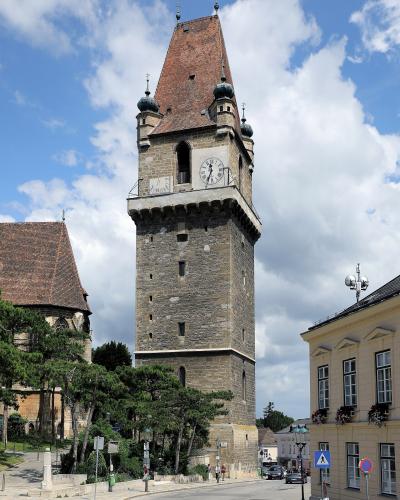
The history reaches back to the Middle Ages and is entwined with the Turkish wars. In 1529, during the first Ottoman siege of Vienna, the town was devastated, and in 1683, during the second siege, the Ottoman army and its Tatar allies attacked again. The inhabitants sought refuge in the defence tower, the Wehrturm, which was set on fire and stormed, and many of the villagers died. The Ottoman sieges led to the construction of fortifications, and the tower, a high and massive building with a pointed roof, remains the symbol of the town. A visit to its interior, when it is open, gives views over the roofs and the church.
The market square, the Marktplatz, is the town's centre, with a plague column, a fountain, colourful houses and the entrance to the tower. Around it lie the Pfarrkirche St. Augustin, a parish church with a Gothic core and Baroque features, and a number of old houses with courtyards and arcades. The Rathaus, in an old building, and a small museum of local history complete the sights, and the pedestrian lanes are pleasant for a short walk. The Viennese poet and composer connections are strong: the composer Hugo Wolf lived and worked in Perchtoldsdorf, and the Hugo Wolf Haus there is a small memorial museum. Some guides print Windischgarsten as his birthplace, but he was born in Windischgraz, today Slovenj Gradec in Slovenia.
Wine is a daily pleasure. Perchtoldsdorf is part of the Thermenregion wine area, whose growers produce white wines such as Grüner Veltliner, Riesling, Rotgipfler and Zierfandler and some reds. The Heuriger taverns, which sell the growers' own new wine under a green branch, are scattered through the town, with tables in courtyards and gardens, and they serve cold platters, bread, cheese and spreads. Opening days are posted on signs, so check before going. In September and October, new wine and harvest festivals appear.
The countryside begins just beyond the houses. The Perchtoldsdorfer Heide, a protected heathland of dry meadows with rare plants and views over Vienna, is crossed by marked trails, and the Föhrenberge woods lead toward Kaltenleutgeben, Hinterbrühl and the Anninger. Cycling and walking routes connect with the wider Vienna Woods, and the whole area is a popular day out for Viennese. The Vienna's Schönbrunn Palace, a short ride away by train and underground, can be combined with a day in the town, although most visitors choose one or the other.
Food is Lower Austrian and Viennese: schnitzel, roast pork, Tafelspitz, sausages and strudel. Cafes around the square serve coffee and cake, and local bakeries sell pretzels and sweet pastries. Seasonal events include a wine festival in summer, a Christmas market in Advent and a long-standing carnival tradition.
The best time to visit is from May to October, when the weather is mild and the Heuriger gardens are open. June and July are warm, and September has harvest colour. Winter is quiet, but the Advent market makes the square pleasant.
Getting there is easy. The S-Bahn, the Vienna suburban rail, serves the area from Vienna's Meidling and Südbahnhof stations, with a journey of about 25 to 30 minutes, and buses link the station with the town centre. By car, the A21 and A2 motorways reach the district, with the town about 20 minutes from central Vienna, and parking near the square is limited. Many visitors walk from the station or from neighbouring Mödling, along the edge of the woods.
Best Time to Visit
Visit from mid-June to early September for warm weather ideal for wine tasting and hiking in the Vienna Woods.
Did you know?
Interesting, verified facts about Perchtoldsdorf
Perchtoldsdorf Has a Wine Tradition
Food & DrinkKnown locally as 'Petersdorf,' it is renowned for its vibrant wine culture, colorful architecture, and scenic hiking trails in the surrounding Föhrenberge hills.
Source: Naturpark Föhrenberg Hike - EU Active networkPerchtoldsdorf Has a Wine Tradition
Food & DrinkThe atmosphere is relaxed and community-oriented, characterized by traditional wine taverns (Heuriger), well-preserved historic buildings, and a strong connection to the land.
Source: Perchtoldsdorf - WikipediaPlan Your Visit to Perchtoldsdorf
Essential travel tips and information for your trip to Perchtoldsdorf.
Suggested Itineraries
Travel Tips
Currency
EUR • Cards widely accepted
Language
German • English in tourist areas
WiFi
Free WiFi in cafes and hotels
Explore Perchtoldsdorf by Interest
Discover attractions and experiences in Perchtoldsdorf organized by your interests and travel preferences.
All attractions in Perchtoldsdorf
Sorted by our recommendation score
Quick Facts
Book your stay
Frequently Asked Questions
More destinations in Lower Austria
Explore other amazing places in the Lower Austria region