Retz
Medieval town in Lower Austria's Weinviertel
Retz sits in the far northwest of the Weinviertel, the wine quarter of Lower Austria, close to the border with the Czech Republic. The terrain is soft and open, with long rows of vines on the slopes, wheat fields and small villages, and the climate is dry and sunny, which suits white grapes. The town lies a short distance from the Thaya River, which forms part of the border, and from the Thayatal National Park to the north, one of the smallest and most valued national parks in Austria.
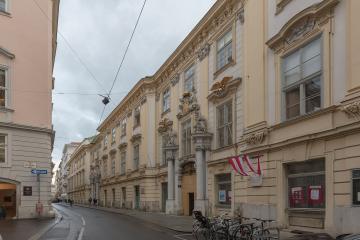
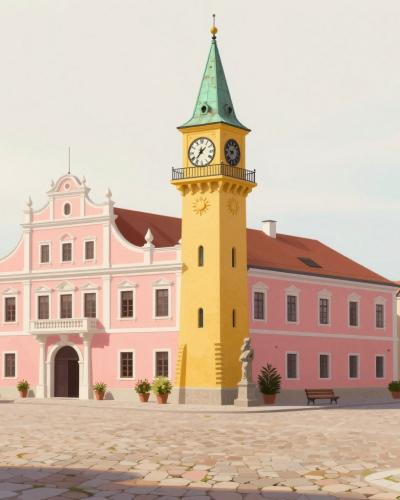
The first thing most visitors notice is the Hauptplatz, the main square. It is a wide, long space, one of the largest in the country, framed by tall houses with arcades and decorated façades dating from the Renaissance and Baroque periods. The town hall with its tower stands in the middle, and a fountain complete the picture. Cafes put tables out in summer, and the space is used for markets and festivals. Walking around it, you can see how wealthy wine merchants and traders made their mark.
Beneath the square lies a second Retz. The town sits on loess, a soft yellow soil that is easy to dig, and generations of residents excavated cellars for wine, which stay cool and humid all year. Over time the cellars were connected, creating a labyrinth of passages about 20 kilometres long on several levels. They also served as shelters in times of war. A guided tour, the Erlebniskeller, leads visitors through part of the system, explaining wine storage, brewing and history. The temperature below ground is cool, so bring a jacket. Opening times depend on season.
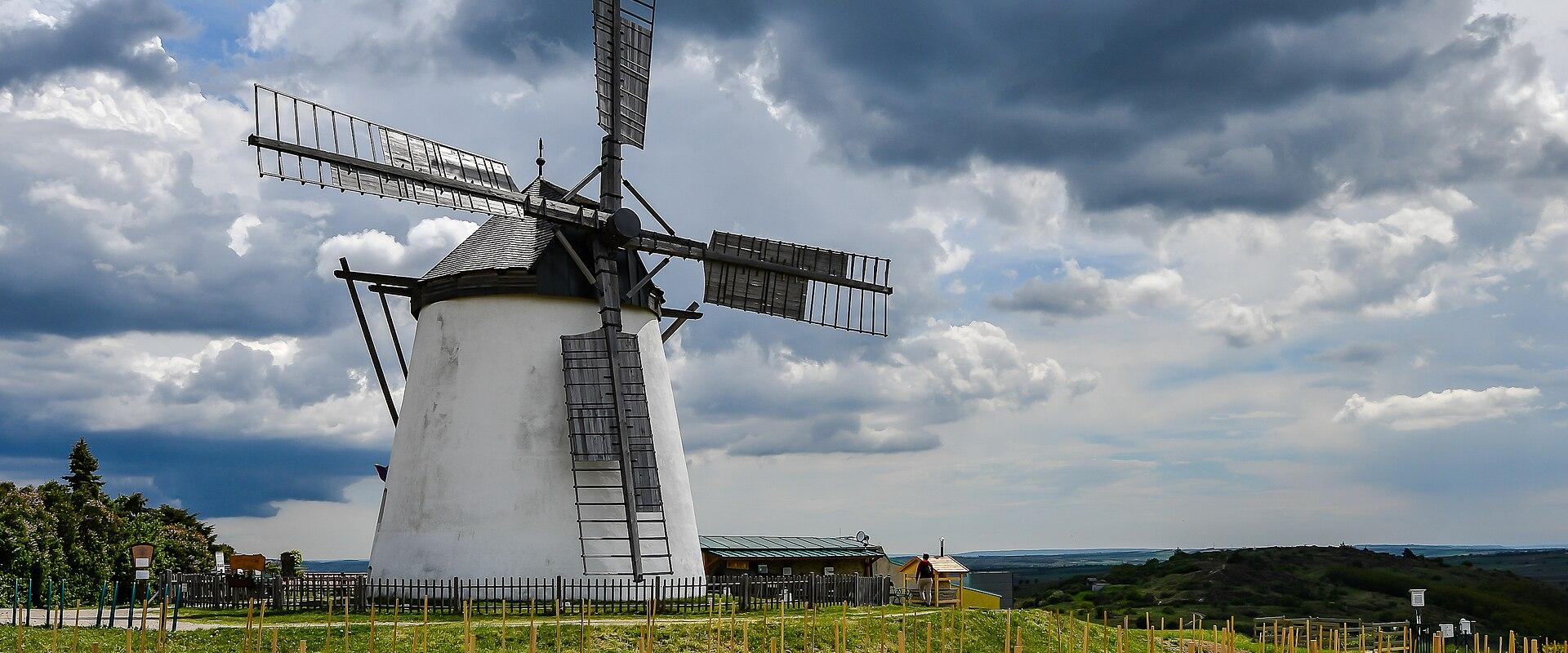
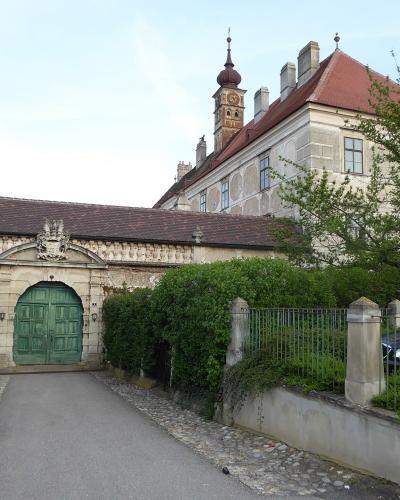
Above the town roofs rises a historic windmill, built in the eighteenth century and preserved as a landmark and small museum. Its sails still turn on some days, and the surrounding hill gives a view over vineyards. Other landmarks include the parish church of St. Stephen, the Pfarrkirche St. Stephan, a large church with Gothic origins; the former Dominican monastery, whose church and cloister date from the Middle Ages; and Schloss Retz, a castle that is now used for cultural events and municipal functions. The town walls and gates, parts of which survive, recall its fortified past.
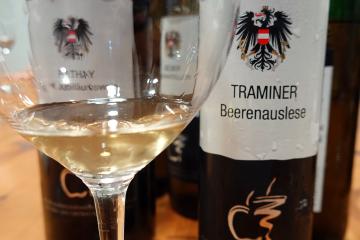
Wine is central to local identity. The Retzer Land is known for white wines, especially Grüner Veltliner, Riesling and Müller-Thurgau, along with some red wines such as Zweigelt. Many growers welcome visitors for tastings, and the Retzer Weinstraße, a wine route, links cellars and villages. Wine festivals take place in late summer and autumn. Local inns serve regional food, including roast pork, Weinviertel goulash, dumplings and pumpkin seed oil, and desserts such as Mohnnudeln, poppy-seed noodles.
Cycling is a major activity. The Weinviertel is gently rolling, with marked routes between villages, vineyards and cellar lanes, and there are links to the cycle routes along the Thaya toward the Czech Republic. A trip to Znojmo, the nearby Czech town, can easily be made across the border, and the Thayatal National Park offers walking in forested gorges.
The best time to visit is from May to October. Spring brings blossom, summer has long evenings in the wine gardens, and September to October is harvest season, with new wine, called Sturm, available in many places. Winters are cold and quiet. Retz can be reached by car from Vienna in about an hour and a quarter, and by train with a change, as a regional line serves the town from Vienna via Hollabrunn.
Did you know?
Interesting, verified facts about Retz
Retz Has a Distinct Local Story
HistoryNestled in the heart of Lower Austria’s Weinviertel region, Retz offers a serene escape into traditional Alpine charm, far removed from the bustle of major metropolitan centers.
Source: RetzPlan Your Visit to Retz
Essential travel tips and information for your trip to Retz.
Suggested Itineraries
One Day in Retz
1 dayPerfect for a quick visit. See the main highlights and get a taste of local culture.
Extended Retz Experience
2-3 daysComprehensive exploration including nearby attractions and cultural experiences.
Travel Tips
Currency
EUR • Cards widely accepted
Language
German • English in tourist areas
WiFi
Free WiFi in cafes and hotels
Explore Retz by Interest
Discover attractions and experiences in Retz organized by your interests and travel preferences.


All attractions in Retz
Sorted by our recommendation score
Quick Facts
Book your stay
Frequently Asked Questions
More destinations in Lower Austria
Explore other amazing places in the Lower Austria region