Schärding
Baroque town on the Inn River with extensive wine cellars
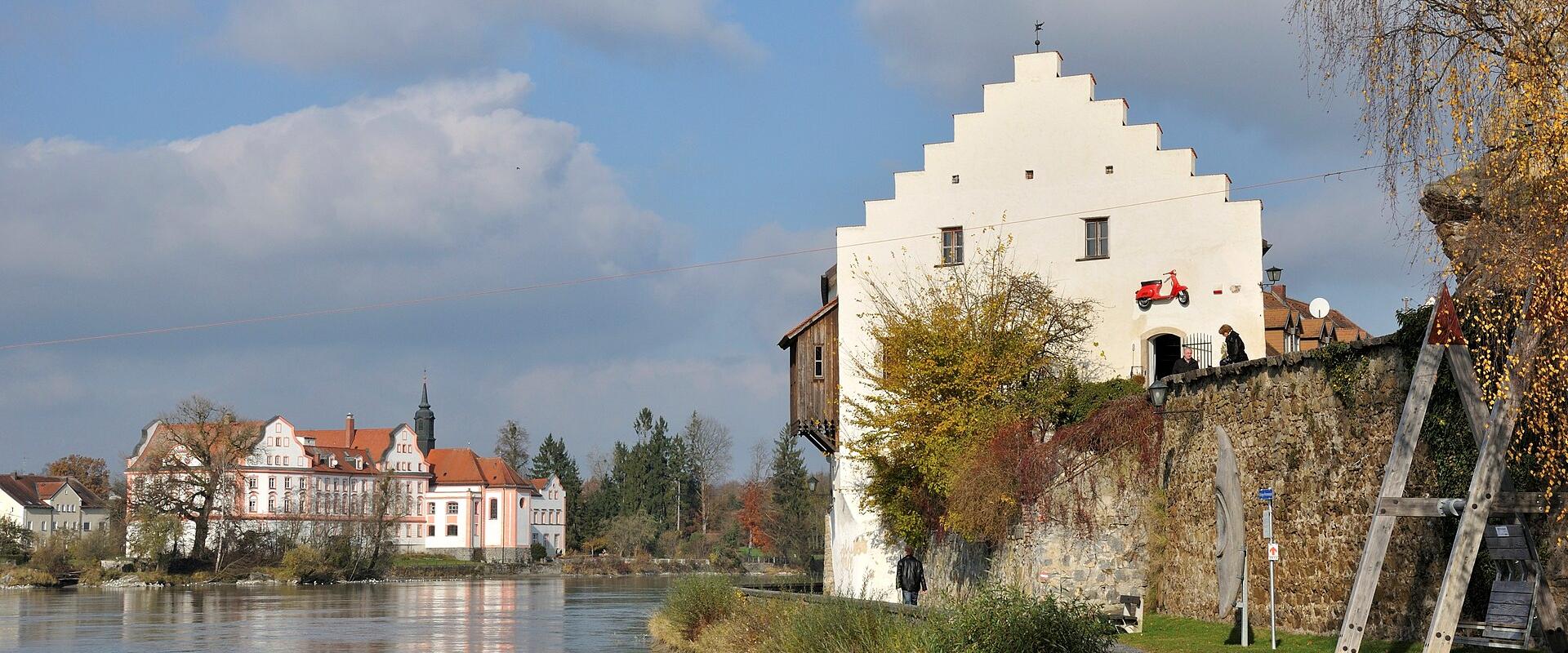
In the Middle Ages the area was a frontier, and Schärding lies in the Innviertel, the district of Upper Austria that belonged to Bavaria until 1779 and still shows it in its architecture, its beer culture and its dialect. The town stands on a terrace above the Inn River, directly across the water from the Bavarian town of Neuhaus, and it has been a border town for most of its history. The river carried salt from Hallein and Bad Reichenhall, and timber and grain, and Schärding grew rich as a toll and trading place from the thirteenth century, when it received market rights.
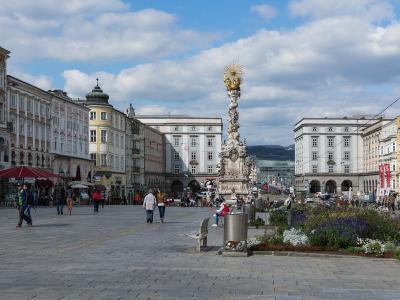
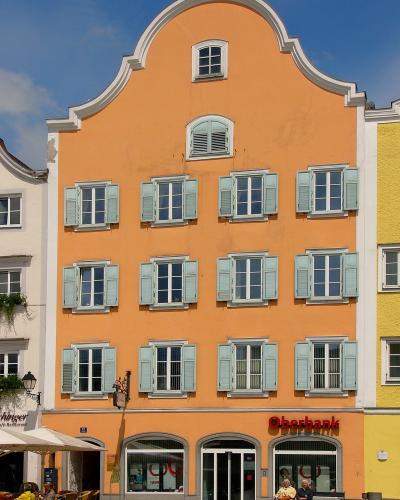
The two squares are the centre of the town. The Oberer Stadtplatz and the Unterer Stadtplatz, Austrian examples of Baroque townscape, linked by the narrow Schlossberg, are lined with tall, narrow houses with firewalls rising above the roofs, in a style typical of the Inn and Salzach region. Colours range from pale pink to ochre, and the decoration includes stucco and painted details. The Silberzeile, the "silver row" along the Unterer Stadtplatz, is the best-known stretch, and it is among the most photographed street scenes in Upper Austria. Photographers come early to catch the colours before the day-trippers arrive. The squares are traffic-free and are used for markets, concerts and the Christmas market in Advent. The Parish Church of St. Martin and the Town Hall are among the main buildings.
Beneath the town lie extensive cellars, which were carved into the rock beneath the houses in the sixteenth century and later. They were used for storing wine, beer and other goods, kept cool by the stone, and the Wine Cellars are the town's trademark attraction. Some cellars have been opened up as restaurants and wine bars, and a visit can combine a tour with a meal. The cellars are one reason why the town is described as a wine and beer town, a place where Bavaria and Austria meet.
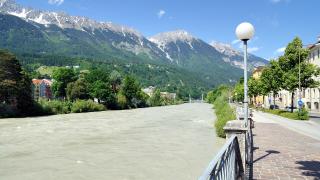
The Schärding Museum covers the town's history, including its trade in salt and the surrounding agriculture, and a small exhibition in the castle area traces the Bavarian past. The town walls and gates, parts of which survive, show how the fortress guarded a river crossing. A walk along the Inn embankment gives wide views of the river, the Bavarian bank and the water meadows, and in summer cafes and ice-cream stands do good business.
Outdoors, the Inn is the main attraction. The Inn River Cycle Path, one of the best known in Austria, follows the river from the Alps to the Danube, and Schärding is a convenient stop, with cycle hire in town. A section runs downstream toward Passau, and an easy ride leads past meadows, villages and small ferry crossings. On the Danube, a short distance downstream from where the Inn meets it, Jochenstein Rock Island marks the border between Austria and Germany, and it is a notable feature of the river with a hydroelectric station. Walkers can use trails in the hills around Schärding, through forests and farmland.
Events fill the summer. The town hosts a Wine Festival and other local festivals, and the Stadtplatz fills with stalls and music. Local cuisine is Innviertel cooking: roast pork, dumplings, Knödel with sauerkraut, Bavarian-style pretzels and beer, and fresh river fish when available. Many restaurants serve wine and cider from the region, and the weekly market sells vegetables, cheese and crafts.
The best time to visit is from mid-June to early September for warm weather, cycling and river walks. July and August are the peak months, but the town does not feel crowded, and May and September offer milder weather. Winter is quiet, though the Advent market is pretty. The most pleasant way to arrive is by bicycle along the Inn.
Getting there is simple. Trains link Schärding with Linz in about an hour and with Passau and Munich through the connecting line, and the station is a short walk from the squares. By car, the A8 motorway leads from Germany and the border crossing at Suben is close by, and local buses link the town with nearby villages. Passau is only about 20 kilometres to the north.
Best Time to Visit
Visit from mid-June to early September for warm weather ideal for cycling and riverside walks.
Did you know?
Interesting, verified facts about Schärding
Schärding Has a Wine Tradition
Food & DrinkIt is renowned for its well-preserved Baroque architecture, particularly the Oberer and Unterer Stadtplatz (Upper and Lower Town Squares), and its extensive network of wine cellars beneath the town center.
Source: SchärdingPlan Your Visit to Schärding
Essential travel tips and information for your trip to Schärding.
Suggested Itineraries
Travel Tips
Currency
EUR • Cards widely accepted
Language
German • English in tourist areas
WiFi
Free WiFi in cafes and hotels
Explore Schärding by Interest
Discover attractions and experiences in Schärding organized by your interests and travel preferences.
All attractions in Schärding
Sorted by our recommendation score
Quick Facts
Book your stay
Frequently Asked Questions
More destinations in Upper Austria
Explore other amazing places in the Upper Austria region