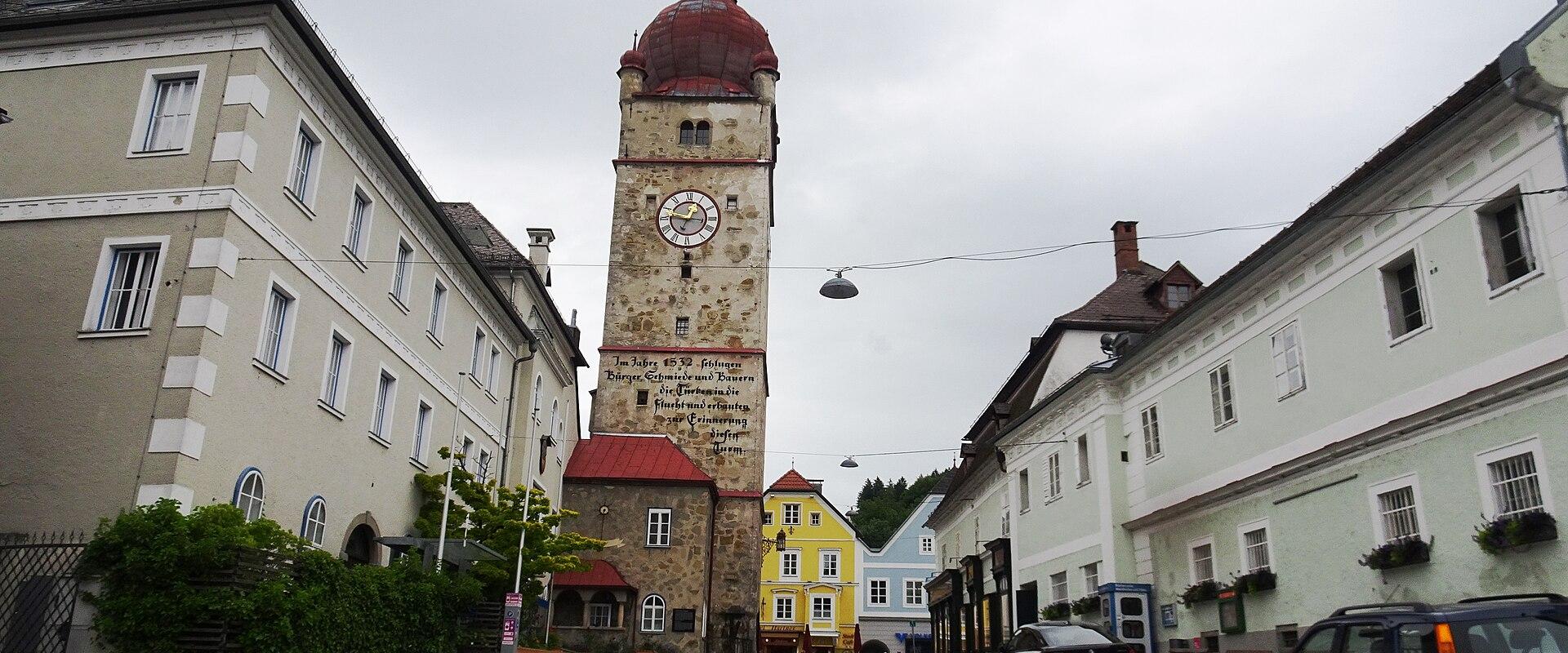
Waidhofen an der Ybbs owes its character to a loop of the Ybbs river. The old town sits on a spur almost surrounded by water, which made it easy to defend and hard to expand, so the medieval core stayed small and dense. Three towers and gate buildings once controlled the entrances, and the town tower on the main square, with its distinctive roof, is still the landmark you see from far away. A walk through the lanes takes less than an hour, but it is the details that reward attention: arcaded courtyards, carved doorways, painted façades and old merchant houses.
The Hauptplatz is the natural starting point. A fountain, cafes and benches fill the square, and the town hall, in a Gothic-style design, reflects the confidence of a town that grew rich on trade. Waidhofen was part of the Eisenwurzen, the iron-working region of the eastern Alps, and its smiths produced knives, scythes and other tools that were sold across Europe. That history explains the number of well-built townhouses and the modest elegance of the buildings.
The city's museums are small but good. The 5-Elements-Museum interprets the area through the elements that shaped it, and it is a useful place to start if you want to understand why the Ybbs valley developed as it did. The Mostviertler Spielzeugwelt presents a collection of toys and games, a nostalgic detour that works well for families. Nearby is Schloss Rothschild, a former noble residence that belonged to the Rothschild family in the late nineteenth century, and the parkland around it is a pleasant place for a walk. Check opening times before planning a visit, as small museums keep seasonal hours.
Outdoor options are plentiful. The Ybbstal Cycle Path, around 111 kilometres long, runs from Ybbs an der Donau to Lunz am See and is one of the best-known cycling routes in the Mostviertel. Waidhofen is a convenient place to join or leave it, and the ride between orchards, small towns and forest is gentle enough for most riders. Hiking trails lead up the Buchenberg, the wooded hill above the town, where paths and benches provide views over the roofs and the river loop. Within a day-trip distance lies the Ötschergräben, a set of narrow gorges and waterfalls beneath the Ötscher mountain, which many walkers combine with a visit to the Lower Austrian nature parks nearby.
The Mostviertel takes its name from Most, the local cider made from pears. The region is famous for its pear orchards, which bloom in late April and early May, and a number of farms and inns offer Most, vinegar, fruit brandies and juice. Menus are hearty and Austrian: schnitzel, dumplings, roast pork, game in autumn and trout from local streams, followed by strudel or a cake with whipped cream. In the town cafes you can sample coffee and pastries, and a Sunday visit to an inn terrace is a local habit.
The best time to visit is spring for the blossom, summer and early autumn for cycling and walking, and the weeks around October for colour on the hillsides. Winter is quiet but the old town looks good with snow on the roofs, and small ski areas in the Ybbs valley and the Hochkar region are within driving distance. Advent markets are held in the weeks before Christmas.
Getting to Waidhofen is straightforward. The town has a railway station on the line between St. Valentin on the main Vienna to Linz railway and the Ybbs valley, and the trip takes roughly an hour and a half from Vienna with a change. Driving from Vienna takes about two hours, and the A1 motorway exit at Amstetten is the usual route. Once in town, everything in the old centre can be reached on foot, and rental bikes make the surrounding valley easy to explore.
What to see in Waidhofen An Der Ybbs
Our picks first.
Waidhofen An Der Ybbs by interest
The same sights, grouped by what you came for.
Planning a visit to Waidhofen An Der Ybbs
Good to know
- Currency
- EUR
- Language
- German
Quick Facts
Book your stay
Questions people ask
More places in Lower Austria
Lower Austria
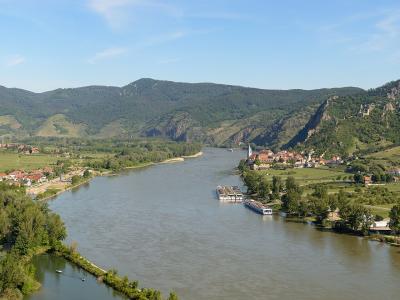
Wachau
UNESCO World Heritage Danube valley with vineyards and castles
Lower Austria
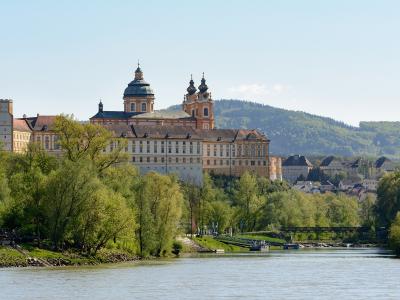
Melk
Baroque abbey overlooking the Danube in the Wachau Valley
Lower Austria
Dürnstein
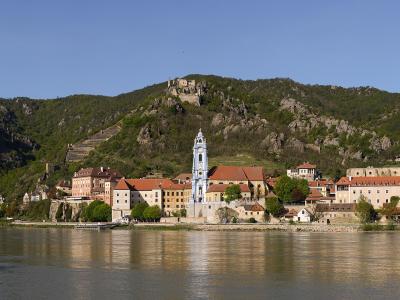
UNESCO Wachau village with blue church tower and castle ruins
Lower Austria
Krems an der Donau
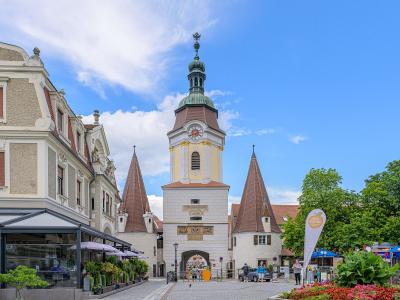
Historic Wachau gateway city on the Danube with art and wine