Wels
Historic city in Upper Austria with imperial castle and zoo
Wels lies on the Traun river in the fertile Hausruckviertel of Upper Austria, on the main line between Vienna and Salzburg. The city has about 65,000 inhabitants, which makes it the biggest town in the region and a natural centre for shopping, services and trade fairs. Its modern appearance, with business parks and shopping zones at the edge, hides a long history.
That history begins with the Romans. The settlement of Ovilava was founded in the first century AD and grew into a municipium and then a colony, serving at one stage as a regional capital of the province of Noricum. Remains of the Roman town, including walls, baths and mosaics, were found under the modern streets, and some finds are shown in the local museums. The Middle Ages brought town rights and a prosperous trade, and Wels became a place of residence for the Habsburgs in the late fifteenth century. The most famous event is the death of Emperor Maximilian I, who died in the castle in 1519 on his way to Linz. It was the end of the reign of the "last knight", and his body was carried onward to Wiener Neustadt for burial.
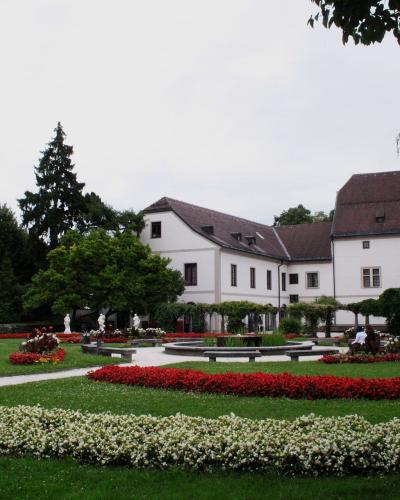
Wels Castle, the Burg Wels, stands at the southeastern edge of the old town. Its rooms contain museum exhibitions on the history of the city and region, and the courtyards and halls are used for events. The building has been rebuilt many times, and it reflects the Renaissance and later styles. A visit combines local history with an unusual link to Habsburg history.
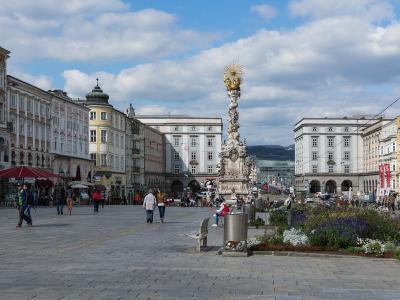
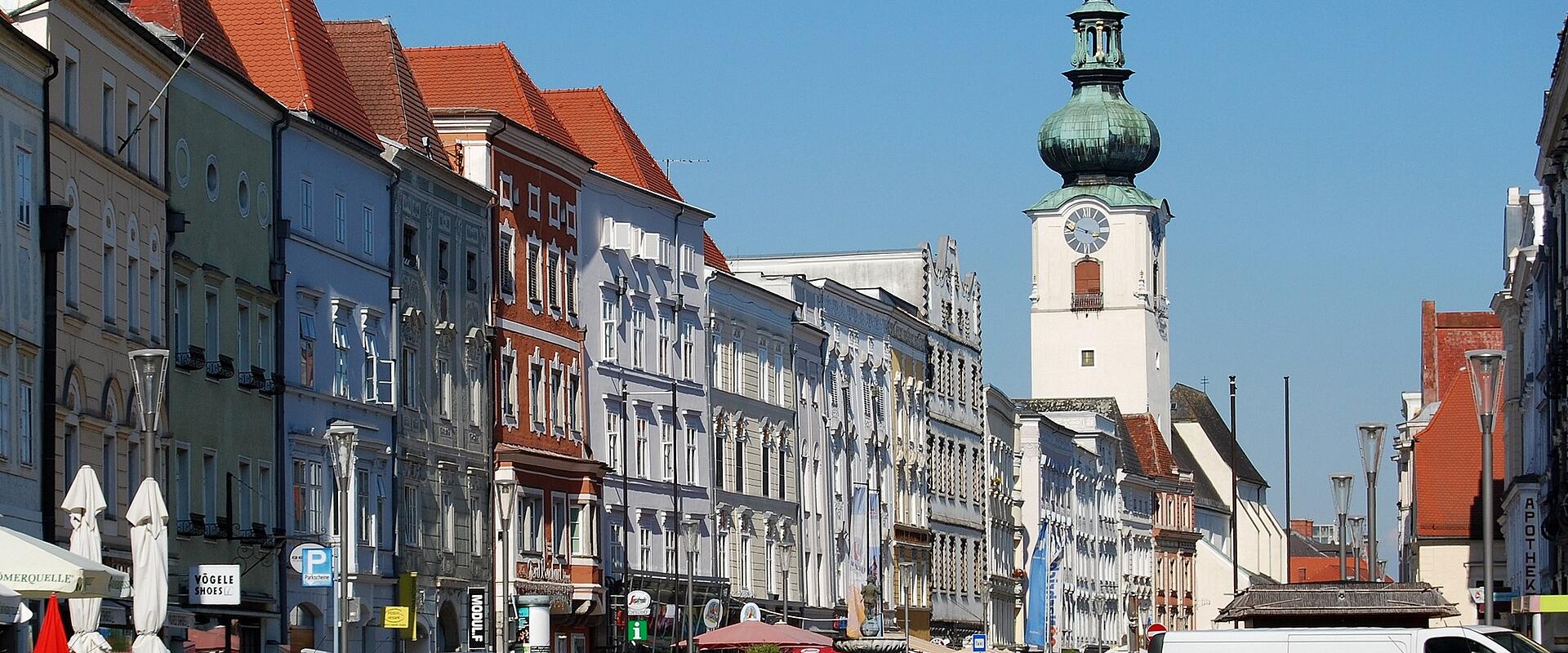
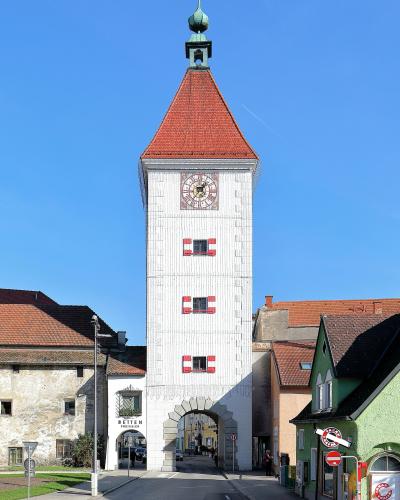
The old town is organised around the Stadtplatz, the main square, one of the longest and most attractive town squares in Upper Austria. Arcaded houses with colourful façades, Renaissance gables and Baroque details line both sides, and the Town Hall, the Parish Church and a fountain stand along the Town Square. The square is closed to traffic and used for markets and festivals. At the northern end, the Ledererturm is a medieval tower that was later altered in the Renaissance. It is the symbol of Wels, and its panorama of the city's roofs is rewarded after a short climb, at least when open. The tower is a reminder of Wels' defensive past. Another curious building is the Salome Alt House, named after Salome Alt, the partner of the Salzburg prince-archbishop Wolf Dietrich, and the house is a reminder that Wels had links to the larger political stories of the era.
For family outings, Wels offers two good options. Welios, the science centre, is housed in a modern building and focuses on energy, with interactive exhibits and workshops. Its full name, Welios Energie Erlebnishaus, reflects the focus on energy and sustainability. The Tiergarten Wels, a zoo in the park, shows a wide variety of animals, including bears, wolves and exotic birds, and is easy to reach from the centre. Both are popular with school groups and families, so weekdays in term time can be busy.
Outdoor activities begin at the river. The Traun River offers walking and cycling along its banks, with a signed Cycling Route linking the city to the Danube cycle path and the lakes of the Salzkammergut. Day trips lead south into the Alpine foothills, to the Traunsee and the Traunstein mountain, and further to the Kalkalpen National Park, where forests and limestone ridges are protected. A ride along the Traun is the best way to see the countryside, and shorter loops are available from the city.
Cultural life includes concerts, theatre and a number of festivals throughout the year, including a summer Festival, with the big events centred on the trade-fair grounds and the Stadtplatz. In December, the Christmas Market fills the square with stalls selling crafts, sweets and mulled wine. Food in the city is typical of Upper Austria, with roast pork, dumplings, goulash, apple strudel and local beer, and a number of cafes are found around the square.
The best time to visit is from mid-June to early September, when cycling and outdoor activity are at their best, though May and September are quieter and good for sightseeing. Winters are cold but atmospheric, with the Christmas market the main draw.
Getting there is simple. Wels Hauptbahnhof has frequent trains to Linz, which takes about 15 minutes, and to Vienna in about an hour and a half to two hours, and to Salzburg in about an hour. By car, the A1 motorway passes the city, and the A8 motorway leads from Germany, with Munich about two hours away. Local buses connect with the surrounding towns.
Best Time to Visit
Visit from mid-June to early September for warm weather ideal for cycling and hiking in the surrounding areas.
Plan Your Visit to Wels
Essential travel tips and information for your trip to Wels.
Suggested Itineraries
Discovering Wels
1 dayOne-day tour of Wels featuring the Zoo, Welios, and Ledererturm
View ItineraryTravel Tips
Currency
EUR • Cards widely accepted
Language
German • English in tourist areas
WiFi
Free WiFi in cafes and hotels
Explore Wels by Interest
Discover attractions and experiences in Wels organized by your interests and travel preferences.
All attractions in Wels
Sorted by our recommendation score
Quick Facts
Book your stay
Frequently Asked Questions
More destinations in Upper Austria
Explore other amazing places in the Upper Austria region