- Where
- Austrian Tyrol, Tyrol
- Directions
- Directions
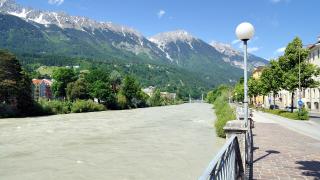
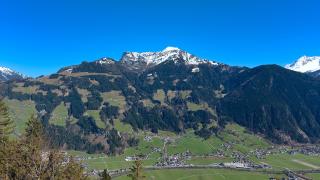
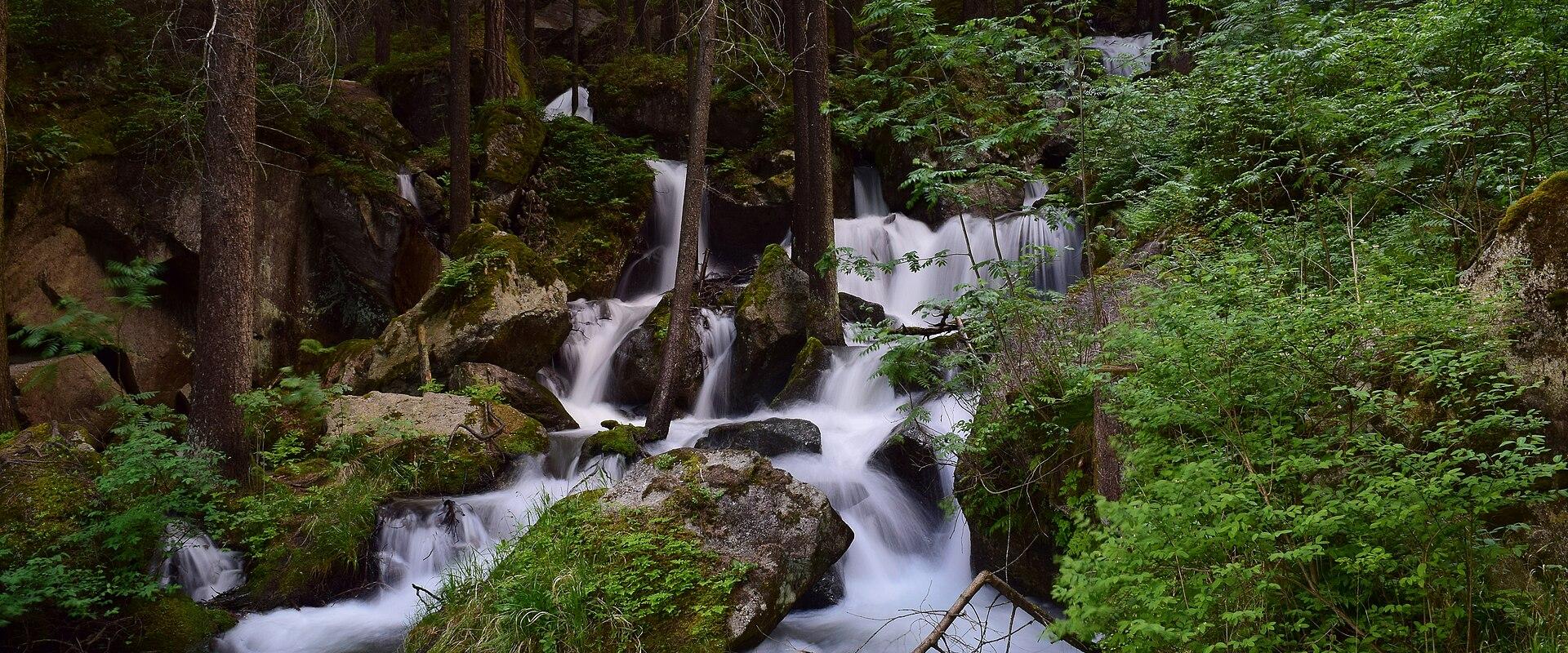
Tyrol protects some of its finest mountain landscapes in a family of nature parks and one national park, and together they cover a very large part of the province. The nature parks are the Karwendel, the Kaunergrat, the Ötztal, the Tiroler Lech and the Zillertal Alps, and the Hohe Tauern National Park, the largest protected area in the Alps, reaches into East Tyrol. Each has its own character, shaped by geology, altitude and traditional land use, and each is open to the public with a network of marked trails.
The Karwendel is a vast limestone range with wide valleys, rocky ridges and ancient maple trees, while the Zillertal Alps and the Ötztal are made of harder crystalline rock, with glaciers, high lakes and steep, sparkling peaks. The Kaunergrat, above the Kaunertal and Pitztal valleys, is a long, jagged crest known for its high summits and for its wildlife and its alpine flora. The Tiroler Lech nature park protects one of the last wild river landscapes in the Alps, where the Lech winds across wide gravel banks, and offers a very different experience from the high mountains.
Wildlife is the quiet star of these parks. Chamois are common on steep slopes, and marmots whistle from the grassy hillsides in summer, sometimes allowing walkers a close view. Ibex graze on rocky ledges, and the golden eagle patrols the skies above the cliffs. The bearded vulture, which was reintroduced in the Alps after being wiped out, is among the rarest and most impressive birds, with a wingspan of nearly three metres, and sightings, though not guaranteed, are a thrill. Alpine flowers, including gentians and orchids, colour the meadows in early summer.
Hiking is the main activity, and the parks have trails for every ability, from gentle valley paths to demanding high routes between mountain huts. Rangers and local guides lead walks that explain the ecology, and information centres in the valleys give maps and advice. Cycling and mountain biking are allowed on designated routes, and in winter ski touring and snowshoeing are popular.
The parks are generally open to everyone and free to enter, though some access roads and huts have their own arrangements. Weather in the high mountains can change very fast, so check forecasts, carry warm and waterproof clothing, and respect wildlife by keeping distance and dogs on a lead. The nature parks suit walkers, nature photographers and families, and they offer a quieter alternative to the busier resorts.
Categories
More photos coming soon
Nearby Attractions
Other places to visit in Austrian Tyrol
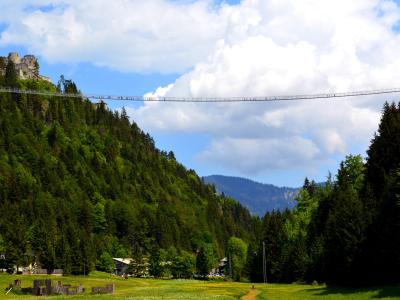
Highline179 Bridge
World's longest Tibetan-style suspension bridge
From €6 Fortifications · Historic Bridges
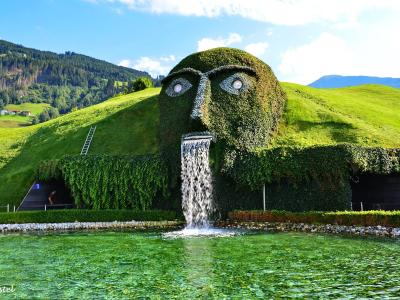
Swarovski Crystal Worlds (Wattens)
Crystal art museum and park in Wattens, Tyrol
From €25 Museums & Art · Urban Exploration
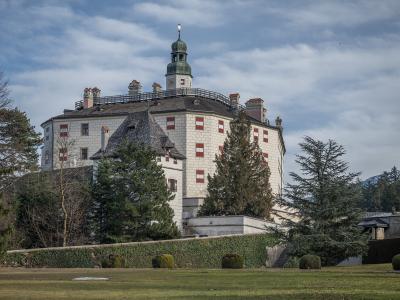
Ambras Castle
World's first museum in its original location
From €12 Historic Palaces · Local History
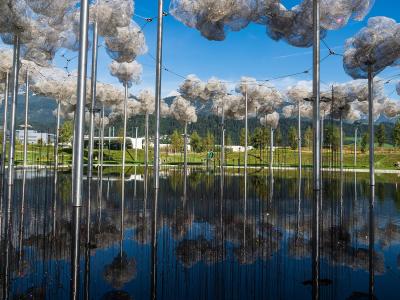
Swarovski Kristallwelt
Giant crystal cave in Austrian Tyrol
Museums & Art · Urban Exploration
Questions people ask
Quick Facts
Best Time to Visit
Visit from December to March for skiing, or May to September for hiking and lake activities.