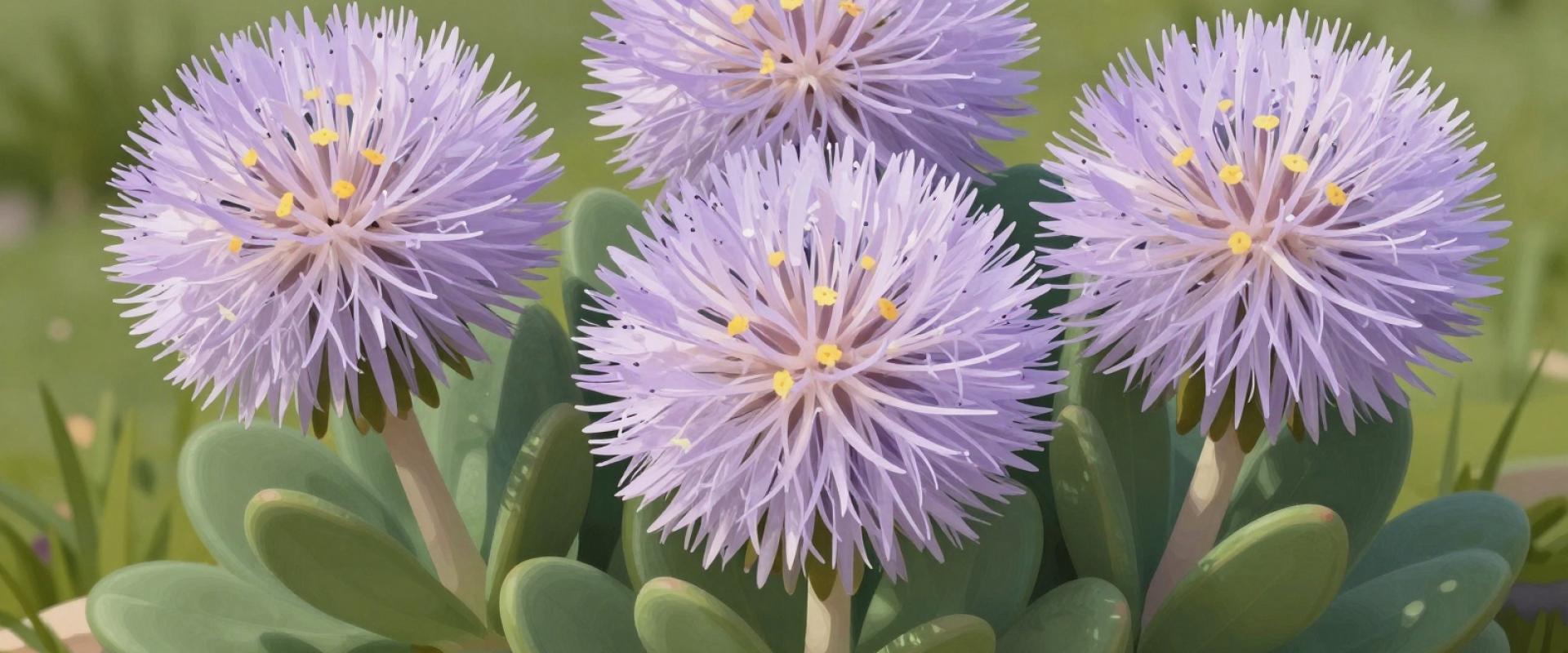
Schladming Alpine Garden (Alpines Garten)
Alpine botanical garden in the Austrian Alps
- Where
- Schladming, Styria
- Directions
- Directions
The mountains around Schladming are among the richest places in Styria for alpine plants, and an alpine garden is a gentle way to get to know them. Gardens of this kind collect and label the flowers of the high mountains in one accessible place, so visitors can see species that normally grow on remote slopes and screes without a long climb. Since the exact layout, opening dates and visiting arrangements can vary, it is wise to ask at the local tourist office or at the lift stations before setting out.
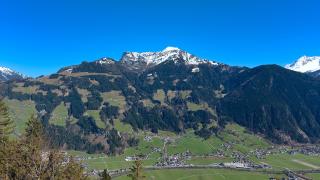
The flora of the region is unusually varied because of the geology. The Dachstein massif to the north is made of limestone, which supports one set of plants, while the Schladminger Tauern to the south consist of crystalline rock such as granite and gneiss, which favours another. A walker can therefore find plants of both kinds within a short distance. In early summer the meadows are full of colour, with yellow and purple pasqueflowers, gentians of an intense blue, alpine roses with red-pink blossoms on the slopes, arnica, and the delicate pinks and saxifrages that cling to rock. Edelweiss, the best known alpine flower, grows in a few high places, though it is protected and must not be picked.
The best time to visit is from June to August, when most plants flower, with the peak depending on altitude. Lower meadows bloom first, and the high ground in July and early August, so visitors can follow the flowering season uphill. Photographers should bring a macro lens or a phone with a close-up setting, and a field guide to alpine flowers is helpful for identification. Many species are small and easily missed, so slowing down is part of the pleasure.
Flowers are fragile, and the rules of the mountains apply. Stay on marked paths, never pick protected species, and keep dogs on a lead near grazing animals. The paths near the high lift stations are suitable for families and walkers of modest fitness, and guided botanical walks are sometimes offered in summer.
The garden or its surroundings pair well with a day on the lifts around Schladming, a stop at a mountain hut and a view of the Dachstein. It suits nature lovers, photographers and families who want an easy introduction to alpine botany, and it is best visited on a clear day.
Categories
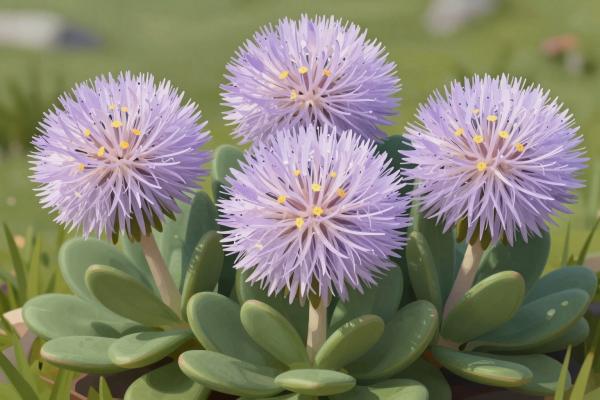
More photos coming soon
Nearby Attractions
Other places to visit in Schladming
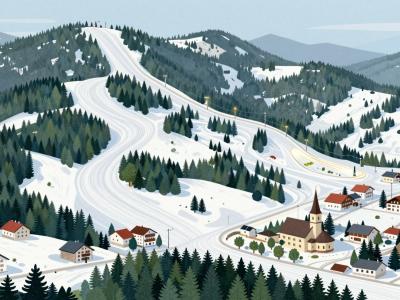
Schladming Ski Arena (Schladming-Dachstein-Ramsau)
Austrian four-mountain ski link hosting World Championships
Mountain Hiking · Ski Resorts
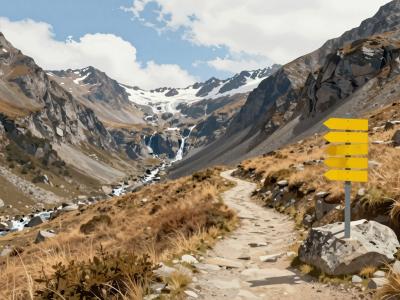
Local Alpine Hiking Trails
1,500km of trails and 300 alpine lakes
Free Alpine Lakes · Mountain Hiking
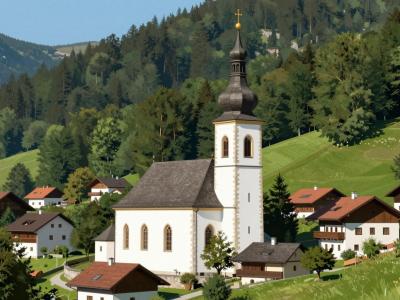
Schladming Ski Area (Schladming-Dachstein-Ramsau)
Former mining town hosting 1982 World Ski Championships
Free Cable Cars · Mountain Hiking
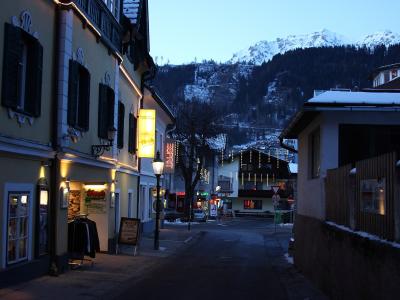
Schladming Town Square (Marktplatz)
Historic alpine market square in Schladming
City Centers · Old Towns
Questions people ask
Quick Facts
Best Time to Visit
Austria enjoys a Mediterranean climate with warm summers and mild winters, making it ideal for visiting year-round.