
- Where
- Schladming, Styria
- Directions
- Directions
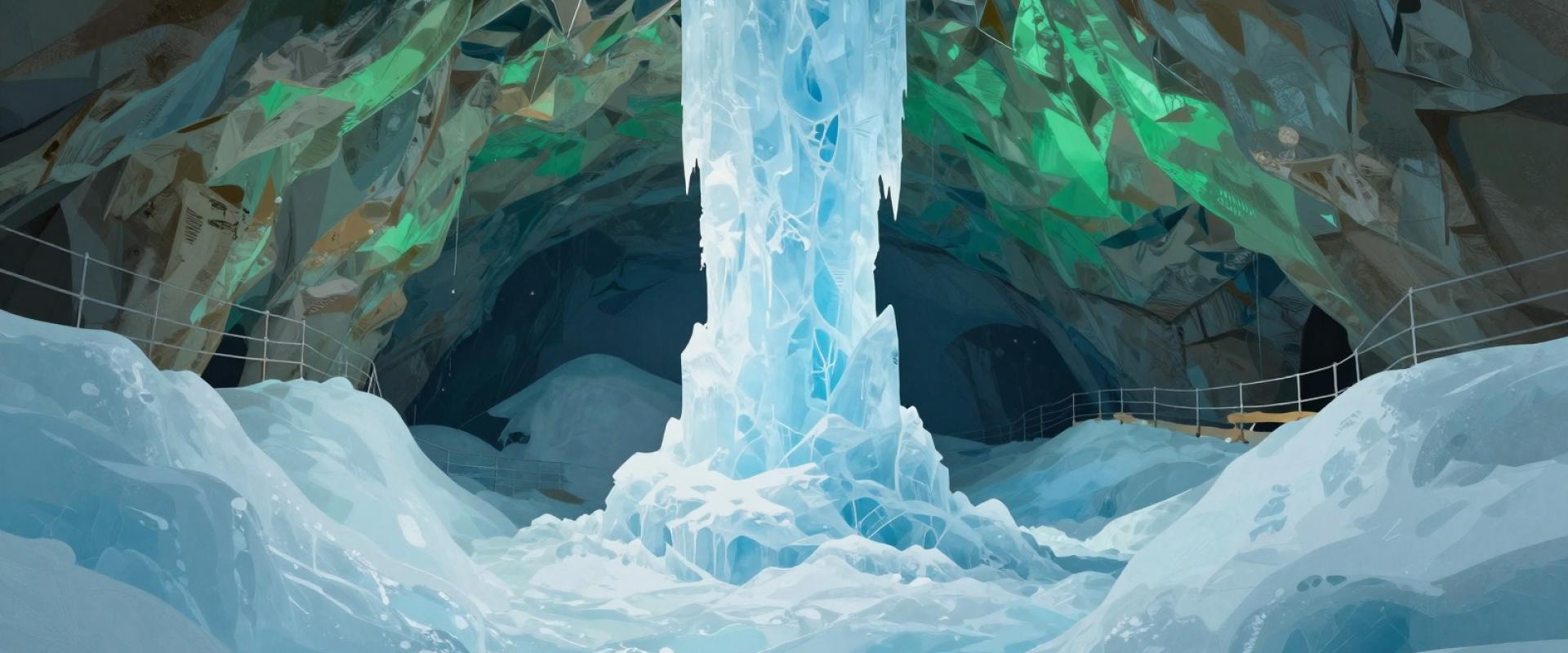
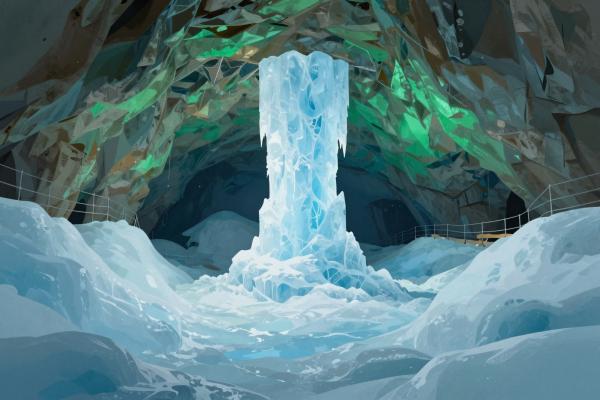
The Dachstein massif above Schladming is one of the great cave regions of the Alps, and ice plays a large part in its underground world. Ice caves form in a special way. In winter, cold, dense air sinks into the cave and replaces the warmer air, and meltwater or seepage that enters in spring freezes in the cold, building up ice that stays through the summer because the cave entrance is arranged so that warm air cannot flow in. Over many years these layers create columns, frozen waterfalls, glassy floors and walls of ice that glitter in the beam of a lamp. The Schladming ice cave belongs to this setting, and the experience is one of ice, darkness and silence.
The best known ice experiences of the Dachstein are on two sides of the mountain. On the Schladming side, the Ice Palace at the top of the glacier cable car is a series of passages and chambers cut into the Hallstatt glacier, where lighting and sculptures show the ice at close range, in an environment that is always below freezing. On the north side of the massif, near Obertraun in Upper Austria, the Giant Ice Cave and the Mammoth Cave are natural caves in the limestone, explored and opened to visitors in the early twentieth century, where walkways lead through large halls with ice formations. Both can be visited in a day or two from Schladming, and details of access differ for each, so check which one you are planning to visit.
Whatever the site, preparation is the same. The temperature inside an ice cave is close to or below zero degrees Celsius throughout the year, so warm clothes, a hat, gloves and sturdy shoes with a good grip are essential, even in midsummer when the valley is hot. The paths can be wet and slippery, and some involve many steps, so visitors with limited mobility should check the conditions first. Guided tours are the rule, and the guides explain how the ice forms and how it is changing. In recent years the ice has been shrinking in some caves because of warmer winters, and the guides often discuss climate change.
The visits are usually combined with other activities in the Dachstein region, such as a ride on the cable car, a walk on the plateau or a stop at a mountain hut. Opening dates depend on the season and on conditions in the cave, and some caves are closed in winter, so it is best to confirm hours and booking requirements in advance.
Plan around two hours for a cave tour, plus travel time from Schladming.
Categories
More photos coming soon
Nearby Attractions
Other places to visit in Schladming
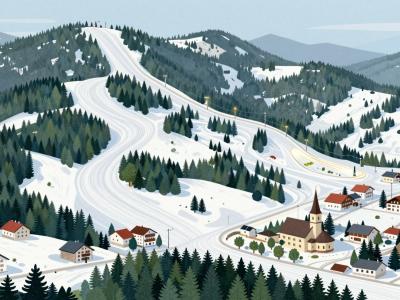
Schladming Ski Arena (Schladming-Dachstein-Ramsau)
Austrian four-mountain ski link hosting World Championships
Mountain Hiking · Ski Resorts
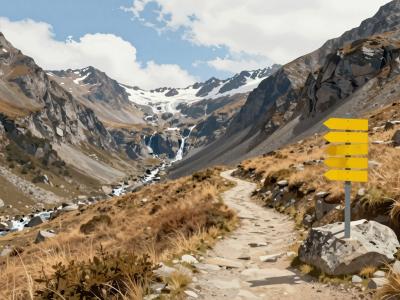
Local Alpine Hiking Trails
1,500km of trails and 300 alpine lakes
Free Alpine Lakes · Mountain Hiking
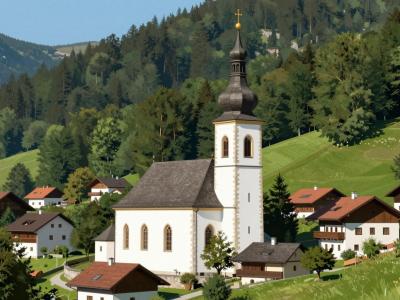
Schladming Ski Area (Schladming-Dachstein-Ramsau)
Former mining town hosting 1982 World Ski Championships
Free Cable Cars · Mountain Hiking
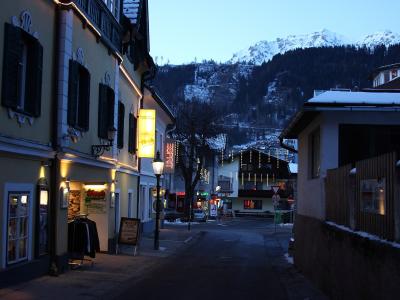
Schladming Town Square (Marktplatz)
Historic alpine market square in Schladming
City Centers · Old Towns
Questions people ask
Quick Facts
Best Time to Visit
Austria enjoys a Mediterranean climate with warm summers and mild winters, making it ideal for visiting year-round.