- Where
- Lockenhaus, Burgenland
- Directions
- Directions
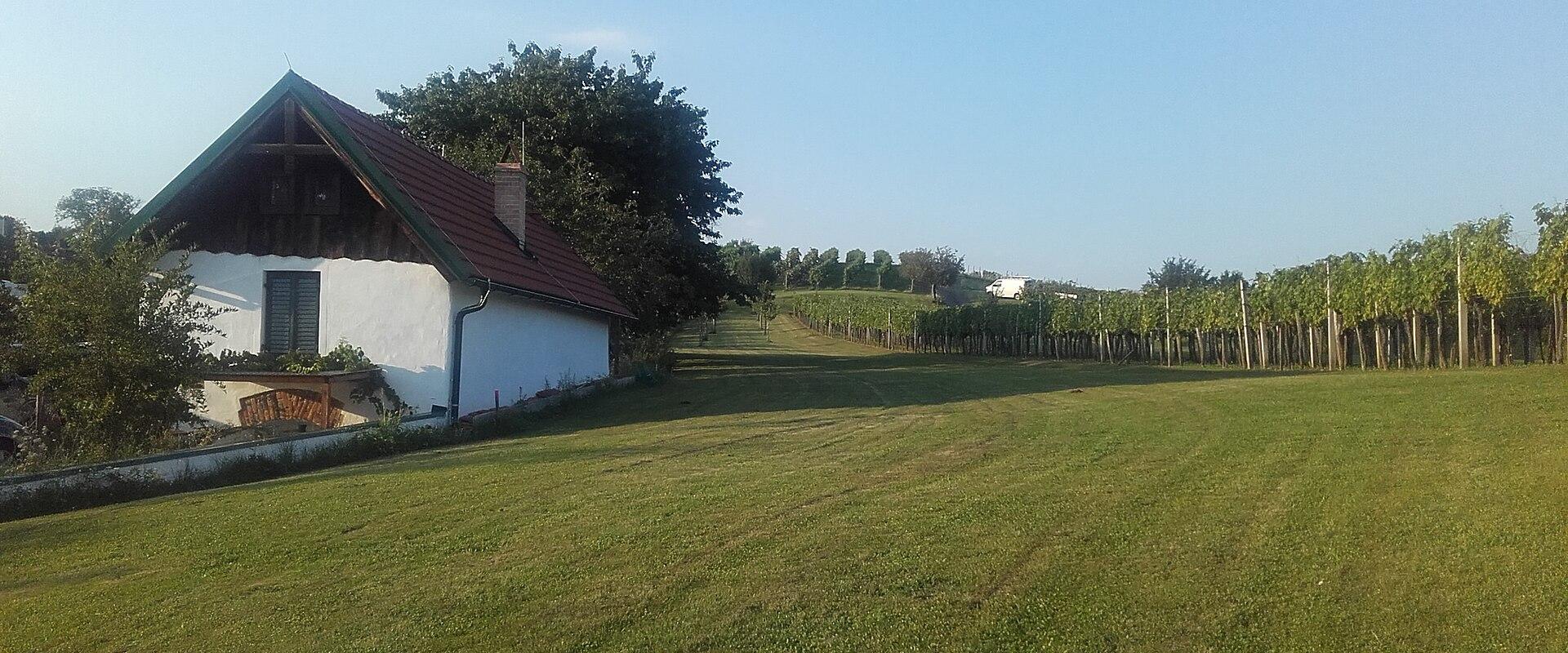
Lockenhaus sits in the hills of central Burgenland, close to the Hungarian border, and although the village is better known for its castle, the countryside around it belongs to a wine-growing province with an old tradition. Burgenland is Austria's warmest and driest wine region, with a Pannonian climate of hot summers, mild autumns and a long ripening season. The province is best known for its red wines, above all Blaufränkisch, which thrives on the slopes of the central part of Burgenland, and for the sweet wines that form in the autumn mists beside the Neusiedler See. In the hills near Lockenhaus, small family growers also work with white varieties such as Welschriesling and Grauburgunder.
The wine culture here is modest in scale and personal in tone. Most growers are families who tend a few hectares of vines, make wine in a cellar beside the house and sell much of it directly to visitors and neighbours. Many open a Buschenschank or Heuriger for part of the year, a tavern-like room or courtyard where the new wine is poured by the glass along with simple food such as bread, ham, cheese and pickles. Hours vary and are often posted by a branch hung over the door, so it is worth asking locally what is open. The atmosphere is relaxed and informal, and conversation with the producer is part of the experience.
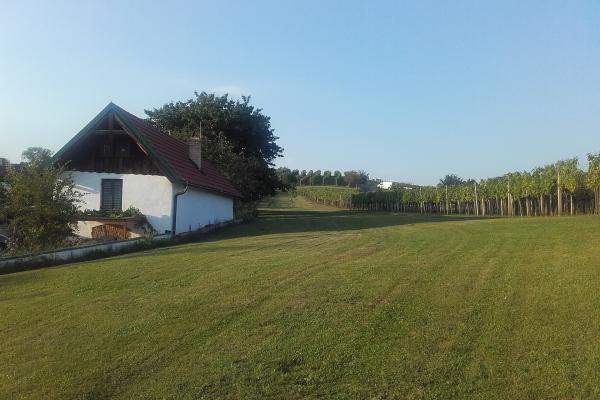
The cellars themselves are an attraction. In the villages of the region it was traditional to dig storage cellars into hillsides or build them in lanes outside the village, which keeps wine at a steady cool temperature through the year. These cellar lanes often have small, whitewashed or stone-fronted buildings in rows, and some are centuries old. They give a sense of how winemaking used to be woven into everyday rural life, long before the arrival of modern wineries.
The setting adds a good deal. Rolling hills, patches of forest and views toward the ridge of the Geschriebenstein form the backdrop, and walking and cycling routes link villages and vineyards. In late summer and autumn, when the grapes ripen and the harvest begins, the landscape is at its most lively. Lockenhaus itself offers more to see, from the castle and its chamber music festival to the small Franz Liszt Museum, and the composer's birthplace at Raiding lies nearby in the same wine-growing district.
Visitors should plan transport carefully if they intend to taste, as distances between villages are considerable and public transport is limited. The wine cellars suit those who like quiet, unpretentious rural culture and want to combine tastings with a castle visit or a walk.
Categories
More photos coming soon
Nearby Attractions
Other places to visit in Lockenhaus
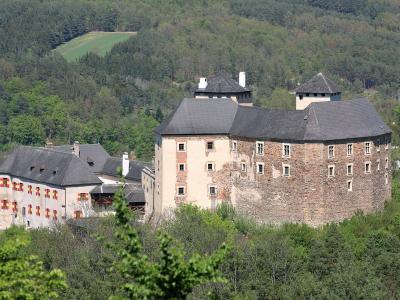
Schloss Lockenhaus (Locke Star)
Medieval knight's castle with bat colony
Historic Palaces · Medieval Castles
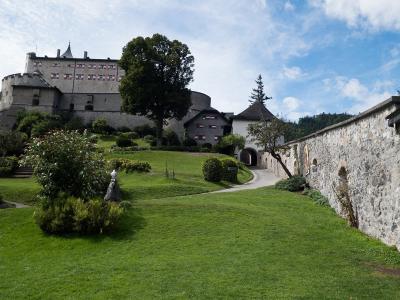
Castle Courtyard
Castle in Burgenland, Austria
Historic Palaces · Local History
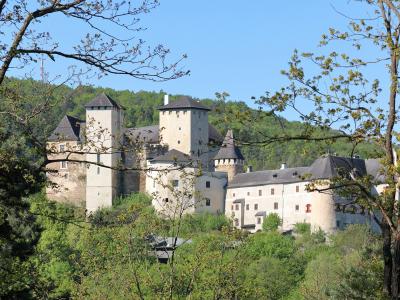
Lockenhaus Castle Gardens
Medieval castle with chamber music festival
Cultural Venues · Historic Palaces
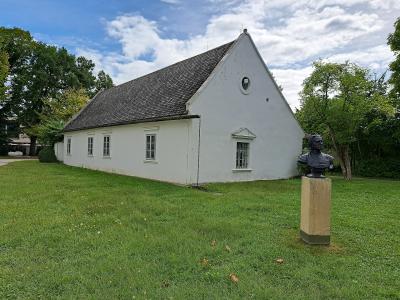
Franz Liszt Museum
Liszt's birthplace in Raiding, Austria
Historic Houses · Local History
Questions people ask
Quick Facts
Best Time to Visit
Austria enjoys a Mediterranean climate with warm summers and mild winters, making it ideal for visiting year-round.