Shattered Ice and Thundering Roars
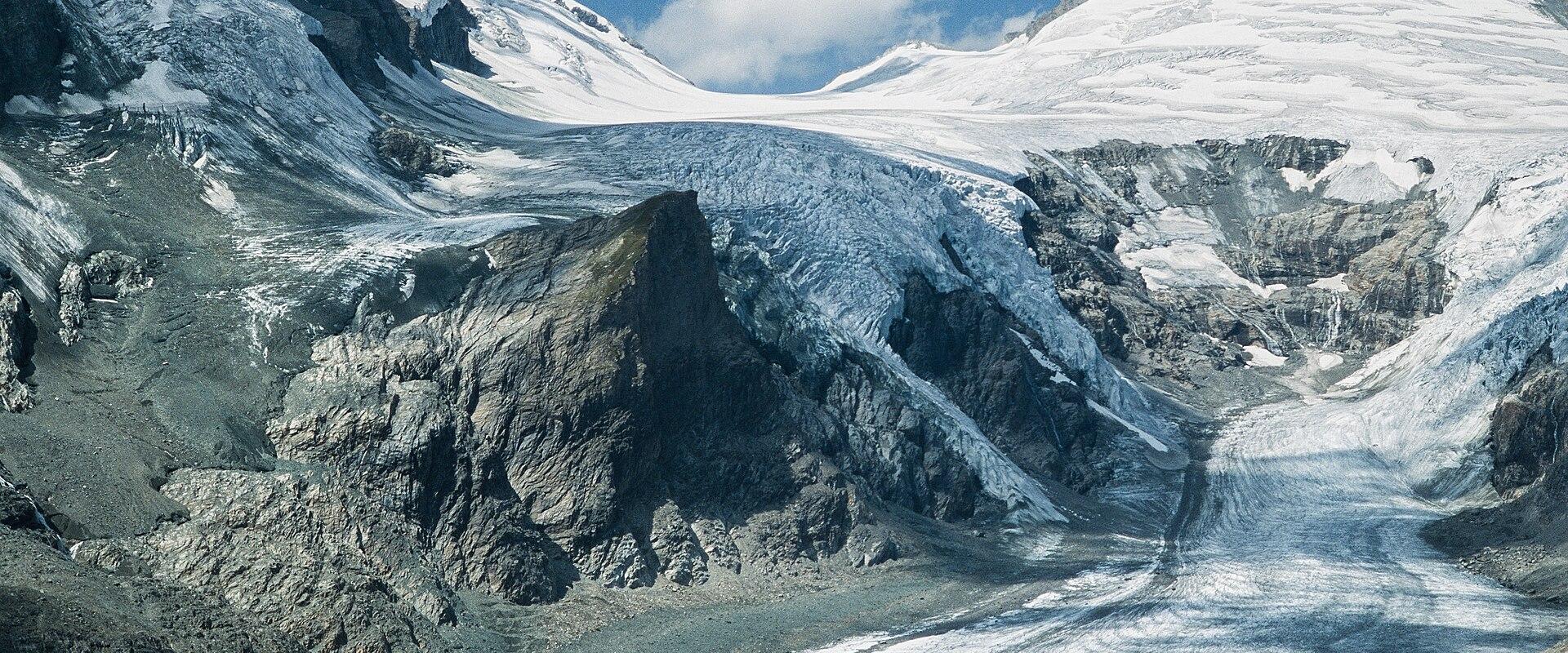
The air hits you first—thin, biting, and tasting of ancient dust. I stood on the edge of the Pasterze Glacier, my boots planted firmly on shifting moraine, listening to the deep, guttural groans of eight kilometers of ice. It is not silent. It roars. This is Austria’s largest ice river, a monstrous 120-meter-thick beast carving through the Hohe Tauern National Park with terrifying grace. I remember the first time I watched a serac collapse; the thunder shook my very bones, sending shards of blue ice flying like shrapnel. It is humbling. The scale is impossible to grasp until you are small enough to feel it. That day, I learned that nature demands respect, not just admiration. The Pasterze is moving, retreating, and alive. You can feel its pulse in the tremors beneath your feet. This is not a passive landscape; it is a force of nature that has shaped these valleys for millennia. When you trek here, you are walking on history. The cold seeps into your marrow, but the adrenaline keeps you warm. I urge you to come. See the ice. Hear the roar. Feel the power of the Eastern Alps. Lace up your boots. The mountain is calling, and it does not wait for anyone.
From Heiligenblut’s Gates to the Ice Frontier
The wind in Heiligenblut carries a crisp, metallic bite that instantly signals your entry into the High Tauern. While Bruck am Großglockner offers a shortcut, I find its rushed pace ill-suited for such a monumental trek; starting here allows the journey to unfold with the gravity it deserves.
We begin on well-maintained trails winding through lush alpine meadows, a gentle prelude before the terrain shifts to rocky scree and ancient glacial moraines. As the air thins, profound silence descends, broken only by the rhythmic crunch of boots on stone. This gradual ascent builds anticipation, preparing both body and mind for the stark white beacon of the Grossglocknerhaus that eventually emerges against the grey rock.
That mountain hut marks the halfway point, a necessary pause to catch your breath and check your gear before the path steepens toward the Pasterze Glacier. At 8.4 kilometers long, this icy river defies simple description, demanding a visual payoff that few other places in Austria can match.
Standing above the world, you look down at slow-moving ice that has carved these valleys over millennia. The sheer magnitude of the frozen expanse overwhelms the senses, leaving no room for doubt about the raw power of the Alps.
Biting winds seep into your marrow, a constant reminder that this environment respects no pretense. Yet, the view remains an unparalleled reward. Step onto the trail with respect for the cold and eyes open to the vastness ahead.
Gear Up or Get Left Behind
The ice offers no mercy to the hesitant. I once watched a hiker in cheap sneakers slip on the Pasterze’s hidden crevasses; it was terrifying. You need serious gear here, not tourist souvenirs. Pack waterproof boots with stiff soles for stability on the 8.4-kilometer expanse. Gaiters are non-negotiable to keep that biting snow out. Layer up with merino wool and a windproof shell because the temperature plummets fast near the 120-meter-thick ice wall. Sun protection is critical—UV radiation at this altitude in the Hohe Tauern National Park is brutal. Bring sunglasses and high-SPF sunscreen; I’ve seen sunburns on cloudy days. Hydrate aggressively; the thin air dehydrates you silently. Check the weather forecast in Heiligenblut before you go. If storms roll in, turn back immediately. Respect the mountain’s power. Lace up, stay alert, and embrace the chill. Your safety depends on your preparation. Get out there and conquer the ice!
Whispers of the High Alps
Ancient ice stretches for eight kilometers across the Pasterze, Austria’s longest glacier, holding memories of centuries past. I stood on the crunching moraine, watching a golden eagle circle the jagged peak of the Grossglockner. Below, saxifrage clung desperately to rocky crevices, defying the freezing temperatures. The silence here is heavy, broken only by the deep groan of shifting ice.
An ibex family rested on a distant ridge, their horns silhouetted sharply against the white snow. This fragile ecosystem demands our utmost respect. We must protect it by leaving no trace, packing out every wrapper, and treading lightly. The Edelweiss blooms briefly in July, offering a white star amidst the alpine gray.
Respect the mountain, and it rewards you with solitude. The sheer magnitude of the ice defies comprehension, overwhelming the senses with its vast, cold presence. Prepare your footing carefully before stepping onto the trail. UV radiation at this elevation is intense, so gear up properly to stay safe. The scale is humbling.
Your Boots Are Waiting
The ice offers no mercy to the hesitant. Standing on the Pasterze’s 8.4-kilometer expanse, you feel the raw power of the Eastern Alps thrumming through your crampons. This isn’t a leisurely stroll; it’s a race against an accelerating clock. The glacier shrinks visibly each year, vanishing before our very eyes. I’ve guided groups here since the 2010s, and the stark changes are undeniable.
Prepare your footing with sturdy boots and respect for the terrain. The sheer magnitude of the ice defies comprehension, demanding both awe and caution. Act now. The Pasterze remains Austria’s largest ice river, but it won’t wait forever.
Tie your laces tight. Book your trek. Witness this fleeting wonder before it slips into history. Go now.