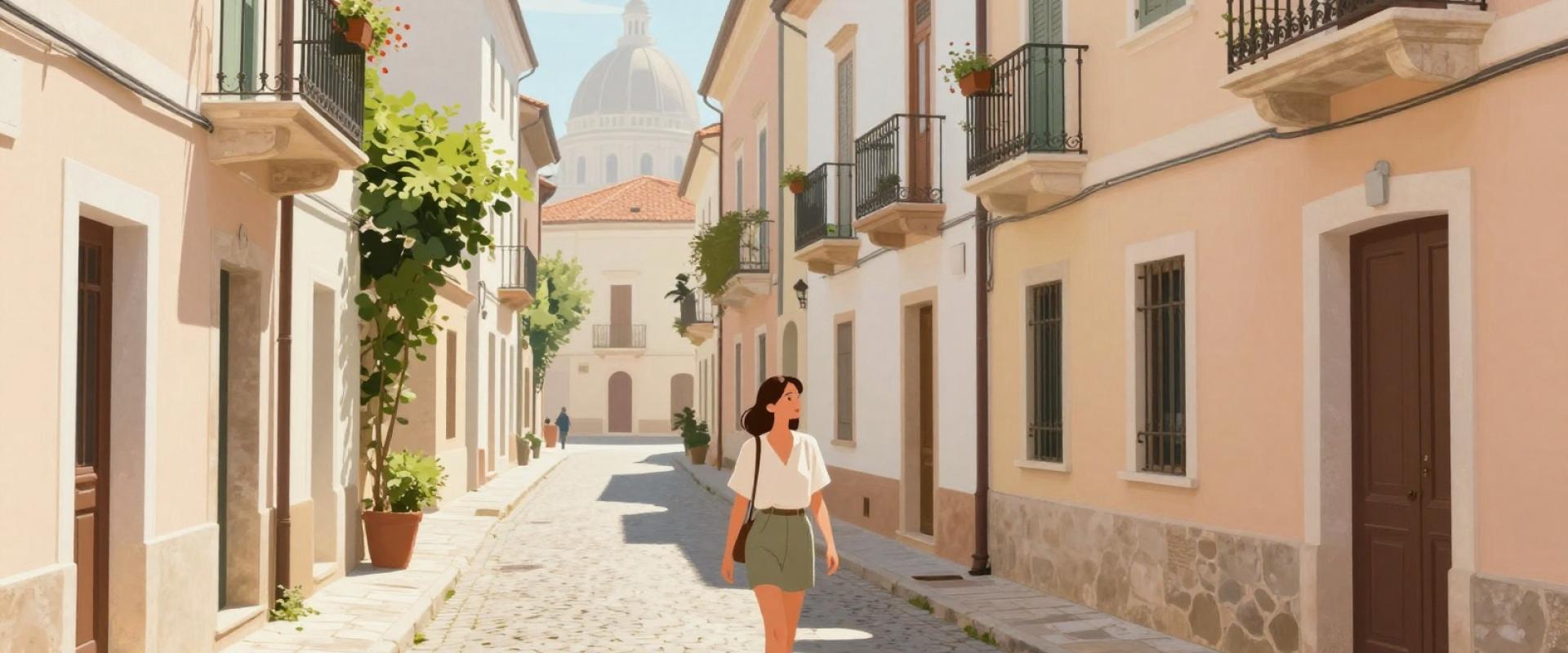
The Silent Vigilance of Cobblestones
Vienna does not rush. It glides.
There is a distinct lack of urgency in the air, a luxury that allows you to walk without scanning the horizon for threats. This ease is not accidental; it is the residual echo of centuries of imperial order. The Habsburgs prioritized structure, creating a grid of civility that feels less like surveillance and more like a protective embrace. Today, that legacy manifests as safety.
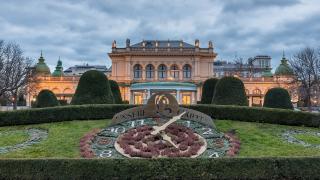
Security here is invisible. It lives in the rhythm of the streets rather than in visible barriers. You notice the intricate stucco of baroque facades instead of potential dangers. A guard stands near the Hofburg, not as a deterrent, but as a fixture of the landscape. Traffic flows with mathematical precision at intersections. These small, unobtrusive details create a shield. You can focus on the architecture. The city watches over you with a quiet promise: walk freely. Breathe deeply. Enjoy the moment.
Salons of Sound and Stone
Cobblestones in Vienna hum beneath your feet, a low-frequency reminder that you are walking through living history. At The Circle hostel, the air is thick with the rich aroma of Melange coffee. Here, travelers from disparate continents trade tales in vibrant lounges, bridging gaps that geography usually enforces.
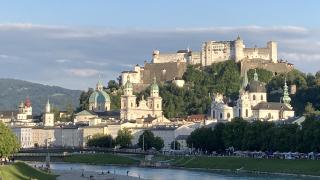
Move toward Salzburg, and the tempo slows. Intimate boutique hotel salons offer quiet corners for reflection, a stark contrast to the bustling streets outside. Culture here acts as a universal language. Whether you are catching an opera at the Staatsoper or stumbling upon an impromptu street festival, shared experiences dissolve barriers. This collective appreciation for art and architecture fosters Gemütlichkeit—a cozy, communal warmth that is difficult to replicate elsewhere. Strangers become companions, bound not by a shared itinerary, but by the simple joy of being present in a city that feels undeniably alive.
A Symphony of Solitude
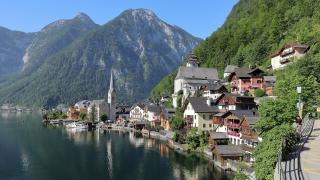
Vienna’s cobblestones do more than echo footsteps; they set a rhythm for the independent traveler. Start your journey on the scenic train to the Wachau Valley. An €18.80 day ticket grants access to Dürnstein’s baroque ruins, freeing you from the pressure of a tight schedule.
Beyond the capital, the ÖBB network operates with such clockwork precision that you can hop between remote Burgenland villages without stress. This reliability extends to dining, where eating alone is not just accepted but normalized. You can sit in grand halls surrounded by imperial architecture, enjoying the quiet dignity of the space while locals respect your independence.
This seamless infrastructure removes the friction of group travel. You gain the freedom to craft an itinerary that breathes at your own pace, turning a solo trip into a deeply personal exploration rather than a checklist of sights. Solo dining is entirely normal; you may dine alone in grand halls without a second glance, finding comfort in the quiet dignity of the surroundings. This freedom allows you to compose your own rhythm, free from the constraints of group schedules.
Echoes in the Hall of Mirrors
Step into Schönbrunn’s Hall of Mirrors and notice how every reflection sharpens your sense of self. The polished surfaces do not just show your face; they amplify the quiet confidence growing within you. Vienna’s secure streets make this kind of introspection effortless.
Wander toward Café Central and order a Melange for just €4.50. Watch life unfold from your corner table, observing the interplay of light and shadow on marble pillars. The city’s charm does not shout; it lingers. You will carry that refined atmosphere back home, woven into your daily rhythm. Solitude here is not lonely—it is where you finally hear yourself think.