Hall in Tirol
Historic salt mining town east of Innsbruck with mint and castle
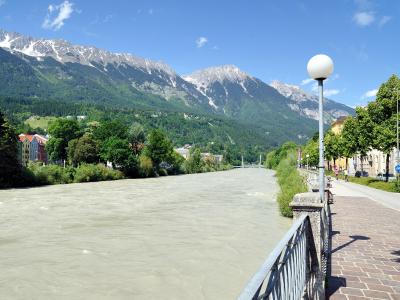
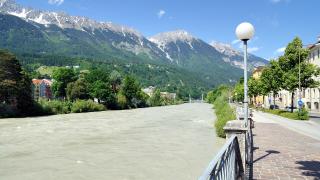
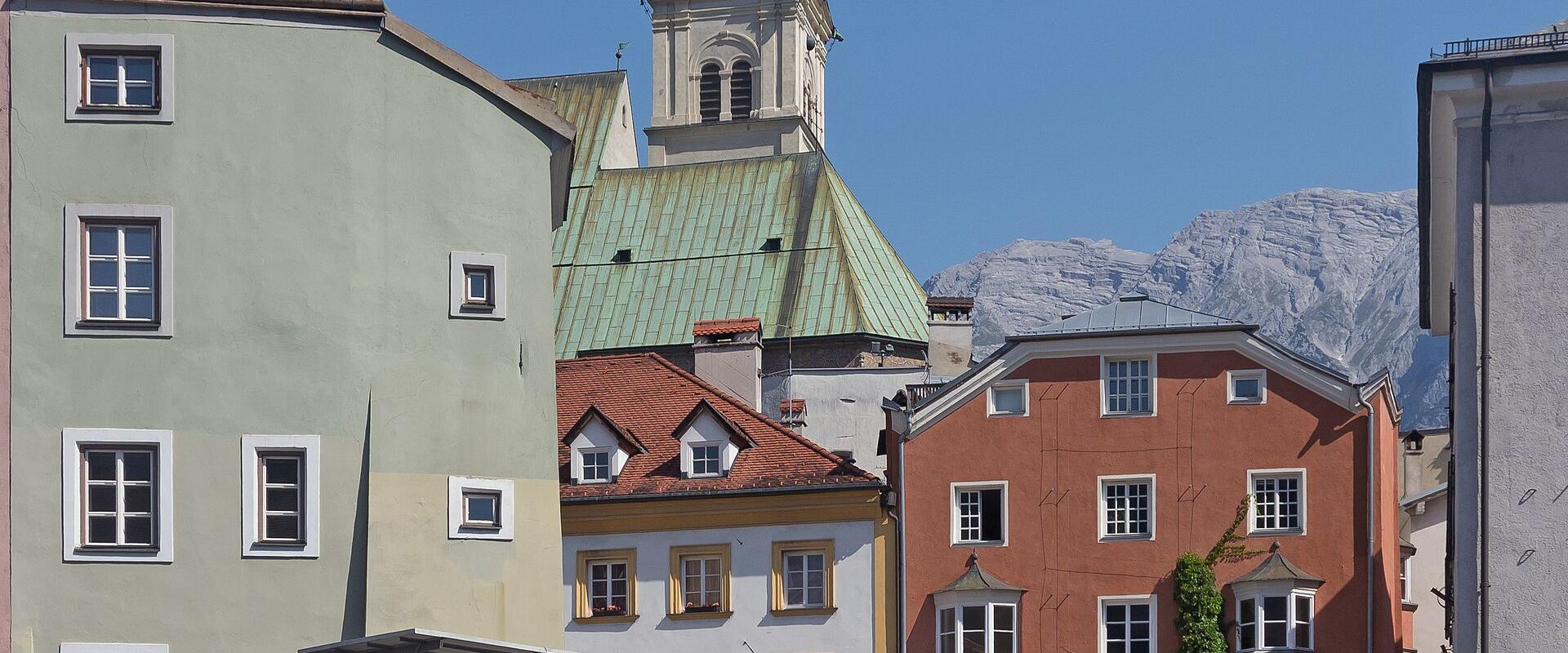
Hall in Tirol lies on the north bank of the Inn, about 10 kilometres east of Innsbruck, at the foot of the Karwendel range. The town's name, Hall, derives from an old word for salt, and salt is the key to its history. The deposits in the Halltal, a valley running north into the mountains, were exploited from the Middle Ages, and the brine was boiled in pans in the town, using wood from the forests that came down the Inn. Hall became one of the richest towns in the Habsburg lands of the Holy Roman Empire, with Salt as the source of income, and the Roman roads along the Inn were older still.
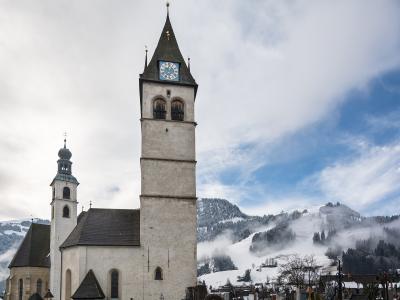
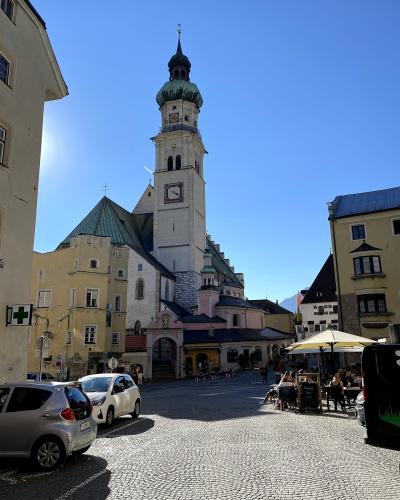
The old town is the best-preserved medieval centre in Tyrol, a maze of narrow lanes and small squares, with hardly any modern buildings. The Upper Square and the Lower Square are lined with houses with arcades, oriel windows and decorated façades, many dating from the fifteenth to eighteenth centuries, and the layout reflects the town's role as a river port and trading place. The Gothic Parish Church of St. Nicholas, a large hall church with a tall tower, dominates the centre, and its interior has altars and wall paintings from several periods. The old town is pleasant to explore on foot, with small cafes, bakeries and shops.
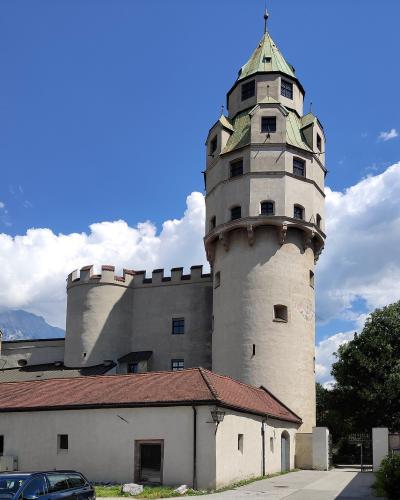
Hasegg Castle, Burg Hasegg, is the other main sight. It was built in the thirteenth century as a fortress and later became the home of the imperial mint, the Münze Hall, where in 1486 the Archduke of Tyrol began striking the Guldengroschen, a large silver coin that became the model of the Thaler and, through it, of the dollar. The castle's Mint Tower, the Münzerturm, rises above the roofs and can be climbed for a view of the old town, the Inn Valley and the mountains. A Museum in the castle explains the minting process, and visitors can strike their own coin by hand. Check opening times in advance.
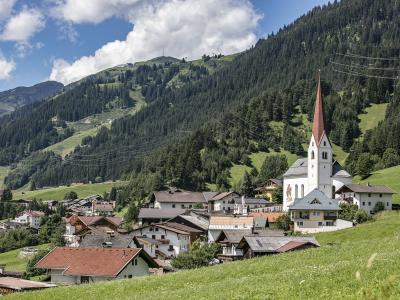
The salt mine, the Salzbergwerk Hall, is a few kilometres away in the Karwendel Nature Park. Guided tours lead into the old galleries, with miners' costumes, wooden slides and a salt lake, and explain how the trade shaped the region. The surrounding Halltal also provides walks to alpine huts and a mountain church in the mountains. Another museum in town, the Stadtmuseum, covers local history.
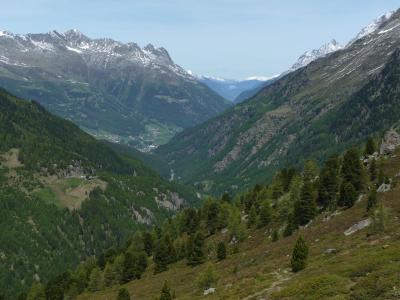
The Alps are close. To the south, across the Inn valley, rises the Patscherkofel, with a cable car from Igls and the Zirbenweg, a high trail that leads through forests of Swiss stone pine, the Zirbe, with views of the Stubai and Zillertal Alps. To the north, the Karwendel offers hiking and climbing in a limestone range, and the Nordkette above Innsbruck can be reached in 20 minutes. Cycling along the Inn is easy, with the Inn cycle path running through the town.
The calendar includes concerts, a summer Festival and a Christmas market in the old town, which has a medieval atmosphere. Food is Tyrolean: Tiroler Gröstl, a pan of potatoes, bacon and egg; Kaiserschmarrn, a shredded pancake with fruit; Kasnocken; and dumplings in many forms. Local bakeries sell Zelten, a fruit bread of the season.
The best time to visit is from June to September for walking and cycling, with the summer evenings pleasant in the old town. December has the market and snow in the mountains. August is the warmest month, and spring and autumn are quiet.
Getting there is simple. The S-Bahn Tirol links Hall with Innsbruck in about 10 minutes, with frequent service, and regional trains continue along the Inn Valley to Jenbach and beyond. By car, the A12 Inntal Autobahn passes Hall, with an exit at Hall-Wattens, and the old town has limited parking. Munich in Germany is about two hours away, Vienna about five hours. The town lies in the Innsbruck-Land district, and the Inn River runs below the old town.
Best Time to Visit
Visit from late June to late August for warm weather ideal for hiking and exploring the old town.
Plan Your Visit to Hall in Tirol
Essential travel tips and information for your trip to Hall in Tirol.
Suggested Itineraries
Discovering Hall in Tirol
1 dayMedieval minting history and Baroque churches in Hall in Tirol
View ItineraryTravel Tips
Currency
EUR • Cards widely accepted
Language
German • English in tourist areas
WiFi
Free WiFi in cafes and hotels
Explore Hall in Tirol by Interest
Discover attractions and experiences in Hall in Tirol organized by your interests and travel preferences.
All attractions in Hall in Tirol
Sorted by our recommendation score
Quick Facts
Book your stay
Frequently Asked Questions
More destinations in Tyrol
Explore other amazing places in the Tyrol region