Leoben
Historic mining town and university center in Styria
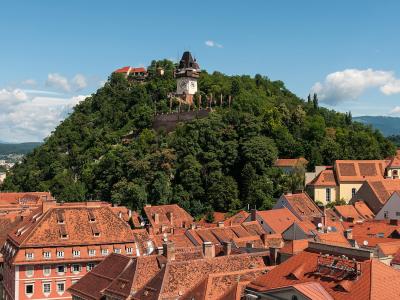
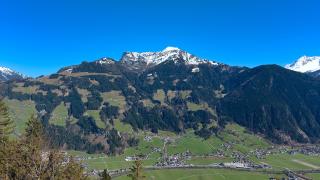
Leoben lies in the Murtal at about 540 metres, on a narrow peninsula formed by a hairpin loop of the Mur, with the old centre on the higher ground in the middle and the university and industry on the outskirts. Alpine forested mountains rise on all sides: the Gleinalpe to the south, the Eisenerz Alps to the north and the Seckau Alps to the west.
The city's name has a debated history. Scholars connect the name Leoben with a Slavic root meaning dear or beloved, and the settlement is first mentioned in the tenth century. City rights followed in the thirteenth century, and the town became an important centre of the Styrian iron trade, earning the nickname of City of Mining. The ore came from the Erzberg at Eisenerz, and Leoben provided smelting, trade and administration. This mining tradition goes back to the Middle Ages and still shapes the city.
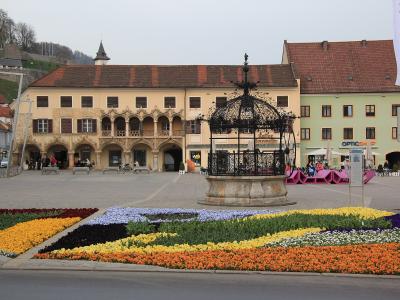
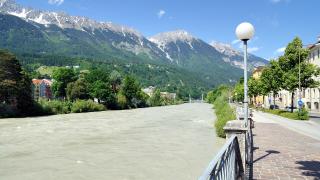
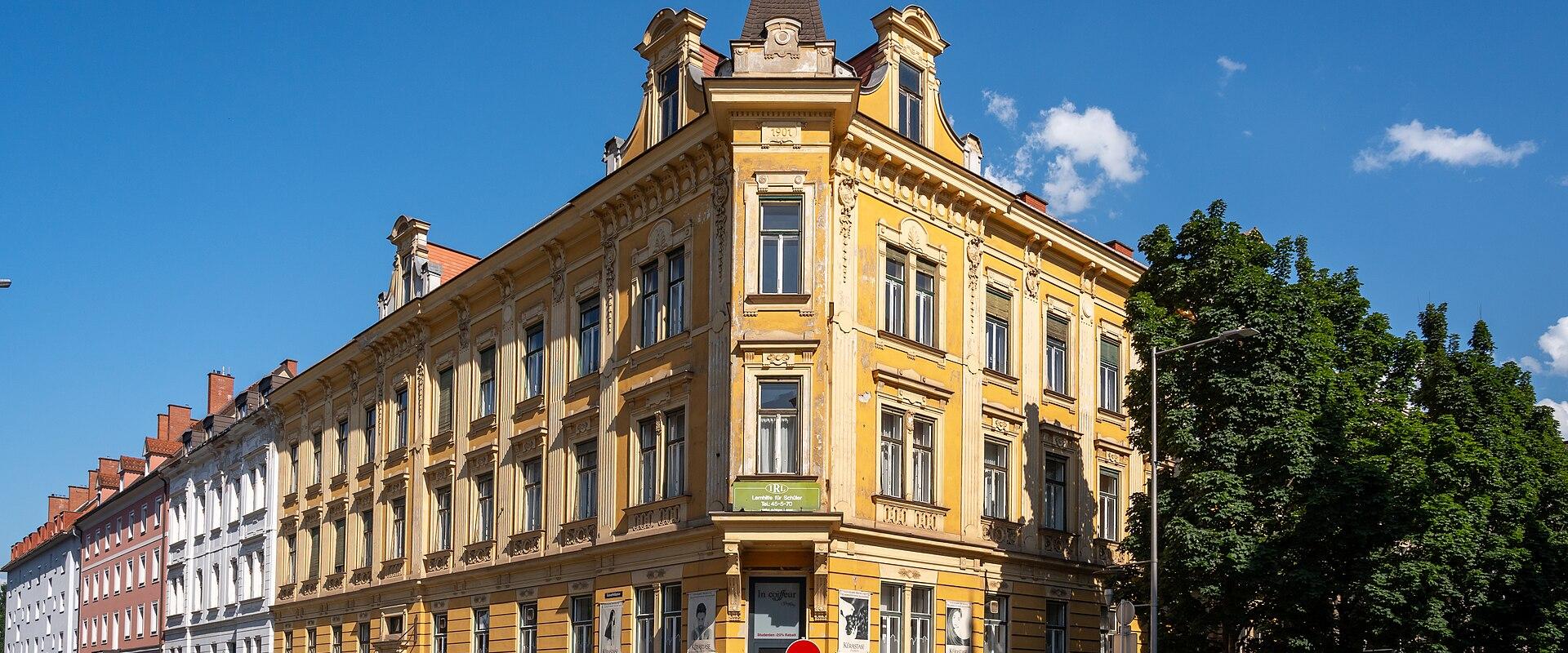
The old town is compact, built around the long Hauptplatz. In the centre stands the Pestsäule, the Pest Column, a Baroque monument of the eighteenth century erected after a plague outbreak, and the Rathaus, the Town Hall, with Gothic elements, is another landmark. Several burgher houses with arcades and painted façades line the square, among them the Hacklhaus, a historic building. The Jesuit church and the Gothic parish church add to the old town's skyline. The University Library, a modern building, is a contemporary note. A pleasant riverside path follows the Mur around the old town.
The Montanuniversität Leoben, the University of Mining, was founded in 1840 in nearby Vordernberg and moved to Leoben in 1849. It remains one of the leading institutions in the world for mining, metallurgy and materials science, and it gives the city a student population of about 3,000. Its buildings stand in the north of the city, and the campus includes a mineral museum. The Mining Museum, the Bergbaumuseum, in the old town, presents the history of mining with interactive exhibits, tools and reconstructions of workplaces, and it is a good stop for families.
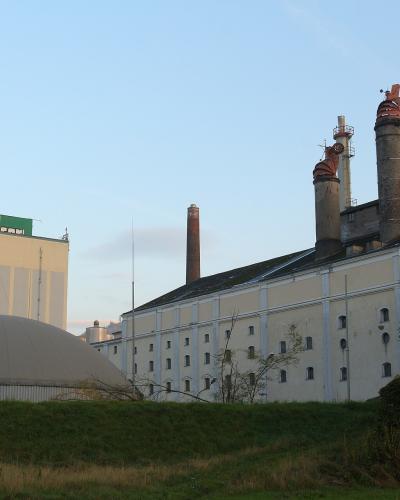
Beer is another local tradition. The Gösser Brewery, founded by monks and now part of a large group, brews in the Göss district, and the Gösseum, a museum in the former abbey buildings, explains the history of the brewery and the monastery, with a tasting at the end. It is one of the better brewery museums in Austria.
History enthusiasts will also want to know that in April 1797, Napoleon and the Austrian envoys signed the preliminaries of the Peace of Leoben, which ended the war of the First Coalition for a time, and the event is recalled in the city. A plaque and an exhibition give details.
Outdoors, the surroundings are inviting. The Mur cycle route runs through the city, and the hills offer walking trails and mountain biking routes. In winter, the nearby Präbichl ski area and the larger Schladming-Dachstein region, accessible by train and bus, provide skiing, and the city itself has an ice rink and indoor sports facilities. The Erzberg, the iron-ore mountain at Eisenerz, with its stepped open-pit mine and guided tours, is about 40 minutes by car.
Food is Styrian. Pumpkin seed oil, Backhendl, Sterz and hearty soups appear on menus, together with Gösser beer and local wines from southern Styria. Cafes serve cakes, and inns in the old town offer traditional meals.
The best time to visit is from May to October for walking and cycling, with August the warmest month and October clear and calm. March and December are good for skiing and Advent markets, and winters are cold.
Getting to Leoben is easy. The city has a Hauptbahnhof on the main line between Vienna and Graz, with direct trains from Graz in about 45 minutes and from Vienna in around two hours. By car, the A9 Pyhrn Autobahn and the S6 expressway pass near the city, with Vienna about two hours away and Salzburg about two and a half hours via the Tauern Autobahn, the A10, and connecting roads. Germany lies about four hours to the north-west. Local buses and the walking-friendly centre make it easy to get around.
Best Time to Visit
Visit from May to October for hiking and outdoor activities, or December to March for skiing in the nearby Alps.
Did you know?
Interesting, verified facts about Leoben
The 1797 Armistice Signed Here
HistoryThe Peace of Leoben, an armistice between Austria and France, was signed in the city in 1797. This agreement served as the preliminary treaty to the subsequent Treaty of Campo Formio.
Source: external sourcePlan Your Visit to Leoben
Essential travel tips and information for your trip to Leoben.
Suggested Itineraries
Travel Tips
Currency
EUR • Cards widely accepted
Language
German • English in tourist areas
WiFi
Free WiFi in cafes and hotels
Explore Leoben by Interest
Discover attractions and experiences in Leoben organized by your interests and travel preferences.
All attractions in Leoben
Sorted by our recommendation score
Quick Facts
Book your stay
Frequently Asked Questions
More destinations in Styria
Explore other amazing places in the Styria region