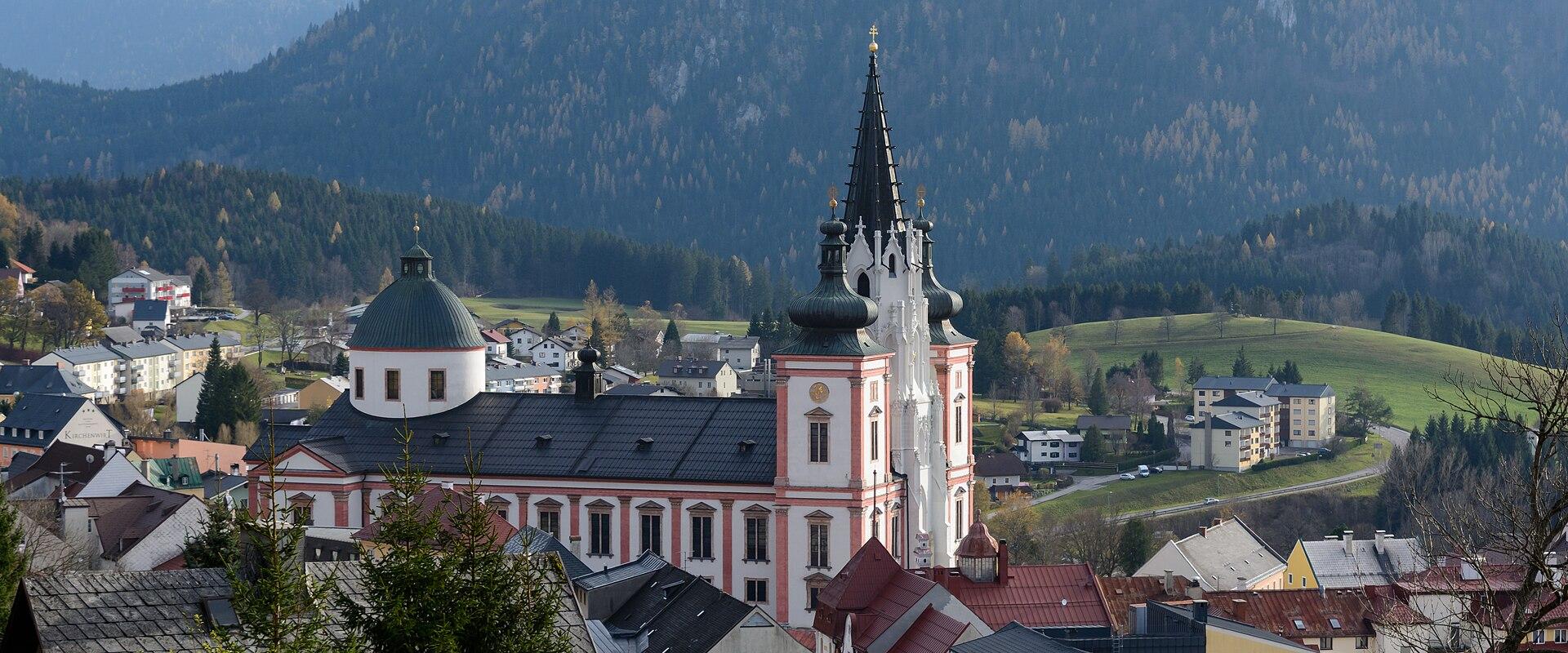
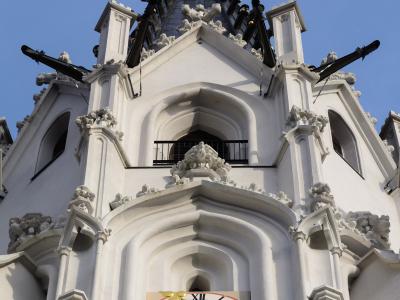
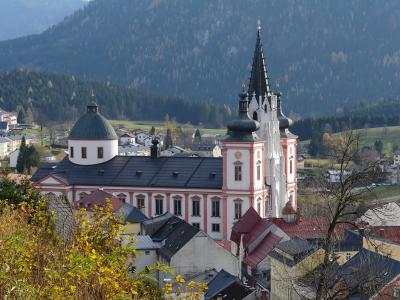
Mariazell's identity rests on the Basilica and the image it contains. According to the founding tradition, the Benedictine monk Magnus of St. Lambrecht arrived in 1157 with a limewood statue of the Virgin and settled in a cell on the site. A chapel followed, then a church, and in the fourteenth century the Hungarian king Louis I rebuilt it in Gothic style after attributing a military victory to the Virgin's help. The church was enlarged and recast in the seventeenth century, when Baroque additions gave it its present silhouette of a central Gothic spire flanked by two Baroque towers. The result is a building that mixes periods but reads as one coherent whole.
Inside, the focus is the Gnadenkapelle, the Chapel of Grace, a small silver-fronted shrine where the miraculous image stands. Pilgrims queue to light candles and pray, and the atmosphere changes noticeably when a group arrives singing. The nave has frescoes, side altars and rich furnishings, and the Basilica's Treasury, the Schatzkammer, displays votive offerings and objects given over the centuries by rulers, noble families and ordinary pilgrims. Mariazell has long been called the Magna Mater Austriae, the Great Mother of Austria, and also had strong links to Hungary and the Slavic regions of the old monarchy.
Pilgrimage still shapes the year. The biggest events fall around the major Marian feasts in spring and late summer, and then the town fills with groups on foot and in buses. Long-distance walking routes lead to Mariazell from Vienna, Graz and other towns; the trails are often grouped under the name Via Sacra, and many walkers cover the last stage on foot into the town centre. The Pilgrim Museum presents the history of these journeys, with objects, prints and documents that show how the practice evolved.
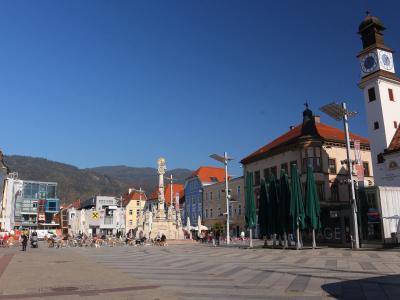
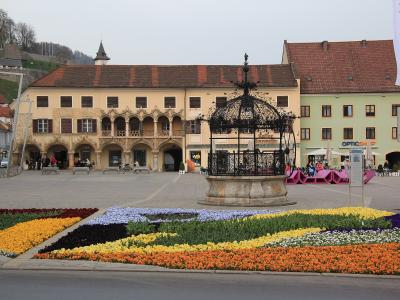
The town itself is small and walkable. Stiftsgasse leads directly to the Basilica, lined by shops that sell candles, rosaries, carved wood and Lebzelten, the local gingerbread tradition, along with honey products and fruit liqueurs. The Market Square, Marktplatz, is the civic centre with cafes and inns, and benches face the church. In a few streets you will still see old burgher houses with painted fronts. Mariazell also has a memorial to the Kaiserjäger, the imperial hunter regiments, a reminder of the military history of the empire.
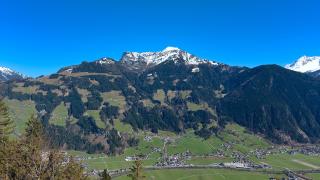
The landscape around the town is part of its appeal. Wooded hills and meadows spread in every direction, and the Bürgeralpe above the town is reached by cable car, giving views of the Styrian Alps and opening trails for walking in summer and skiing in winter. Further walks lead to the Erlaufsee, a lake used for swimming and rowing in summer. Across the provincial border, the Ötscher-Tormäuer Nature Park offers gorges, rock walls and long hikes beneath the Ötscher mountain. A small Alpine garden and nature park areas also exist in the district, adding options for quiet half-days outdoors.
The Mariazellerbahn is a narrow-gauge railway that runs from St. Pölten to Mariazell through the Pielach valley, passing small stations and forested slopes. Its combination of old rolling stock and modern railcars makes the trip a destination in itself. A wellness and spa facility is listed in the town for those who want to relax after a long walk, though visitors should check what is currently open.
Food is regional and seasonal. Honey, gingerbread and liqueurs are the classic souvenirs. Menus in inns offer Styrian dishes such as pork roast, dumplings, game in autumn and trout from local streams, and cafes serve strudel, Linzer Torte and sweet pastries.
The best months for a visit are May to October for walking and the summer pilgrimage season, with September and early October bringing colour and fewer visitors. Winter has its own appeal, with snow, Advent markets and skiing nearby. Mariazell is about two hours from Vienna or Graz by car and accessible by public transport with a change in St. Pölten or Bruck an der Mur.
What to see in Mariazell
Our picks first.
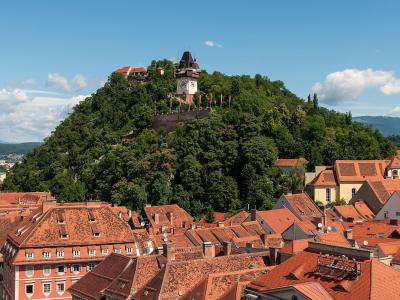
Schlossberg
Austria's first basilica minor, home to the Magna Mater.
Free History & Heritage · Natural Wonders
Basilica of Mariazell
Austrian pilgrimage basilica and Benedictine monastery
Architectural Highlights · Historic Houses
Stiftsgasse
Historic street in Mariazell, Austria
Food & Gastronomy · History & Heritage
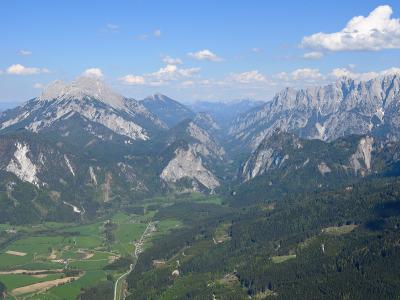
Ennstal Alps Nature Park
Historic pilgrimage site in the Ennstal Alps
Adventure & Activities · Natural Wonders
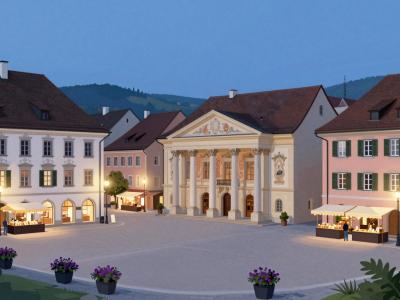
Mariazell Market Square (Marktplatz)
Historic market square in Austria's oldest pilgrimage site
City Centers · Public Squares
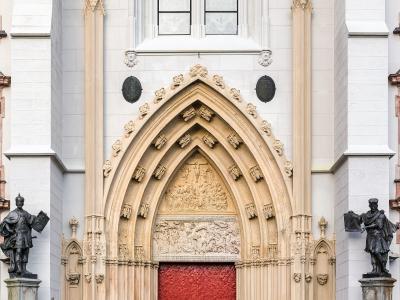
Mariazell Art Gallery
It is not possible to create a factual tagline for the "M...
From €6 History & Heritage · Museums & Art
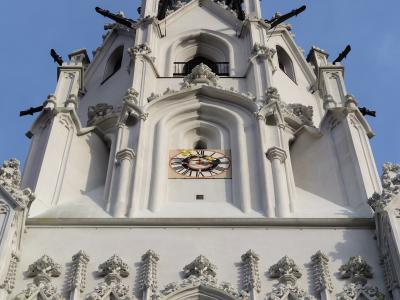
Mariazell Pilgrim Museum
Museum of Austria's oldest Marian pilgrimage site
History & Heritage · Museums & Art
Mariazell by interest
The same sights, grouped by what you came for.
Did you know?
Checked facts about Mariazell, each with its source.
-
History
Mariazell Traces Its Founding Legend to 1157
According to legend, in 1157 the Benedictine monk Magnus set out from St. Lambrecht Abbey carrying a statue of the Virgin Mary; when a rock blocked his path it split open, and he built a small 'cell' on the spot -- the origin of the name Mariazell.
Source: Steiermark Tourismus (official Styria tourist board)
Planning a visit to Mariazell
Good to know
- Currency
- EUR
- Language
- German