Villach
Alpine gateway city in Carinthia with lakes and mountains
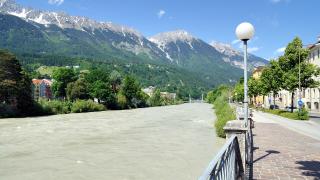
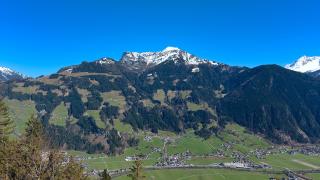
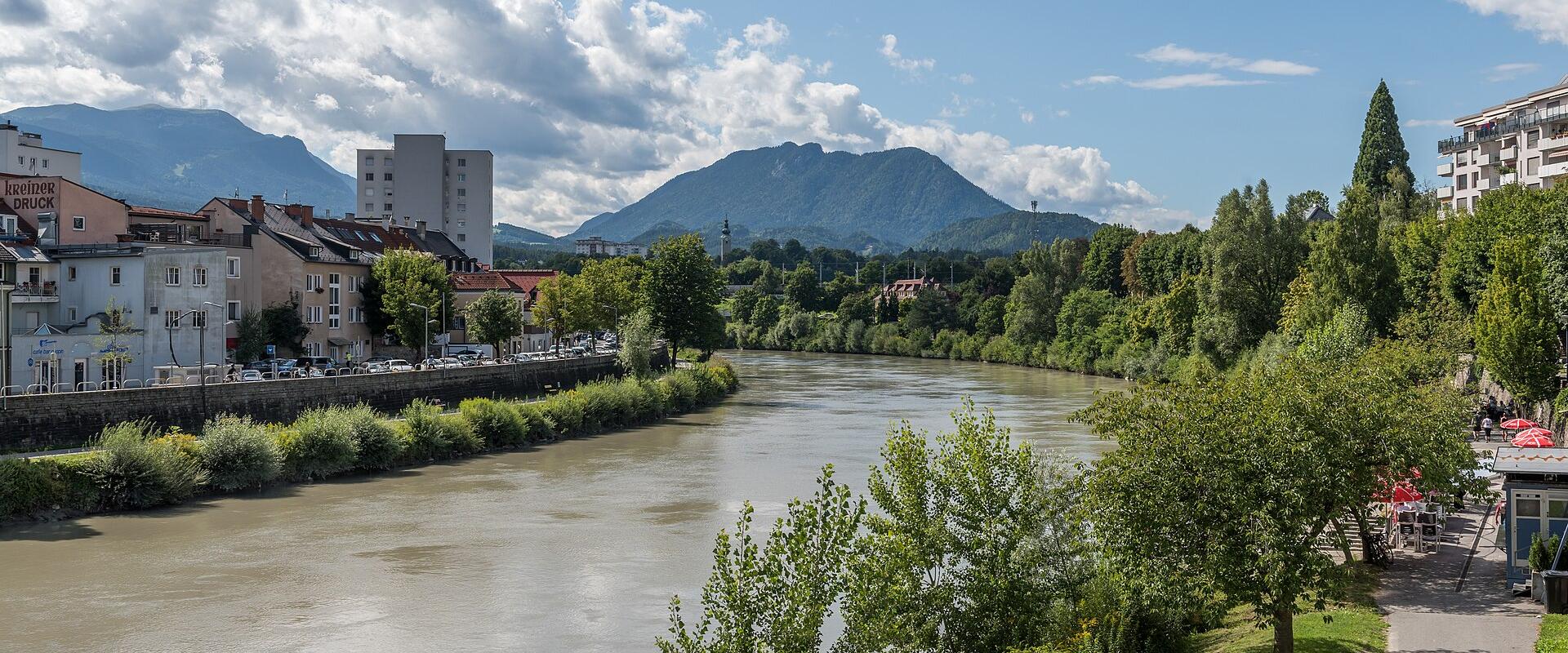
Villach occupies a wide, flat basin in southern Carinthia, where the Drau, or Drava River, leaves its Alpine valley and the Gail joins it from the west. Mountains surround the city on all sides: the Karawanks form the southern wall toward Slovenia, the Julian Alps rise beyond them, and the Dobratsch, also known as the Villacher Alpe, towers to the west. This position has made Villach a crossroads for centuries. Roads and rails from Italy, Slovenia, Salzburg and Vienna meet here, and the city calls itself the gateway between Northern and Southern Europe.
The history goes back to Roman times, when a settlement called Santicum lay near the thermal springs of what is now Warmbad Villach, southeast of the centre. The medieval town grew on the river as a trading place, with a bridge over the Drau, and in 1060 it became part of the bishopric of Bamberg, which held it for centuries. City rights followed in the thirteenth century, and Villach prospered through trade in iron, salt and later industry, and Austrian state rail brought new life in the nineteenth century. Much of the old town was damaged by an earthquake in 1348 and by fire, but it was rebuilt.
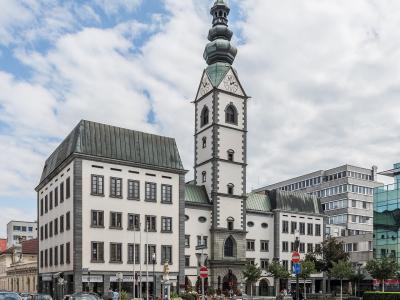
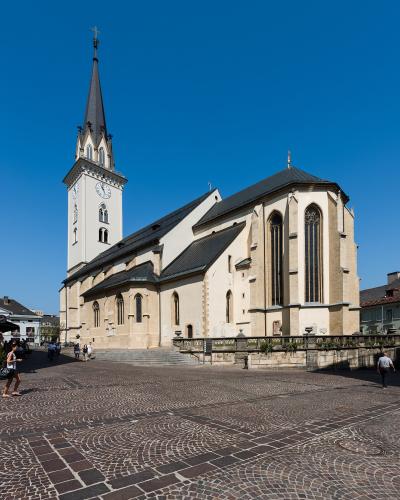
The Old Town is compact, built around the long Hauptplatz and the bridge over the Drau. The Parish Church of St. Jacob, the Stadtpfarrkirche St. Jakob, dominates the skyline with a Gothic tower that is among the tallest in Carinthia, and the church can be climbed in season for a view. Nearby, the Town Hall and historic houses with arcades and courtyards line the pedestrian streets, and the Paracelsus house recalls the physician Paracelsus, who spent his youth here. The Giant Relief of Carinthia, a large scale model mentioned in local guides, belongs to the same quarter; check where it is shown before you go. Cafes and shops fill the old streets, and the weekly market and the Villach Christmas Market add to the life of the square.
Thermal water is another long-standing attraction. The Kärnten Therme at Warmbad Villach, a Spa complex in the southern part of the city, offers pools, saunas and treatments using water from local springs at around 30 degrees Celsius. The thermal spa has pools indoors and outdoors with views of the mountains, and it is a relaxing break after a day of hiking or sightseeing. Opening hours and prices vary, so check ahead.
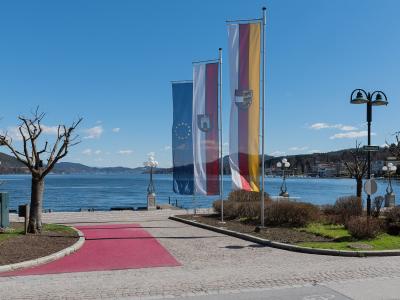
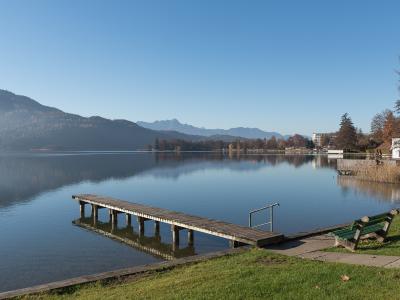
The lakes are the highlight of the summer. The Faaker See, southeast of the city, is small, clear and known for its turquoise water and views of the Mittagskogel. The Ossiacher See, to the northeast, is longer, with beaches, a lakeside cycle path and the old Ossiach Abbey on its shore, where Festival events such as the Carinthian Summer take place in July and August. Swimming, sailing, stand-up paddling and fishing are all available, and boat trips run in season.
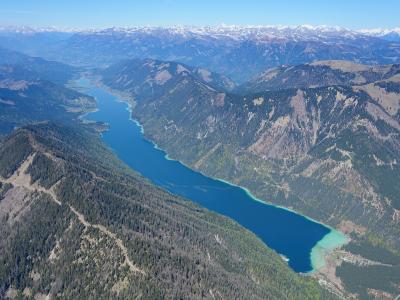
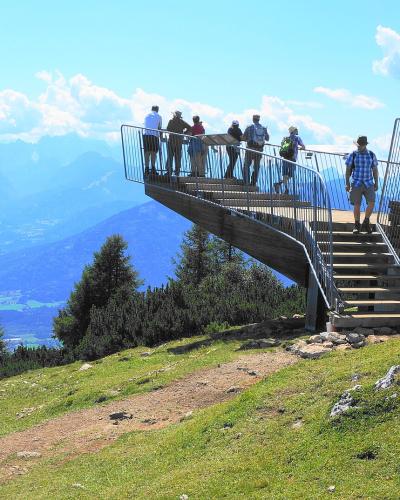
A few minutes from the city, the Dobratsch Nature Park offers a very different landscape. The Villacher Alpe, as the mountain is called locally, can be climbed or reached by a toll road to high alpine meadows, with a summit panorama over the Gailtal, the Karawanks and Italy. A rockfall in 1348 shaped the valley, and the area is rich in plants and butterflies. In the east, the Nockberge Mountains offer gentler, rounded summits for walking, and in winter ski areas such as the Gerlitzen, above Ossiacher See, and Dobratsch attract skiers. Another curiosity is Monkey Mountain, the Affenberg near Landskron, where Japanese macaques live in a semi-wild park; visitors walk among the animals. The Landskron castle ruin above the park has a view over the lake and a falconry show.
The city also stages festivals. The Villacher Fasching, or carnival, is one of the largest in Austria, and the Villacher Kirchtag in early August is a big folk festival. Food is Carinthian, with Kasnudeln, Reindling and fresh lake fish, and Italian and Slovenian influences are strong, so many menus include pizza, pasta and Slovenian-style dishes.
The best time to visit is from late June to early September for swimming and hiking, with July and August the peak. Spring and autumn are milder and quieter, and winter has skiing and the Christmas market.
Getting there is easy. Villach Hauptbahnhof is a major rail hub with direct trains from Vienna in about four hours, from Salzburg in about two and a half hours and from Munich, plus connections to Italy and Slovenia. By car, the A2 and A10 motorways meet near the city, and the Karawanks Tunnel leads to Slovenia, with Italy a short drive to the south through Arnoldstein. Local buses reach the lakes, the Dobratsch and the ski areas.
Best Time to Visit
Visit from late June to early September for warm weather ideal for swimming and hiking, or winter for skiing.
Plan Your Visit to Villach
Essential travel tips and information for your trip to Villach.
Suggested Itineraries
Travel Tips
Currency
EUR • Cards widely accepted
Language
German • English in tourist areas
WiFi
Free WiFi in cafes and hotels
Explore Villach by Interest
Discover attractions and experiences in Villach organized by your interests and travel preferences.
All attractions in Villach
Sorted by our recommendation score
Quick Facts
Book your stay
Frequently Asked Questions
More destinations in Carinthia
Explore other amazing places in the Carinthia region