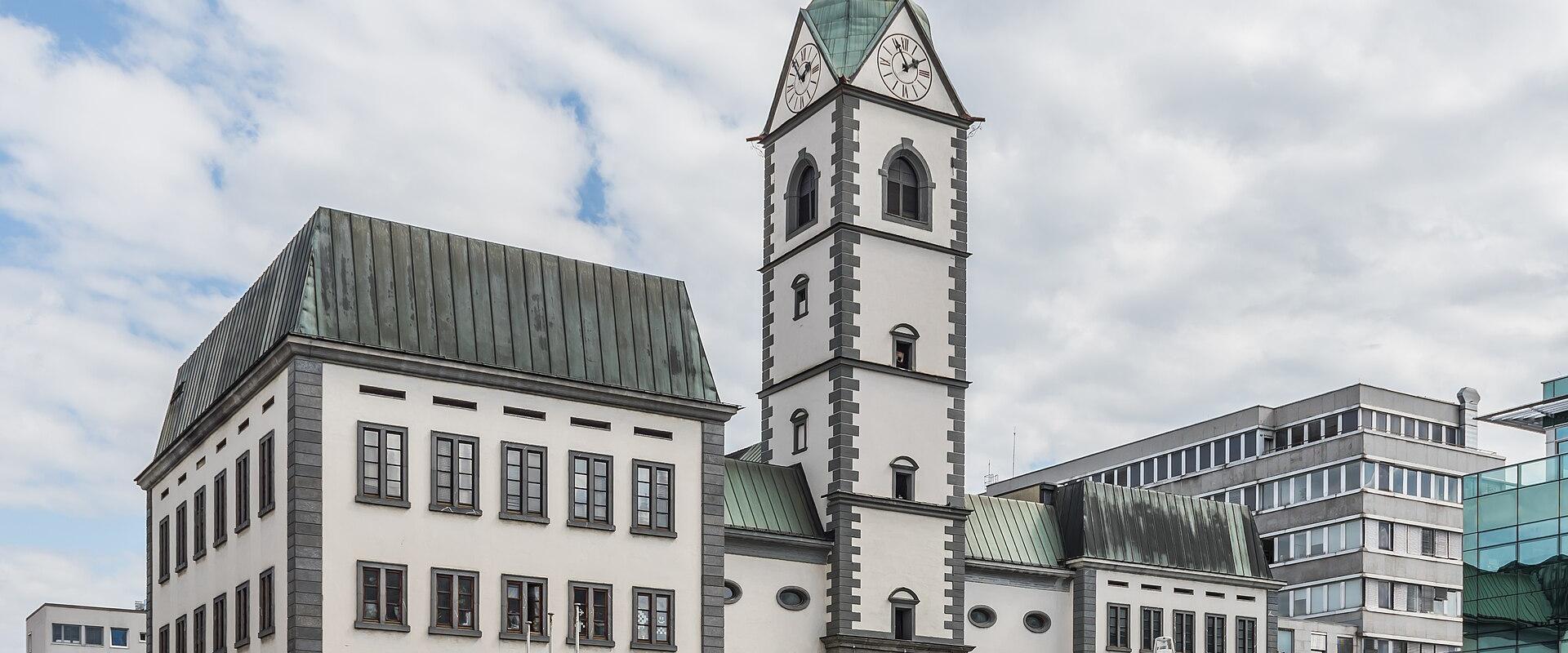
Klagenfurt am Wörthersee
Capital of Carinthia on Lake Wörthersee with medieval old town
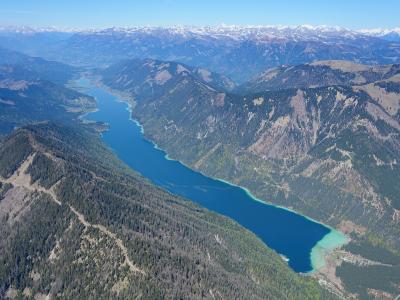
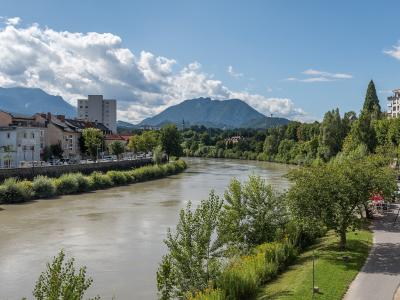
Klagenfurt lies in a wide basin at the eastern end of the Wörthersee, at about 450 metres, with the Karawanken range forming a wall of limestone peaks to the south and the Saualpe and Gurktal Alps farther north. The Glan river runs through the city, and a canal, the Lendkanal, once linked the centre with the lake. About 105,000 people live here, which makes it the largest city in Carinthia and the sixth largest in Austria.
The city was founded in the twelfth century and acquired its present layout after a great fire in 1514, when Emperor Maximilian I gave the town to the Carinthian estates, who rebuilt it as a planned Renaissance city with a rectangular grid, a fortification wall and a moat. The Habsburgs strengthened the town, and the estates, the provincial authority, made it their capital. Large parts of the walls were demolished in the nineteenth century, but the grid of the Altstadt remains.
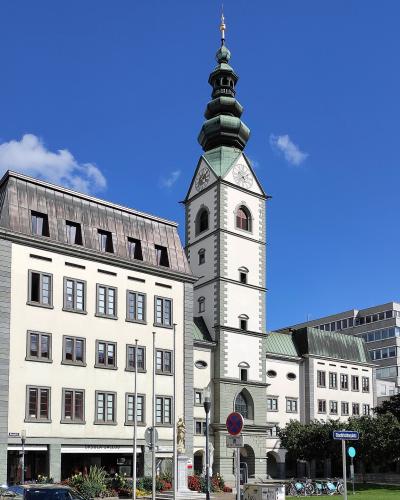
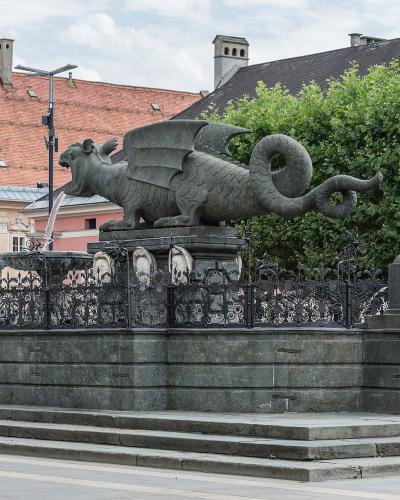
The Old Town, the Altstadt, is the best place to start. The Neuer Platz, the New Square, is the main square, framed by cafes, shops and arcaded houses, and at its centre stands the Lindwurm fountain, the Lindwurmbrunnen, a monument of 1590 with a dragon carved from a single block of stone and a figure of Hercules with a club. According to legend, the founders of the city killed a dragon that lived in the swamp, and the creature became the city's symbol. The Landhaus, a Renaissance building of the late sixteenth century with arcaded courtyards and a hall, the Wappensaal, whose walls are covered with the coats of arms of Carinthian nobility, was designed by Italian architects and is one of the best examples of the Renaissance in Carinthia.
The Cathedral, the Dom, dedicated to St. Peter and Paul, was built as a Protestant church in the late sixteenth century and later converted to Catholic use, with a Baroque interior and a ceiling with painted scenes. The Gothic and Renaissance façades of the old town, and the lanes with their small courtyards, reward slow strolls, and the Volksgarten, a leafy park beside the old town, offers a place to rest.
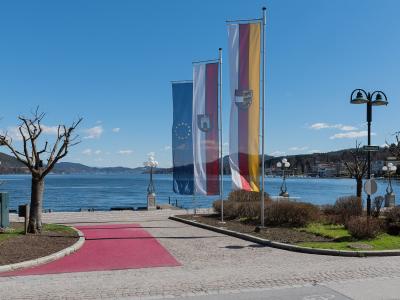
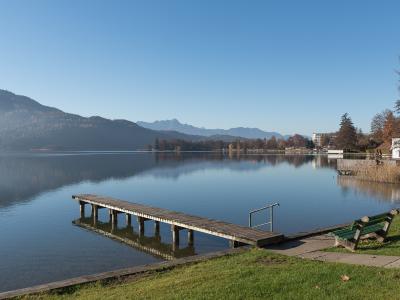
The lake is the great attraction. The Strandbad Klagenfurt, one of the largest lakeside lidos in the Wörthersee region, has a wide beach, lawns, pools and a pier, and swimming is comfortable from June to September. Sailing, stand-up paddling and boat trips are available, and the promenade leads along the shore toward the Europapark. The Wörthersee is one of the warmer Alpine lakes in Europe, a Lake of the Southern Alps, with water temperatures of around 25 degrees Celsius in summer, thanks to its shallow, sheltered basin. Island scenery is limited; Northern Carinthia lies behind the city, but the former island of Maria Wörth, now a peninsula, lies a short boat or bus ride away.
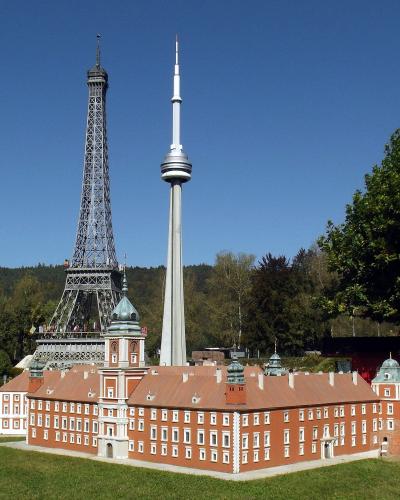
Minimundus, a miniature park by the lake, shows models of some 150 famous buildings from around the world at one-twenty-fifth scale, and it is a favourite with families. Other attractions include a reptile zoo, the Klagenfurt Festival with theatre and music in summer, and a Carinthian Summer Festival of classical music in nearby Ossiach and Villach. A modern stadium, built for the 2008 European football championship, stands near the lake.
Food is Carinthian and strongly seasonal. Kärntner Kasnudeln, fish from the lake, Reindling, a yeast cake with raisins, and Carinthian ham and bacon are the staples, with Slovene and Italian influences visible on many menus. Cafes on the squares serve coffee and cakes. In December, a Christmas market occupies the Neuer Platz and surrounding streets.
The best time to visit is from June to September for swimming and festivals, with July and August hottest. May and September are milder, and autumn colour on the surrounding hills is attractive. In winter, the city is quiet but it is within an hour of ski areas.
Getting there is easy. Klagenfurt Hauptbahnhof has direct trains from Vienna in around four hours, from Salzburg in about three hours and with connections from Munich, and the new Koralm railway link to Graz shortens the journey to Styria. Klagenfurt Airport, with flights to Vienna and several European cities, is about 3 kilometres from the centre, and the A2 motorway passes the city. Local buses and a tourist boat cover the lakeshore.
Best Time to Visit
Visit from mid-June to early September for warm weather ideal for lakeside activities and outdoor exploration.
Did you know?
Interesting, verified facts about Klagenfurt am Wörthersee
Klagenfurt am Wörthersee Has Another Verifiable Detail
HistoryHistorically, Klagenfurt has been a center of trade and administration since the 12th century, with its architecture reflecting various periods, from Gothic to Baroque.
Source: Klagenfurt - WikipediaPlan Your Visit to Klagenfurt am Wörthersee
Essential travel tips and information for your trip to Klagenfurt am Wörthersee.
Suggested Itineraries
Discovering Klagenfurt am Wörthersee
1 dayOne-day exploration of Klagenfurt's old town and Wörthersee
View ItineraryTravel Tips
Currency
EUR • Cards widely accepted
Language
German • English in tourist areas
WiFi
Free WiFi in cafes and hotels
Explore Klagenfurt am Wörthersee by Interest
Discover attractions and experiences in Klagenfurt am Wörthersee organized by your interests and travel preferences.
All attractions in Klagenfurt am Wörthersee
Sorted by our recommendation score
Quick Facts
Book your stay
Frequently Asked Questions
More destinations in Carinthia
Explore other amazing places in the Carinthia region