Carinthia
Southernmost Austrian state with alpine lakes and mountains
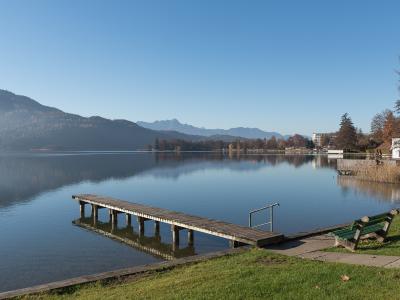
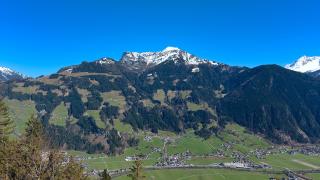
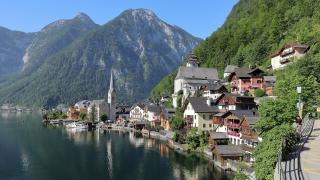
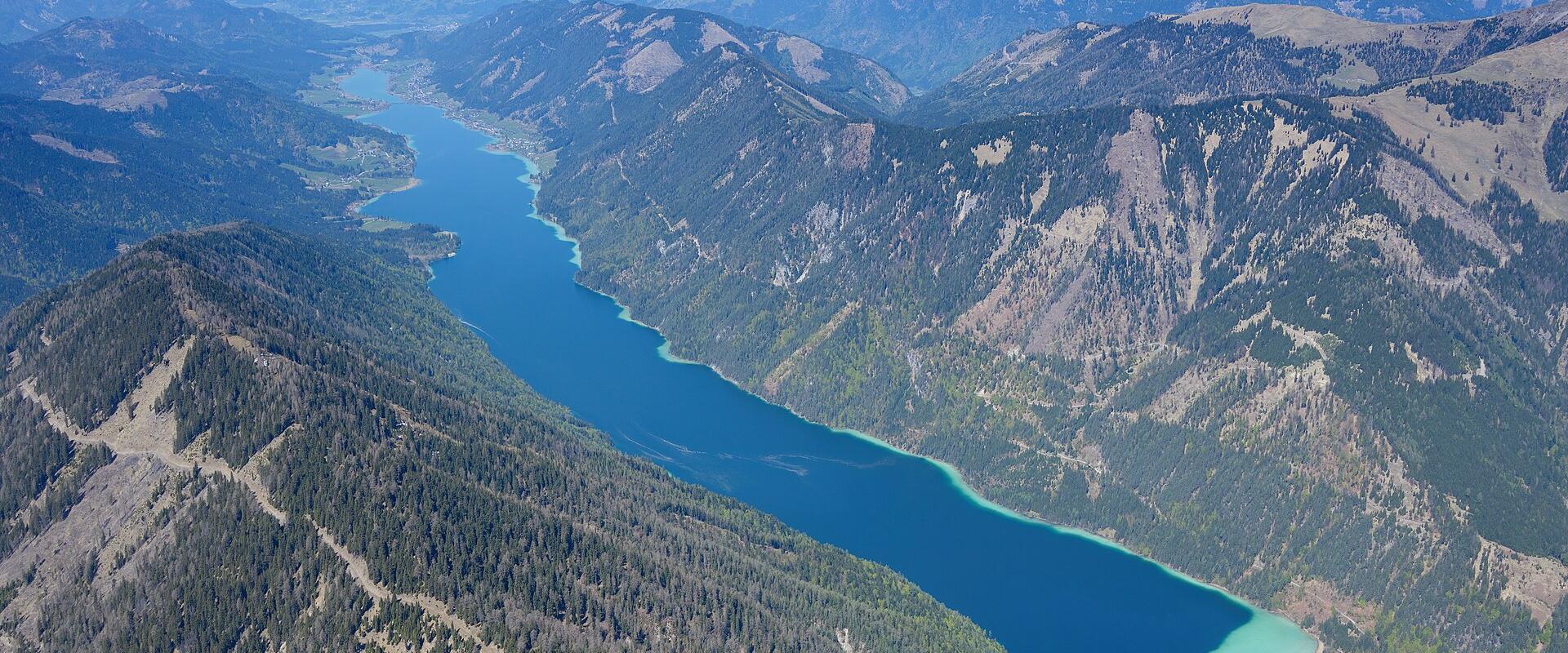
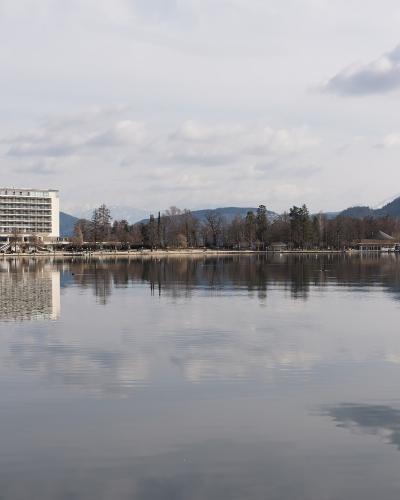
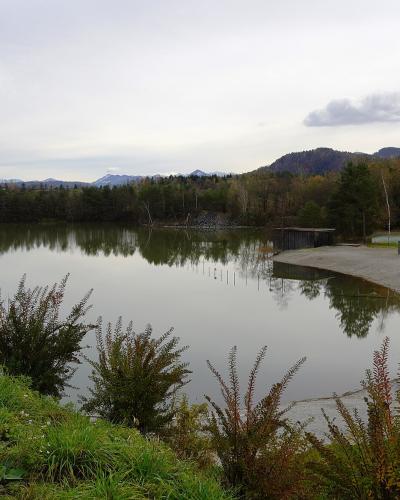
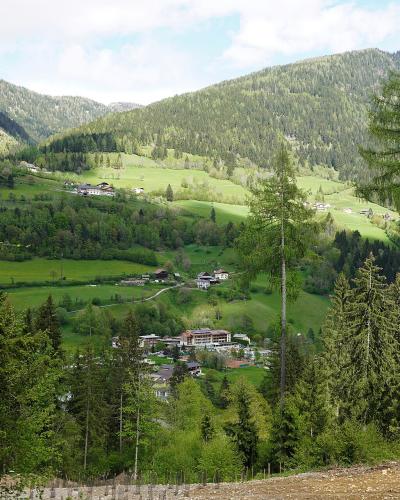
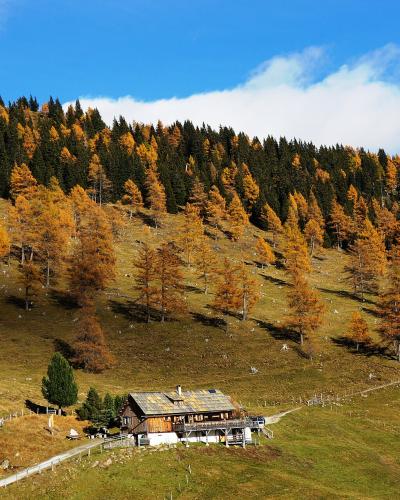
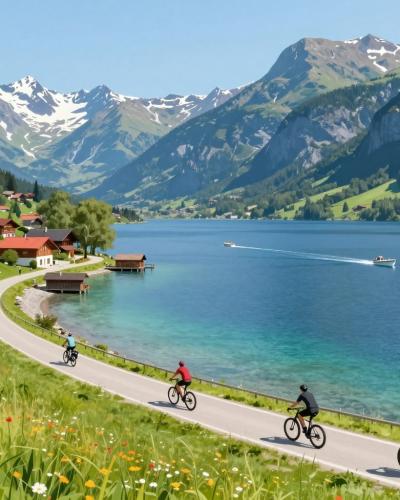
Carinthia, located in the southernmost part of Austria, is a region defined by its dramatic contrast between high alpine peaks and serene lakes. It is the fifth-largest state in Austria, covering an area of approximately 9,536 square kilometers. The geography is dominated by the Hohe Tauern National Park in the west, which contains Austria's highest peak, the Grossglockner, and the Nockberge mountain range in the east. The state is also famous for its more than 60 lakes, including the popular Wörthersee and Millstättersee, which provide a respite from the heat and offer extensive opportunities for swimming, sailing, and boating. The climate is generally milder than in other parts of Austria, influenced by its southern location and proximity to the Mediterranean, resulting in longer summers and milder winters.
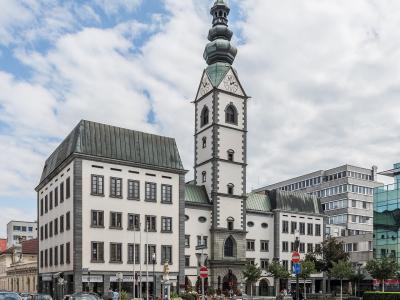
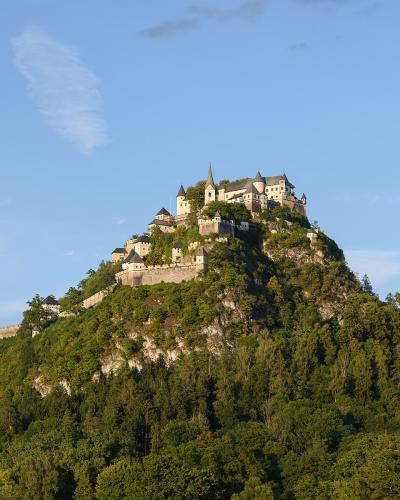
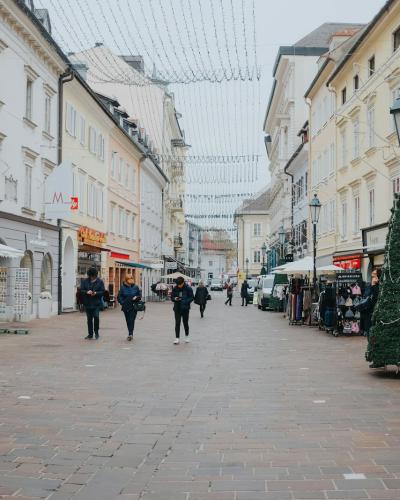
The history of Carinthia is rich and complex, reflecting its position as a crossroads between Germanic and Slavic cultures. The region was inhabited by the Celtic Norici and later the Romans, who established settlements and exploited the local mineral resources. After the fall of the Roman Empire, Carinthia became part of the Duchy of Bavaria and later the Holy Roman Empire. The Slavic Carantanians played a significant role in the region's early history, and their influence is still visible today in the Slovene-speaking communities in the south. During the Middle Ages, Carinthia was a duchy, and many castles and fortresses were built to defend the borders. The Habsburgs ruled Carinthia for centuries, leaving a lasting imprint on its architecture and culture. The state capital, Klagenfurt, has a long history as a trade center and is known for its well-preserved old town and the Lindwurm, a dragon statue that is a symbol of the city.
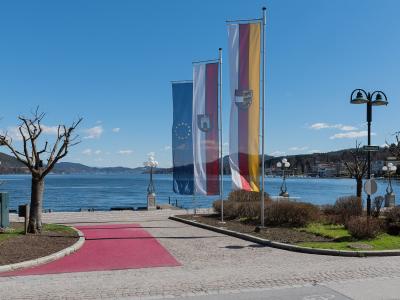
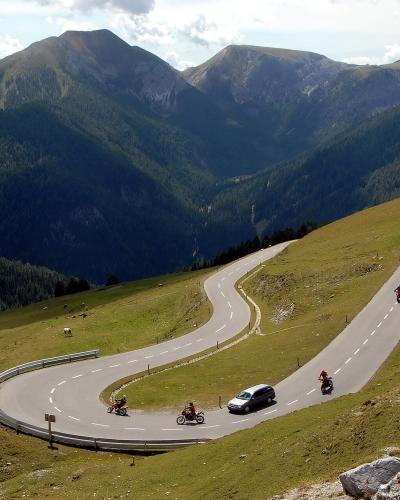
The main attractions in Carinthia reflect its natural beauty and historical heritage. The Wörthersee is the most famous lake, offering sandy beaches, water sports, and scenic promenades. The Millstättersee is another popular destination, known for its clear waters and surrounding vineyards. The Grossglockner High Alpine Road, which passes through the Hohe Tauern National Park, offers breathtaking views and access to hiking trails. Klagenfurt's Old Town features the Rathaus (Town Hall), the Lindwurm statue, and the Landesmuseum Kärnten (Carinthian State Museum). The Pyramidenkogel Tower, accessible by cable car, offers panoramic views of the Wörthersee and the surrounding mountains. Other notable attractions include the Maria Wörth monastery on the Wörthersee, the medieval town of Spittal an der Drau, and the castles of Ortenburg and Rosenburg.
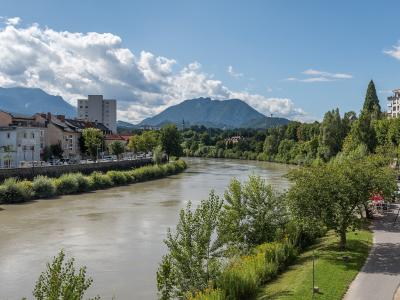
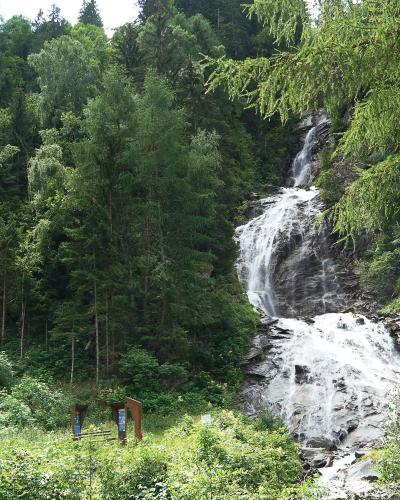
Carinthia offers a wide range of activities for visitors. In the summer, the lakes are ideal for swimming, sailing, windsurfing, and paddleboarding. The mountains provide excellent hiking, mountain biking, and climbing opportunities. The Hohe Tauern National Park is a haven for nature lovers, with diverse flora and fauna. In winter, Carinthia is a popular destination for skiing and snowboarding, with numerous resorts in the Nockberge and Hohe Tauern regions. The state also hosts various cultural events, including the Klagenfurt Festival and the Carinthian Summer Festival. Local cuisine features traditional dishes such as Kärntner Nudeln (Carinthian dumplings) and trout from the local rivers.
Getting to Carinthia is convenient via public transportation. The state is well-connected by train, with services from Vienna, Salzburg, and Munich stopping in major cities like Klagenfurt and Villach. The journey from Vienna takes approximately 4-5 hours. For those driving, the A2 motorway (Southern Motorway) provides access to the region, with exits leading to Klagenfurt and other towns. Local buses connect Carinthia to nearby villages and attractions. The state is also accessible from Slovenia and Italy via border crossings.
The best time to visit Carinthia is from mid-May to September for warm weather and lake activities, with July and August being the peak months. The first two weeks in October are also ideal for avoiding crowds while enjoying mild weather and autumn colors.
Best Time to Visit
Visit from mid-May to September for warm weather ideal for swimming and hiking.
Did you know?
Interesting, verified facts about Carinthia
Carinthia Is Linked to Lake Landscapes
SportsIt is renowned for its stunning alpine landscapes, numerous lakes, and mild climate, making it a premier destination for both summer water sports and winter skiing.
Source: Carinthia - WikipediaPlan Your Visit to Carinthia
Essential travel tips and information for your trip to Carinthia.
Suggested Itineraries
Carinthia Cultural Heritage
2 daysCarinthia's cultural heritage and lakeside scenery
View ItineraryExtended Carinthia Experience
3 days3-day Carinthia tour of lakes, alpine roads, and castles
View ItineraryTravel Tips
Currency
EUR • Cards widely accepted
Language
German • English in tourist areas
WiFi
Free WiFi in cafes and hotels
Explore Carinthia by Interest
Discover attractions and experiences in Carinthia organized by your interests and travel preferences.

All attractions in Carinthia
Sorted by our recommendation score
Quick Facts
Book your stay
Frequently Asked Questions
More destinations in Carinthia
Explore other amazing places in the Carinthia region