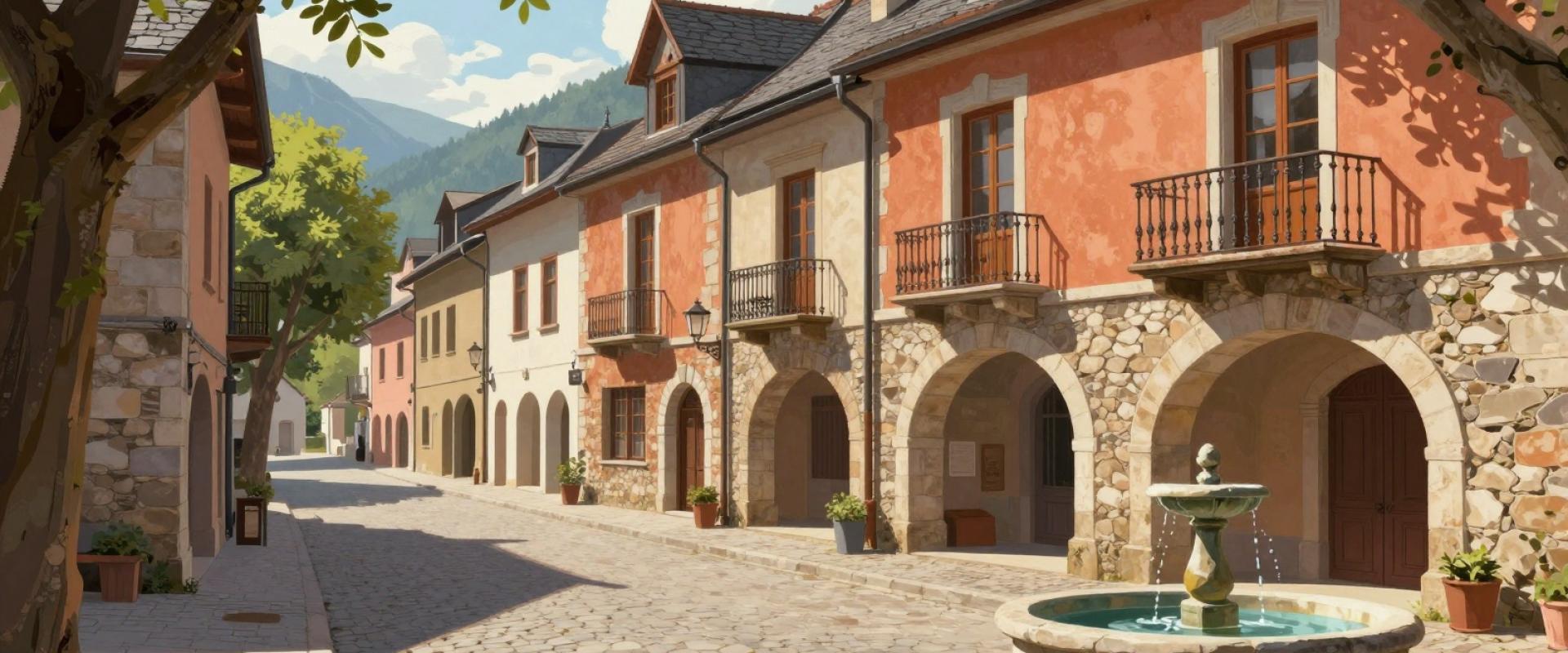
Day 1: Medieval Wonders of Friesach
Explore the well-preserved medieval old town, visit the iconic Cathedral of St. John the Baptist, and enjoy the panoramic views from the castle ruins.
-
09:00
Visit the Cathedral of St. John the Baptist
Start your day at the impressive Romanesque and Gothic cathedral, known for its unique double-tower facade and rich history dating back to the 12th century.
-
10:00
Walk Through the Medieval Old Town
Stroll through the narrow cobblestone streets, admiring the half-timbered houses, the old city walls, and the historic market square.
-
11:30
Explore Friesach Castle Ruins
Hike up to the castle ruins for breathtaking panoramic views of the Gurktal valley and the surrounding Alps. The site offers a glimpse into the region's feudal past.
-
13:00
Lunch at a Traditional Gasthaus
Enjoy a hearty Austrian lunch featuring local specialties like Knödel (dumplings) or Schnitzel at a traditional inn in the old town.
-
14:00
Visit Local Museums
Explore the Museum of the City of Friesach or the Museum of the Gurk Diocese to learn more about the local history, art, and religious heritage.
-
15:30
Coffee and Cake Break
Relax with a slice of Apfelstrudel or Sachertorte and a coffee at one of the charming cafes in the town center.
-
16:30
Visit St. John's Church Outside the Walls
Walk to the historic St. John's Church, located just outside the old town walls, known for its serene atmosphere and historical significance.
Meals:
Lunch at Traditional Gasthaus in Old Town , Snack at Local Cafe
Where to stay: Stay in a guesthouse or hotel within the old town for easy access to attractions. Options range from budget-friendly pensions to boutique hotels in historic buildings.
Getting around: The old town is compact and best explored on foot. If arriving by car, park in the designated parking areas on the outskirts of the old town.
Practical Information
Friesach, located in the heart of Carinthia, offers a compact and manageable experience ideal for a single-day exploration. The best time to visit is during the shoulder seasons of spring (April to June) and autumn (September to October). During these months, the weather is generally mild, with daytime temperatures ranging from 15°C to 20°C, making walking through the historic old town comfortable. Summer can be warm and crowded, while winter brings cold temperatures and potential snow, which may limit access to certain outdoor sites but adds a charming, quiet atmosphere.
Reaching Friesach is straightforward via public transport or car. The nearest major transport hub is Klagenfurt, approximately 30 kilometers away. From Klagenfurt Hauptbahnhof, regional trains or buses connect to Friesach, with the journey taking roughly 30 to 40 minutes. If driving, the A2 Autobahn is the primary route, with clear signage directing travelers to the town center. Once in Friesach, the historic center is entirely pedestrianized, meaning you can explore all major attractions, including the Cathedral and the Old Town Hall, on foot. Parking is available in designated lots on the outskirts of the old town, such as near the train station or in the town square, but spaces can fill up quickly during peak tourist seasons.
For accommodation, staying overnight allows for a more relaxed pace, though a day trip is feasible. Options range from traditional guesthouses (Pensionen) in the old town to modern hotels on the periphery. Areas near the Hauptplatz (main square) offer the most immersive experience, while locations closer to the train station provide easier access for those with heavy luggage. Budget-wise, Friesach is moderately priced compared to larger Austrian cities like Salzburg or Vienna. Expect to pay between €80 and €150 per night for mid-range accommodation. Meals at local restaurants typically cost €15–€25 per person for a main course, while self-catering options can reduce daily expenses significantly.
When packing, prioritize comfortable walking shoes, as the cobblestone streets in the old town can be uneven. Layered clothing is essential due to variable weather conditions, even in summer. Bring a reusable water bottle, as tap water is safe and widely available. Essential items include a camera for the well-preserved medieval architecture and a small daypack for carrying essentials. Important tips include checking opening hours for smaller museums and churches in advance, as they may have limited access on weekdays or during religious services. Additionally, learning a few basic German phrases can enhance interactions with locals, as English proficiency varies in smaller towns. Finally, respect the quiet hours in residential areas, particularly in the evenings, to maintain harmony with the community.