- Where
- Vienna, Vienna
- Directions
- Directions
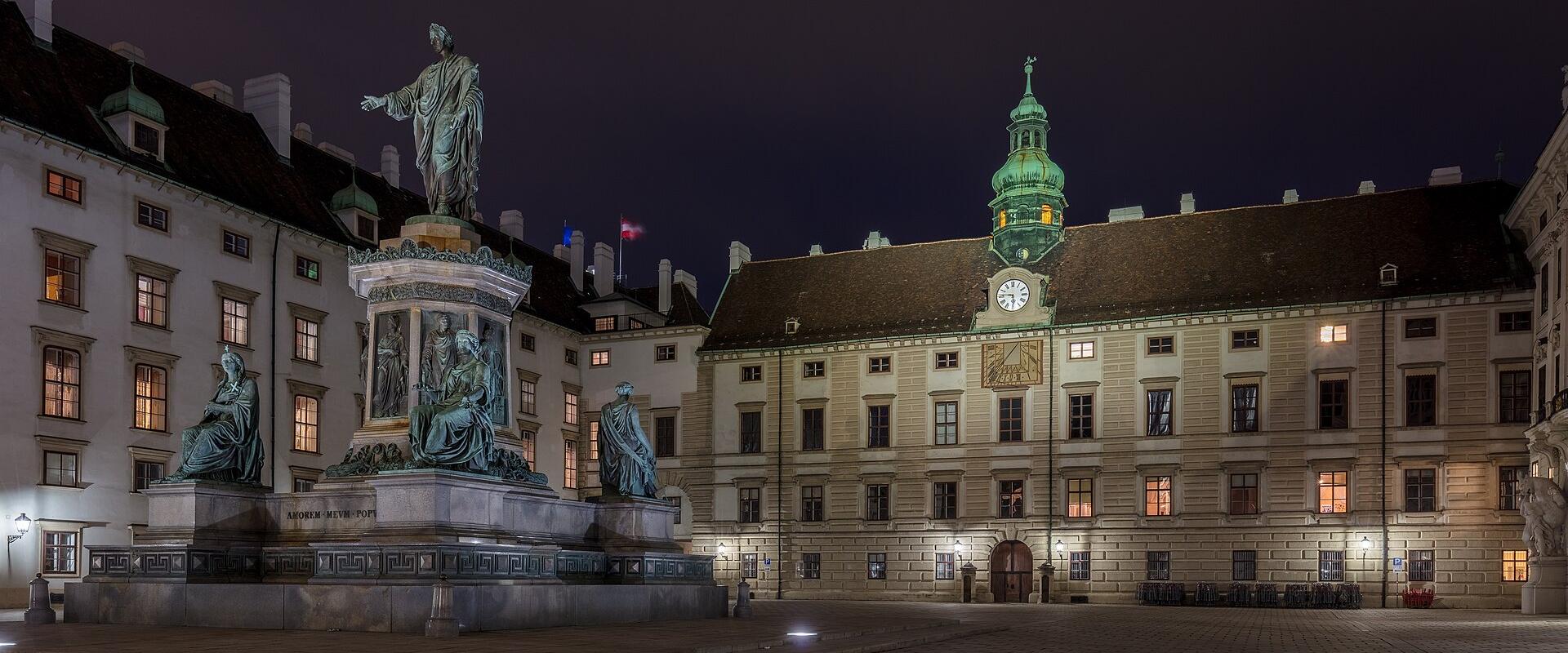
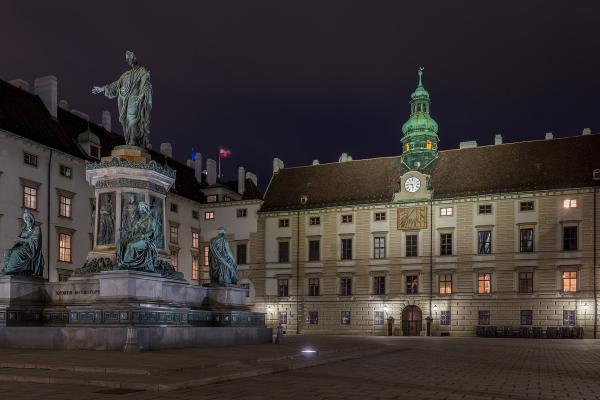
The Hofburg is the great imperial palace of Vienna, a sprawling complex in the centre of the old city that served as the main residence of the Habsburg rulers for some six and a half centuries. Its beginnings go back to a medieval castle of the thirteenth century, and later rulers kept adding wings, courtyards and halls, so the complex covers well over twenty hectares and resembles a small city within the city. The mix of styles, from Gothic and Renaissance to Baroque and late nineteenth-century historicism, tells the story of the dynasty's changing tastes and ambitions.
The oldest part is the Swiss Wing, named after the Swiss guards who once served in it, which is entered through a Renaissance gate dating to the sixteenth century. Next to it stands the Stallburg, a Renaissance building that was originally intended as a residence for a prince and later became the stable of the famous Lipizzaner horses. The Spanish Riding School, with its white Winter Riding Hall of the eighteenth century, is one of the most unusual parts of the palace, and visitors can watch training sessions or performances, which show a classical riding tradition with roots in the Renaissance. The Michaelertrakt, with its monumental domed gateway, forms the most imposing entrance from the Michaelerplatz.
Today the Hofburg has two lives. Parts of it remain a working centre of the Austrian state, since the Federal President has an office in the complex, and some of the state rooms are used for official events and congresses. Other parts are open to the public as museums. The Imperial Apartments give a view of the private rooms of Emperor Franz Joseph and Empress Elisabeth, known as Sisi, and the Imperial Treasury holds crowns, jewels and sacred relics, including the regalia of the Holy Roman Empire, which are among the most precious objects of their kind in Europe. The Imperial Chapel is known for the Sunday Mass sung by the Vienna Boys' Choir, and the grand State Hall of the National Library is one of the finest Baroque libraries in the world.
The open spaces are just as important. Josefsplatz, with its statue of Emperor Joseph II, is a quiet square lined with elegant facades, while Heldenplatz is a vast open space, bordered by the late Neue Burg wing, and carries heavy memories of the twentieth century.
Plan on half a day if you want to see several parts, and consider tickets in advance in high season. The Hofburg suits history lovers, art fans and anyone fascinated by the court culture of the Habsburgs.
More photos coming soon
Nearby Attractions
Other places to visit in Vienna
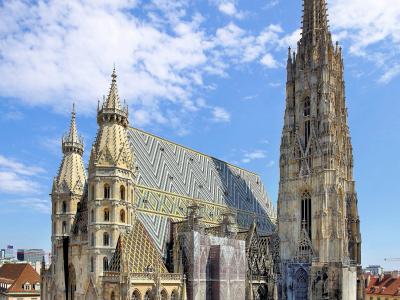
St. Stephen's Cathedral (Stephansdom)
Gothic cathedral with iconic tiled roof
Architectural Highlights · Local History
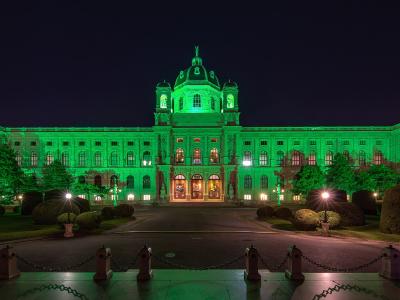
Kunsthistorisches Museum
Habsburg art collections spanning five millennia
From €22 History & Heritage · Museums & Art
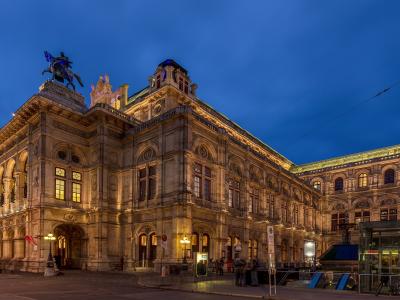
Vienna State Opera House
1869 Neo-Renaissance opera house
Cultural Venues · Historic Palaces
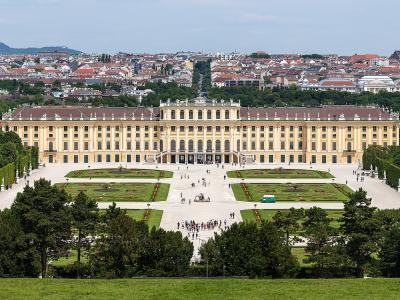
Schönbrunn Palace
Former imperial summer residence with extensive gardens
Architectural Highlights · Historic Palaces
Questions people ask
Quick Facts
Best Time to Visit
Austria enjoys a Mediterranean climate with warm summers and mild winters, making it ideal for visiting year-round.