Klosterneuburg Monastery
12th-century Augustinian monastery in Austria
- Where
- Klosterneuburg, Lower Austria
- Directions
- Directions
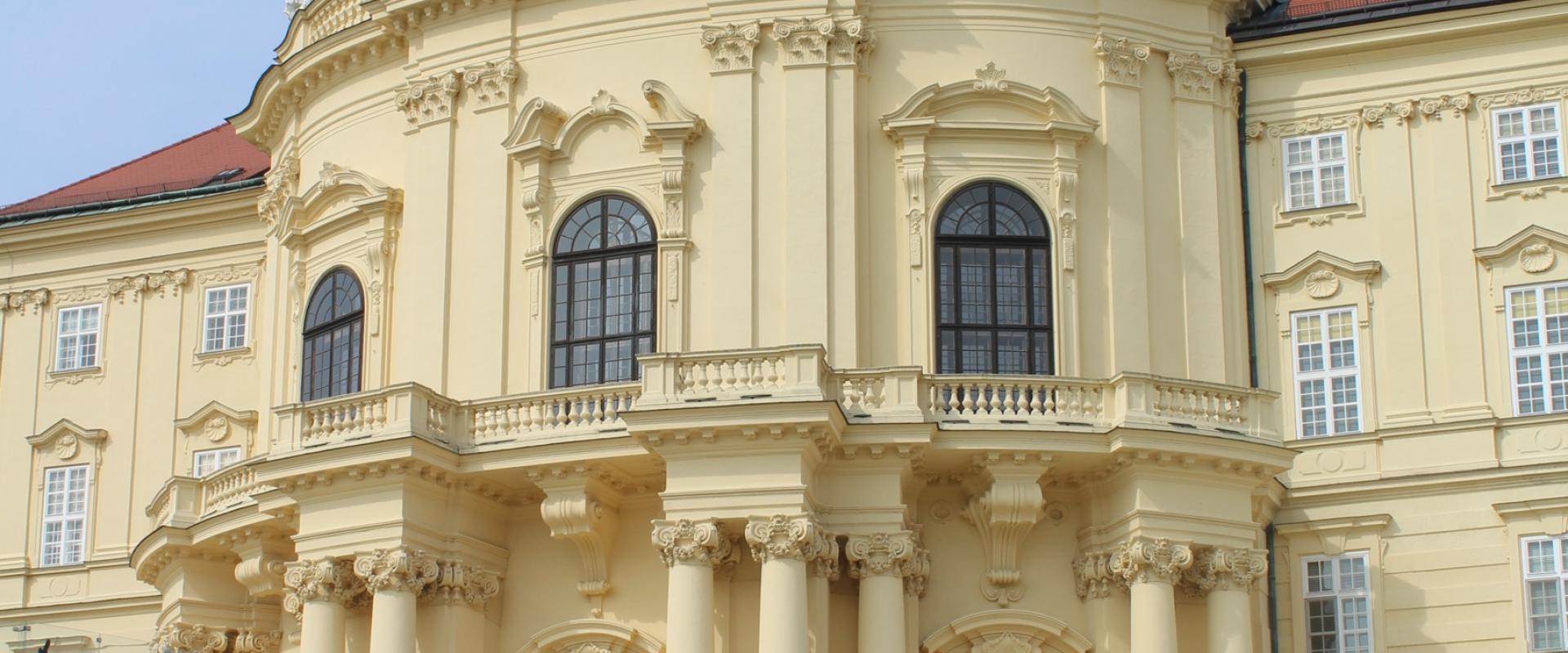
Klosterneuburg Monastery stands above the Danube just north of Vienna, in the town of the same name, and it is one of the oldest and richest monasteries in Austria. It was founded in 1114 by Margrave Leopold III of the Babenberg dynasty, who was later canonised and is the patron saint of Lower Austria and Vienna. According to the legend of the foundation, Leopold's wife Agnes lost her bridal veil in a gust of wind, and nine years later the margrave found it unharmed in an elder bush while hunting, which he took as a sign to build a church on the spot. The monastery has been home to a community of Augustinian canons ever since, and they still live and work there, running the estate, the school, the parishes and the winery. The tomb of Leopold lies in the church, and his feast day on 15 November is still a major festival.
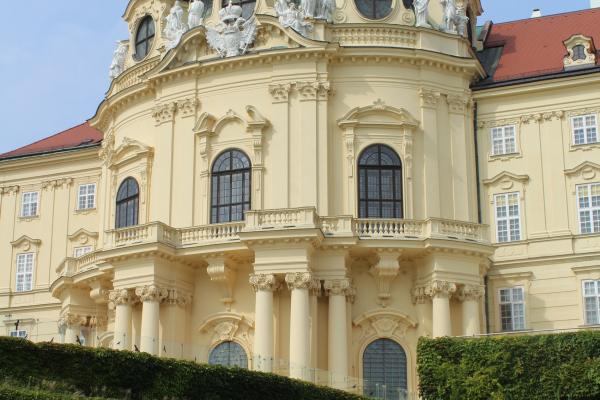
The complex has two faces. The medieval core, with the church, the cloister and the chapels, goes back to the twelfth century, with a Romanesque origin that was altered in the Gothic period and later in the Baroque. In the early eighteenth century, Emperor Charles VI planned to turn the monastery into an Austrian counterpart to the Escorial in Spain, a huge palace and monastery in one, and the architect Donato Felice d'Allio began the grand design with domes, courtyards and imperial apartments. Only about a quarter of the plan was carried out, but it gives the complex its monumental Baroque character, and the Imperial Apartments, the church interior and the great courtyards can be visited.
The most precious treasure is the Verdun Altar, made in 1181 by the goldsmith Nicholas of Verdun, a series of enamelled panels on gold that show scenes from the Old and New Testaments and are among the great masterpieces of medieval goldsmith's art in Europe. It was rearranged in the fourteenth century as a winged altar. The treasury also holds the Archducal Hat of Austria, the ceremonial crown of the archdukes, along with other sacred objects, and a museum gives further context to the collection.
The monastery is also the oldest wine estate in Austria. Its vineyards, in the hills around Vienna, and the cellars under the buildings, including a Baroque cellar and a huge historic barrel, can be visited, and tastings are offered. On the feast day of St. Leopold, the Leopoldi festival, locals celebrate with processions and a traditional barrel-sliding competition.
Klosterneuburg is reached from Vienna in about twenty minutes by suburban train. Guided tours are available, and a visit takes two to three hours.
Categories
More photos coming soon
Nearby Attractions
Closest attractions by distance
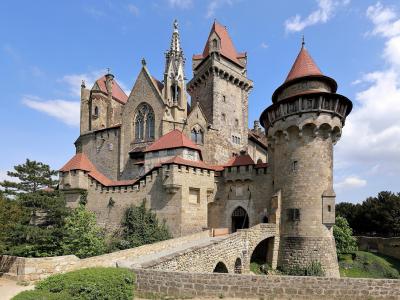
Burg Kreuzenstein
Fully furnished medieval castle in Leobendorf
From €8 Historic Palaces · Local History
Bruck Museum
City museum opened in 2010
Cultural Venues · Local History
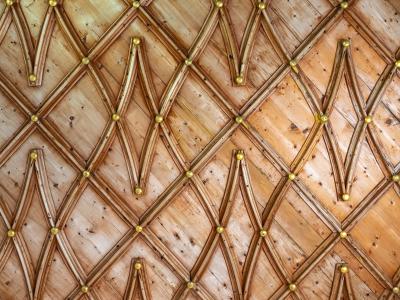
St. Peter and Paul Church
Baroque church in Mayrhofen, Austria
Architectural Highlights · Historic Houses
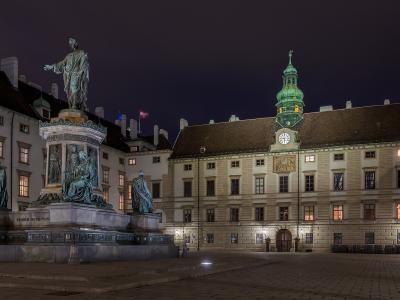
Hofburg Palace
Former imperial palace, now the Austrian President's seat
Architectural Highlights · Historic Palaces
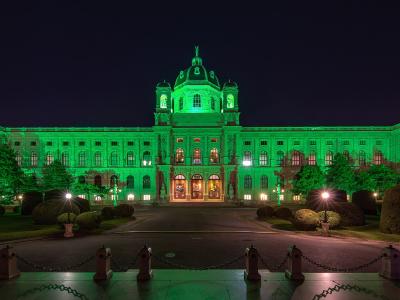
Kunsthistorisches Museum
Habsburg art collections spanning five millennia
From €22 History & Heritage · Museums & Art
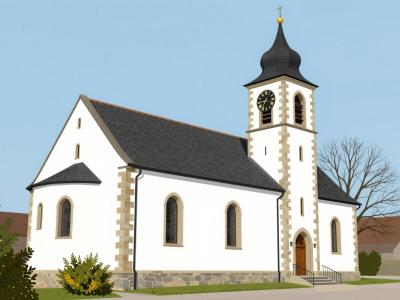
St. Michael's Church (Pfarrkirche St. Michael)
1784 Catholic church in Burgenland, Austria
Architectural Highlights · Historic Houses
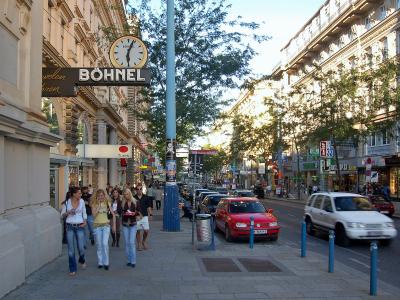
Mariahildferstraße (shopping Street)
Vienna's largest shopping street
Free Urban Exploration
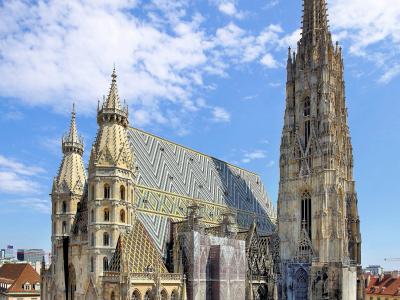
St. Stephen's Cathedral (Stephansdom)
Gothic cathedral with iconic tiled roof
Architectural Highlights · Local History
Questions people ask
Quick Facts
Best Time to Visit
Visit from mid-June to early September for warm weather ideal for wine tasting and outdoor activities.