- Where
- Carinthia, Carinthia
- Directions
- Directions
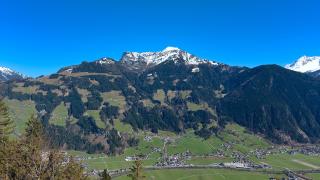
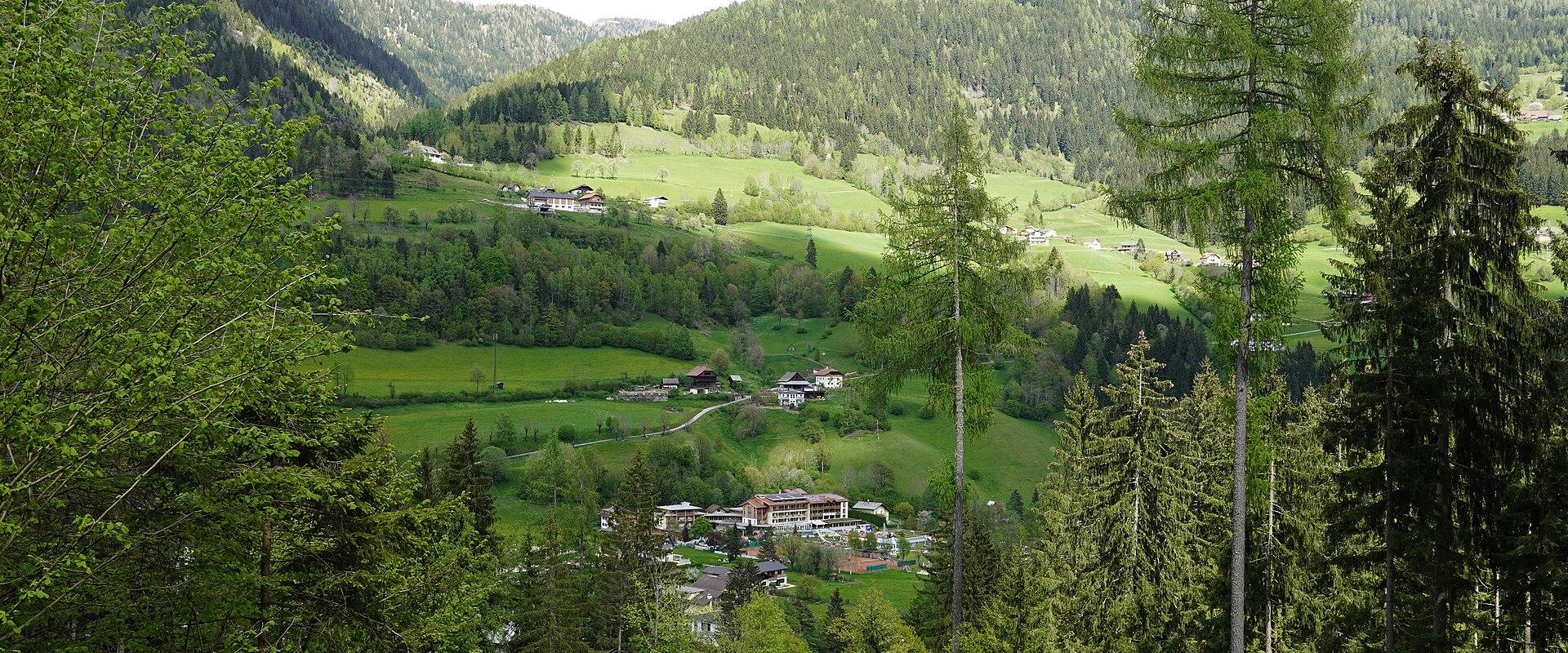
The Nockberge are a mountain range in the south of Austria, mainly in Carinthia but extending to Styria and Salzburg's Lungau region, and they are part of the Gurktal Alps. Their name comes from the word Nock, which describes the soft, rounded summits that are typical of the range. Unlike the sharp, rocky peaks of the limestone Alps, the Nocks are smooth and grassy, with broad ridges and high pastures reaching up to about 2,400 metres, and the highest summit is the Eisenhut at around 2,440 metres. The summits are well below 3,000 metres, but the landscape feels high and open.
The character of the mountains comes from their geology and the way they were shaped. The rock is mainly crystalline, and the rounded forms were created by ice age glaciers, leaving broad cirques and small lakes. Forests of Swiss stone pine, known as Zirbe, grow near the tree line, and the pine's scent and its use for furniture and for the traditional Zirbenschnaps are part of the regional culture. Above the forests, alpine pastures (Almen) are grazed by cattle in summer, and the herders' huts serve cheese, bacon and dairy dishes to visitors. Part of the range is protected as the Nockberge Biosphere Reserve, recognised by UNESCO, which aims to preserve the landscape together with traditional farming.
The gentle terrain makes the Nockberge suitable for walkers of all abilities. Marked trails lead from the valleys and from the Nockalmstraße, the high alpine toll road described in a separate listing, to summits, lakes and alpine huts, and many routes can be done in an afternoon. Longer trails link several huts across the ridges for multi-day tours. In winter the area is used for ski touring, snowshoe walks and cross-country skiing, and there are ski resorts at its edges, including Bad Kleinkirchheim and the Katschberg.
Bad Kleinkirchheim is also known for its thermal springs, and the thermal baths are a popular way to relax after a day in the hills. Villages in the surrounding valleys keep Carinthian traditions, with festivals, local food and wooden houses, and several buschenschank-style farm inns serve regional produce.
The best time for hiking is from June to October, when the pastures are green and the huts are open, while late spring and early autumn are quieter. Bring sturdy shoes and layers, since the weather in the high country can change quickly, and check the current conditions before heading out. The area is reached easily by road from Villach, Spittal an der Drau and Klagenfurt, and it can be combined with the other attractions in Carinthia.
Categories
More photos coming soon
Nearby Attractions
Other places to visit in Carinthia
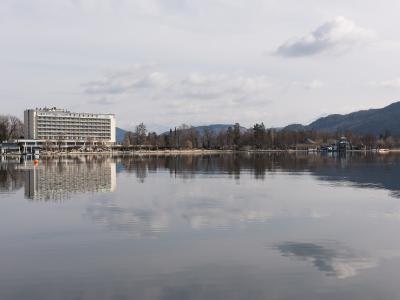
Lake Wörthersee
Alpine lake in Carinthia, Austria
Alpine Lakes · Boat Tours
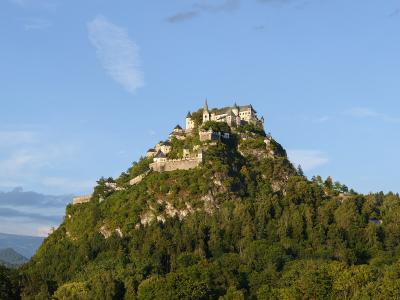
Hochosterwitz Castle
14-gate medieval fortress in Carinthia
From €18 Fortifications · Funiculars
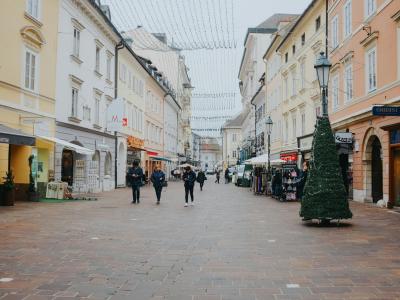
Klagenfurt Historic Old Town
Renaissance Old Town with Mediterranean atmosphere
History & Heritage · Urban Exploration
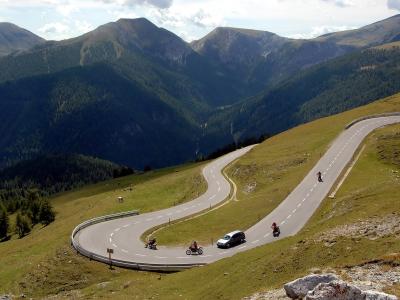
Nockalmstraße
34km alpine road through Nockberge Biosphere Reserve
From €18.50 Adventure & Activities · Natural Wonders
Questions people ask
Quick Facts
Best Time to Visit
Visit from mid-May to September for warm weather ideal for swimming and hiking.