


How eating out works in Austria
Eating out in Austria is not cheap, particularly in Vienna, Salzburg, Innsbruck and ski resorts. But the country has several long-established ways to eat well for less, most of them part of everyday local life rather than tourist tricks. The key is to shift your main meal to lunch, use bakeries and supermarkets for breakfast and picnics, and know a few local customs.
Make lunch your main meal
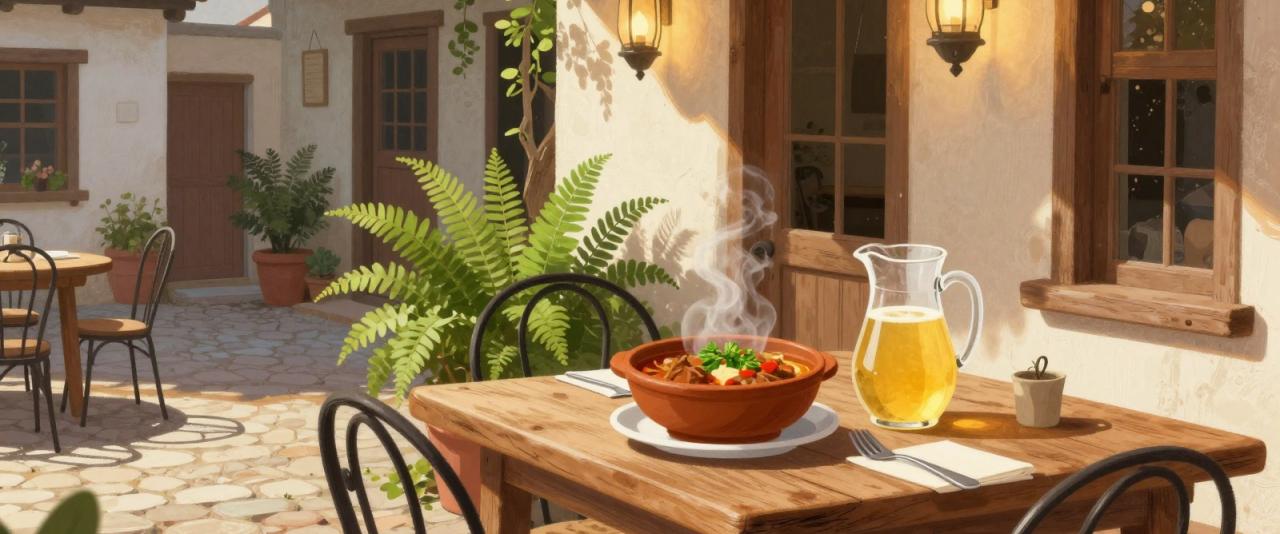
Many Austrian restaurants and inns (Gasthäuser) offer a Mittagsmenü or Tagesmenü on weekdays: a fixed lunch, often a soup followed by a main course, at a noticeably lower price than ordering from the evening menu. It is aimed at local workers, so it is served at lunchtime on working days and often listed on a board outside.
Typical dishes include goulash, roast pork with dumplings, Schnitzel, Käsespätzle (cheese noodles) in the west, and vegetarian options such as dumplings or vegetable dishes.
Cafeterias in large department stores and university canteens (Mensa) can also be good value in cities.
Bakeries and breakfast
Austrian bakeries sell bread rolls (Semmeln), pastries and filled rolls throughout the day. A filled roll and coffee from a bakery is a quick, inexpensive breakfast or snack and a common local choice. If your accommodation does not include breakfast, a bakery is usually the cheapest option.
Coffee houses are part of Austrian culture, especially in Vienna, and many are known for letting you sit for a long time over one coffee. They are not the cheapest place for a meal, but a coffee there is an experience worth fitting into the budget.
Supermarkets and picnics
Austria's supermarket chains sell ready-made salads, sandwiches, cheese, cured meats, bread and fruit, and many larger branches have a hot counter or bakery section. Shopping there for one meal a day can cut costs considerably, especially on a family trip or in ski resorts.
Some practical notes:
- Most supermarkets are closed on Sundays and public holidays. Shops at large railway stations and some airports are exceptions, so stock up on Saturday.
- Many drinks containers, including single-use plastic bottles and cans, carry a deposit (Pfand) in Austria. Return them at supermarket machines to get the money back.
- Many lakes, parks and mountain areas have benches and picnic spots. Take all rubbish with you.
Sausage stands and street food
The Würstelstand (sausage stand) is a fixture in Austrian cities, especially Vienna. A sausage with bread and mustard is a cheap, filling meal, and many stands stay open late. Common options include Käsekrainer (sausage with cheese), Bratwurst and Burenwurst. Kebab and other takeaway stands are also widespread in cities.
Heurigen and mountain huts
In wine-growing regions, including the edges of Vienna, Lower Austria, Burgenland and Styria, a Heuriger (called a Buschenschank in Styria) is a wine tavern run by the winemaker. They serve their own wine with a cold or simple hot buffet, and prices are generally moderate compared with restaurants. Many are only open at certain times of the year, so check before going.
In the mountains, huts and alpine pastures serve simple, filling food such as soups, dumplings and Kaiserschmarrn (shredded pancake). Prices reflect the effort of supplying them, but portions are usually large.
Drinks, water and bread
- Tap water in Austria is safe and of high quality. Ask for "Leitungswasser". Some restaurants serve it free, while others charge a small amount, so it is worth asking.
- Bread baskets placed on the table may be charged per item eaten. If you do not want any, you can ask for them to be removed.
- Drinks are often a large share of the bill. Local beer and house wine by the glass are usually cheaper than soft drinks or imported spirits. A Gespritzter (wine with sparkling water) is a common, inexpensive choice.
Tipping and paying
Service is included in Austrian prices, but tipping is customary. Most people round up the bill or add around 5–10% for good service. The usual way is to tell the server the total you want to pay when they bring the bill, rather than leaving coins on the table.
Card payment is now widely accepted, but some smaller inns, huts and sausage stands still prefer cash, so carry some. Splitting the bill is common: servers will often ask whether you want to pay together (zusammen) or separately (getrennt).
A sample day on a budget
- Breakfast: Rolls and coffee from a bakery.
- Lunch: A weekday Mittagsmenü at a Gasthaus.
- Afternoon: Coffee and cake at a café, or a picnic by a lake.
- Dinner: Supermarket supplies, a Würstelstand, or a Heuriger in wine country.