Whispers of the Habsburgs: A Curator’s Budget Manifesto
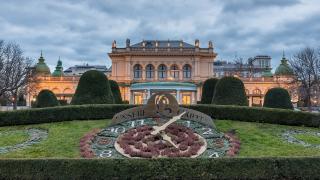
The Hofburg Palace does not merely stand; it looms as a silent witness to centuries of imperial decree. I often tell visitors that true elegance requires no exorbitant fee, only a keen eye for detail. While many assume Vienna and Salzburg demand a king’s ransom, this perception crumbles under the weight of accessible reality. Consider the Stadtpark’s golden Strauss monument, standing proudly free of charge beneath the city’s canopy. A modest €4 tram ticket unlocks the entire metropolitan grid, granting access to more than just transport—it offers mobility. The Kunsthistorisches Museum opens its doors for free on the first Sunday of each month, a gesture of cultural generosity often overlooked. I once guided a young student through the Baroque halls of Mirabell Palace, where we discussed Mozart’s early years without spending a single cent. The €100 daily framework should not be viewed as a constraint, but as a lens for deeper engagement. You will discover that the soul of Austria resides in its quiet corners and public squares. These spaces welcome all who listen closely to their whispers.
Grandeur at the Hofburg often tempts travelers to splurge, yet true fiscal artistry lies in selective admission. Skip the Vienna Pass; its flat fee rarely justifies the cost for the discerning budget traveler seeking depth over speed. Instead, target specific masterpieces. The Belvedere’s Klimt collection demands a mere €16, offering unparalleled access to The Kiss without the overwhelming crowds of the State Rooms. Accommodation requires strategic displacement. I recommend the 10th or 12th districts, where hostel dorms in converted Gemütlichkeit apartments cost roughly €25 nightly, far removed from the tourist inflation of the center. Dining elegantly on a shoestring is possible through the Mittagsmenü tradition. Many esteemed restaurants, including those near the Ringstraße, serve three-course lunches for under €12 between 11:30 AM and 2 PM. This Austrian custom allows one to dine in opulent surroundings while maintaining strict fiscal discipline. Finally, approach free walking tours with caution. While the concept appeals to the wallet, reputable operators like Sandemans (though pricey) or local university-led groups offer historical depth without the aggressive upselling tactics common in mass-market tours. Choose wisely, for history is free, but time is not.
Salzburg’s Stone and Silence: Beyond the Mozart Myth
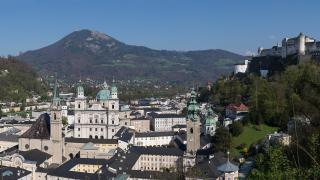
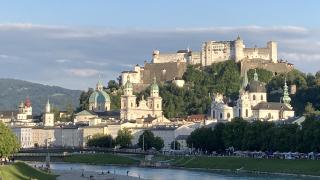
Beneath the cacophony of Getreidegasse, a quieter Salzburg awaits those willing to seek it. Skip the overpriced schnitzel joints; instead, wander toward the Kapuzinerberg for a hike that costs nothing but offers panoramic views of the baroque skyline. The fortress above is impressive, yet the ascent reveals the city’s true soul. Private guesthouses in the Lehen district often provide superior value compared to crowded hostels, ensuring restful nights without the party noise. For culture, time your visit to the first Sunday of the month when museums like the Museum der Moderne offer free admission. This strategy allows you to admire Miró’s works without depleting your daily budget. I recall a rainy Tuesday when I explored the quiet courtyards of the Residenzplatz, finding solace in the architecture rather than the crowds. These moments of stillness define the city more than any souvenir shop. By choosing local eateries in the Riedenburg area, you support genuine businesses while saving euros. The stone walls here hold centuries of stories, waiting for the attentive traveler. Embrace the silence, and you will find the true heart of Salzburg. It is not merely a Mozart memorial, but a living, breathing piece of imperial history. Let the quiet guide your journey.
The Culinary Archive: Eating Like a Local Without the Price Tag
Vienna’s coffee houses may whisper of imperial decadence, but true sustenance hides in the Gemüsestand. I once watched a local woman purchase a Tagesgericht—today’s special—at a modest Gasthaus for merely €9.50; it included soup, main, and salad. Skip the grand cafés where a single Melange costs €4.50. Instead, visit the Naschmarkt for fresh produce. A picnic of Leberkäse from Hofer’s supermarket costs under €5. Salzburg’s Brotzeit offers hearty rye bread with cheese for €6. Eating like a local means respecting the rhythm of daily meals. You will find that flavor does not require fortune. The Habsburgs dined simply on game and root vegetables; you can too. This is the authentic taste of Austria.
Echoes of Eternity: A Legacy of Frugal Beauty
True beauty often hides in plain sight. I have watched countless travelers chase only the gilded halls of Schönbrunn. They miss the quiet dignity of a local Kaffeehaus. A single Melange there costs mere euros. This choice transforms budgeting into cultural immersion. Choosing free museum days engages with Austria’s soul. Hiking the Kahlenberg offers panoramic views without cost. History lives in daily rhythms, not just stone. Let your journey reflect this legacy. Find richness in simplicity. Connection matters more than consumption. The past whispers to those who listen. It offers wisdom that costs nothing but attention.