Echoes of the Habsburgs: Decoding the Pension
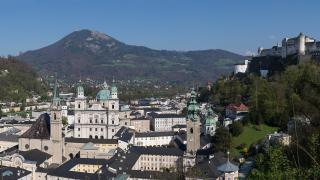
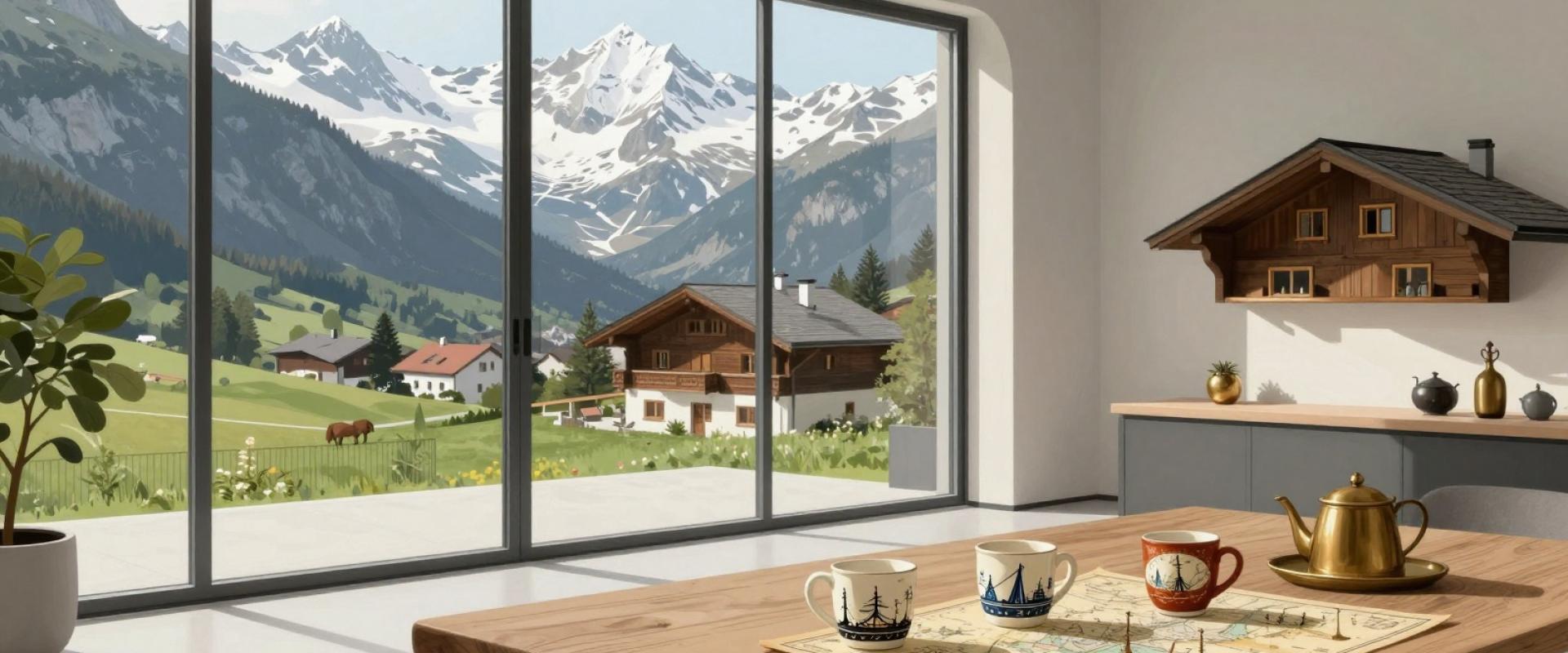
The scent of vanilla and aged paper still clings to the wooden beams of my grandmother’s Stube, a sensory anchor that distinguishes a Pension from the sterile anonymity of a Viennese hotel. These family-run guesthouses are not merely rooms to sleep in; they are shared domestic spaces where genuine connection flourishes through daily interaction. I remember spending childhood summers in Salzburg, hosting travelers from across the globe who joined us for breakfast, picking up local dialects over steaming cups of coffee. This intimate arrangement preserves our Gemütlichkeit, offering an invitation into private life rather than just a place to rest. Such accommodations often cost under €80 per night, providing exceptional value for an experience that feels deeply personal and enduring. While the Habsburgs once ruled from imposing marble halls, we now find history whispering through the cozy corners of these homes, where resilience and grace are woven into the fabric of everyday life. Let the cobblestones guide you away from standardized luxury and toward this authentic, unforgettable Austrian warmth.
Timber and Stone: The Soul of the Gasthof
Rough-hewn stone anchors the foundation, while larch timber frames speak of Alpine winters. You hear the hearth crackle. It is the room’s heartbeat. These spaces reject sterile luxury. They offer connection. A night costs €80–€120. This rivals Vienna’s boutique hotels. The air smells of roasted chestnuts. Modern hotels lack this scent. You lose a gym. You gain a sense of place. This defines Austrian hospitality. I recall a Vorarlberg stay. The owner shared family recipes. Generations of tradition passed down. Such moments transform a trip. The soul of Austria resides here. These timbered spaces invite you to slow down. Listen to the history.
In Feldkirch, the Gasthof stands not merely as lodging, but as a testament to centuries of communal resilience. Rough-hewn stone anchors the foundation, while larch timber frames tell stories of Alpine winters. You will hear the crackle of the hearth; it is the heartbeat of the room. These establishments prioritize authentic connection over sterile luxury. A night in a traditional Gasthof costs roughly €80–€120, offering value that rivals Vienna’s boutique hotels. The air smells of roasted chestnuts and aged wood, creating an atmosphere that modern hotels cannot replicate. While you may lack a gym, you gain a genuine sense of place. This trade-off defines the Austrian hospitality experience. I recall a stay in Vorarlberg where the owner shared family recipes passed down through generations. Such moments transform a simple trip into a cultural immersion. The soul of Austria resides in these warm, timbered spaces, inviting you to slow down and truly listen to the history surrounding you.
The Art of the Alpine Reservation
While Salzburg’s Christmas markets dissolve into the hush of Baroque stone, the reality of booking stays in Austria demands a different kind of respect. Spontaneity is a local privilege; for visitors aiming for the Hotel Sacher or a cabin by Attersee, patience and planning are non-negotiable. To secure a room, you generally need to book three to six months in advance, particularly if your route includes Vienna’s imperial palaces or the tranquil waters of Bad Vöslau.
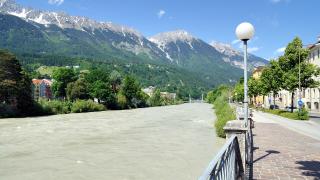
For those seeking refuge in the high Alps, the timeline shrinks further. Alpine huts managed by the ÖAV fill quickly, often requiring direct contact and early reservation before the summer crowds arrive. Budget considerations also shift dramatically across regions. A modest Gasthof in Tyrol might offer a bed for €80, whereas a luxury suite in Innsbruck could easily exceed €300. Rather than forcing yourself into overcrowded hubs, consider Carinthia, where value and scenic beauty often align without the premium price tag. Thoughtful preparation ensures your accommodation supports your exploration of Austria’s cultural legacy, rather than becoming a hurdle in your journey.
In Salzburg’s historic center, the clamor of Christmas markets fades into a quiet reverence for the city’s Baroque heritage; this same reverence must guide your booking strategy. Spontaneity is a luxury reserved for locals, not travelers seeking a room at the Hotel Sacher or a cabin near Attersee. I recommend securing accommodations three to six months ahead, especially if your itinerary includes Vienna’s imperial palaces or the serene waters of Bad Vöslau. For the adventurous soul, alpine huts require even earlier planning; contact the ÖAV directly to reserve a bed before the summer peaks. A modest Gasthof in Tyrol might cost €80 per night, while a luxury suite in Innsbruck exceeds €300. Do not underestimate the demand; popular destinations fill rapidly. Consider alternative regions like Carinthia for better value without sacrificing beauty. Your journey deserves thoughtful preparation, ensuring that your stay enhances, rather than hinders, your exploration of Austria’s enduring cultural legacy.
Sanctuary and Safety: Verifying Standards
Austrian hospitality balances historic charm with modern rigour, anchored by the Hygieneverordnung to ensure your rest remains secure. Look for the Geprüfte Qualität seal, which signals that hygiene protocols surpass standard EU requirements. I recall a Tyrolean Gasthof where daily inspections felt as routine as morning coffee, creating a backdrop of effortless safety. When browsing reviews, prioritize recent comments on maintenance over aesthetic ambiance, as silence regarding safety queries often hints at deeper negligence. Directly contacting the proprietor to verify fire exit accessibility and pest control records is a small step that protects your peace of mind. Vienna offers a striking example of this balance, where baroque facades conceal sophisticated modern engineering. Trust your instincts; a sanctuary that respects your well-being honors its history without compromising your safety.