Eisenstadt
Capital of Burgenland, home of Haydn and Esterházy Palace
Eisenstadt lies at the foot of the Leitha mountains, on the western edge of the Burgenland plain, a short drive from the Neusiedler See. Until 1921 the town belonged to Hungary, where it was known as Kismarton, and after the First World War it became part of Austria with the rest of Burgenland. It became the provincial capital only in 1925, though it is the smallest state capital in the country, with about 16,000 inhabitants.
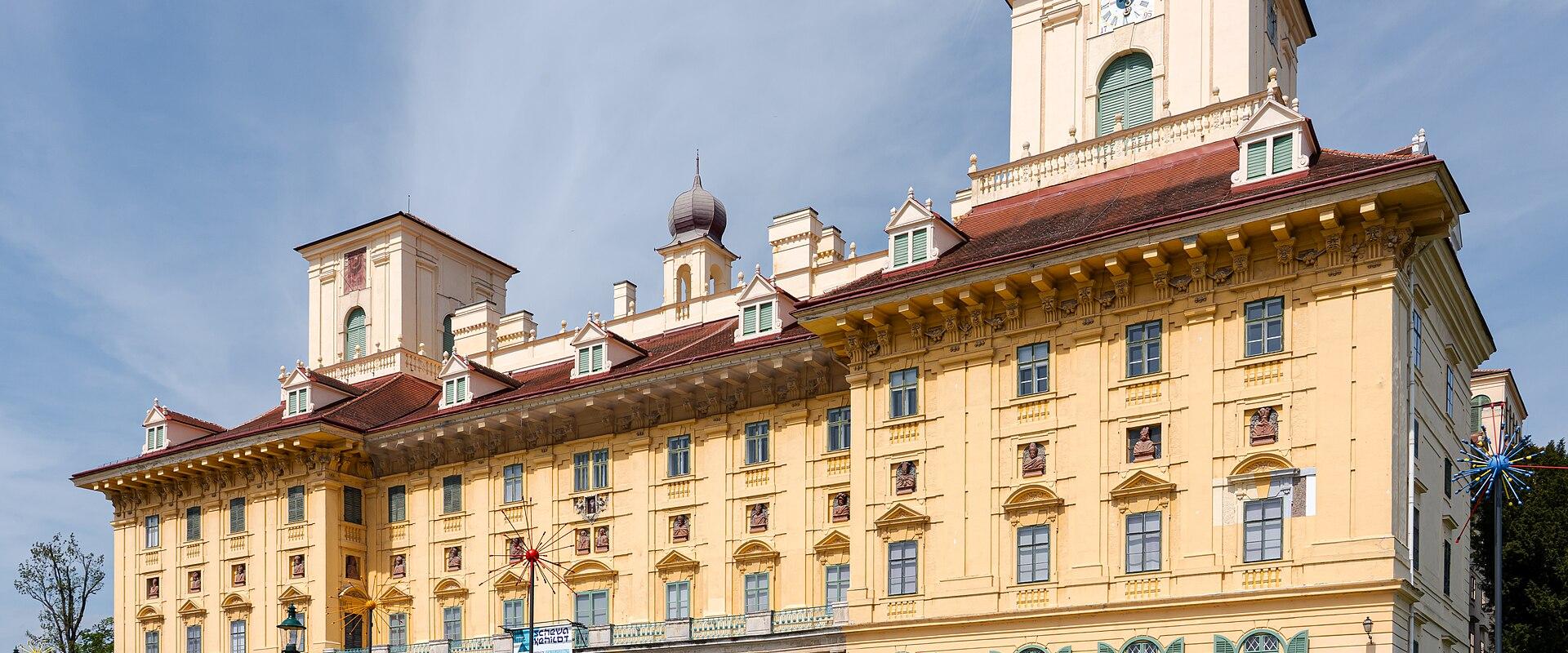
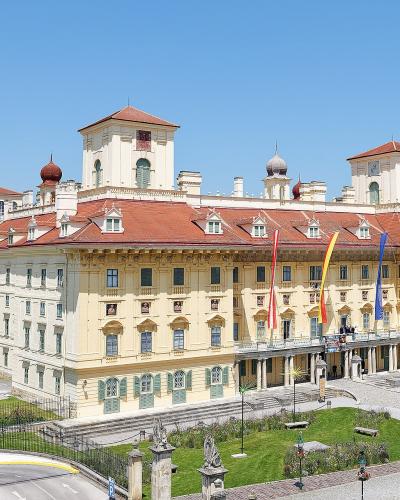
The Esterházy family, one of the richest and most powerful Hungarian noble houses, shaped the town. They bought the estate in the seventeenth century and built a palace, Schloss Esterházy, which was extended in the Baroque period into a large, pale yellow complex around a courtyard. Schloss Esterházy is a Palace of State; the Haydnsaal, its concert hall, is a richly decorated Baroque room with ceiling frescoes and marble, and it is still used for concerts, with exceptional acoustics. Rooms in the palace display the family's collections, and in summer parts of the palace and its park are open to visitors. Check the current arrangements.
Joseph Haydn worked here for much of his adult life. From 1766 he was the Kapellmeister to Prince Nikolaus Esterházy, and he composed many of his symphonies and quartets in Eisenstadt and at the family's other residences. The Haydn House, a modest house on the Haydngasse where he lived, is now a museum with exhibits on his life and music. His remains lie in the Haydn Mausoleum in the Bergkirche, the Calvary Church above the town, often called the Haydnkirche, where a Marble tomb is on display, and the church has a famous Calvary installation with life-size figures. The Haydn Festival, held each autumn, and the Haydn Hall events bring musicians from many countries.
The Jewish history of Eisenstadt is another strand; East and West met in the Unterberg quarter. A Jewish community lived under the Esterházy protection from the seventeenth century in a quarter called the Unterberg, with its own synagogue and institutions. The Austrian Jewish Museum, in the former home of the Wertheimer family, presents the history of the community, and a small Jewish Cemetery with Memorials remains. The community was destroyed after 1938. Visitors who want to understand the region's history should plan time for this.
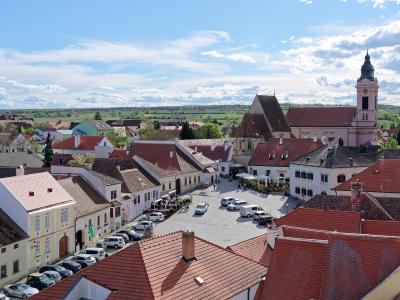
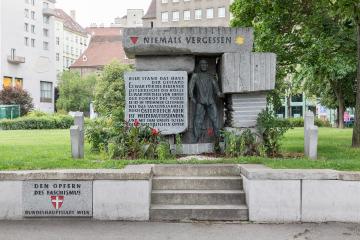
The town's old centre is small. The main square, the Hauptstraße, has Baroque and Renaissance houses and arcades, and the Cathedral, the Domkirche St. Martin, is a Gothic church that became the seat of a bishop in 1960. A Culture and Congress Center, the Kultur- und Kongresszentrum, holds concerts, and the nearby Landesmuseum covers the history and culture of Burgenland, from prehistory to the Iron Curtain period, when the border with Hungary was closed. A Monument and Memorials recall these years.
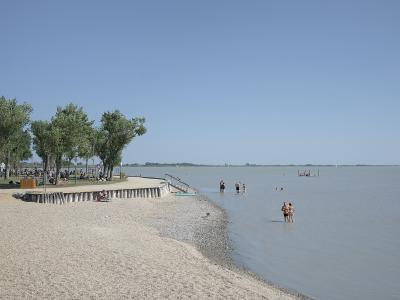
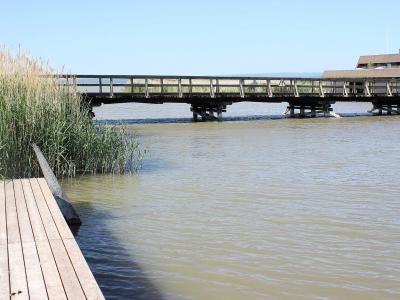
The countryside is a draw. The Leitha Mountains, behind the town, have forest walks, and vineyards cover the slopes toward the lake. The Neusiedler See, with its Biosphere Reserve and UNESCO status, is about 15 kilometres away, and Rust, with its storks and wine, lies on the western shore. Haydn's birthplace, in the village of Rohrau in Lower Austria, is a short drive north, and a Haydn Trail links places associated with the composer.
Food is Burgenland cooking, with Hungarian influence: goulash, roast goose, strudel and wines such as Blaufränkisch, Zweigelt and Welschriesling. Heuriger and Buschenschank taverns in the surrounding villages serve local wines.
The best time to visit is from May to September, with Haydn events in summer and autumn; August is warm and busy. June and July are warm, and September is harvest time. Christmas brings a market in the palace square. Winters are quiet.
Getting there is simple. Trains from Vienna reach Eisenstadt in about an hour, usually with a change at Wulkaprodersdorf, and buses link the town with the lake and the nearby villages. By car, the A3 motorway from Vienna reaches the town in about 45 minutes, and the Hungarian border is about 40 minutes away. Within the town, most sights can be reached on foot.
Best Time to Visit
Visit from mid-June to early September for warm weather ideal for wine tasting and outdoor activities.
Did you know?
Interesting, verified facts about Eisenstadt
Eisenstadt Has a Distinct Local Story
HistoryEisenstadt is the capital of the Austrian state of Burgenland, located in the eastern part of the country near the Hungarian border.
Source: Burgenland - WikipediaEisenstadt Has Another Verifiable Detail
HistoryThe town features a charming historic center, dominated by the magnificent Esterházy Palace, a Baroque masterpiece.
Source: Schloss Esterhazy — Austria in USAEisenstadt Has a Second Local Claim
Notable PersonIt is renowned as the 'City of Haydn' due to the long association of the composer Joseph Haydn with the Esterházy family, who made it their primary residence.
Source: Franz Joseph Haydn (1732-1809)Plan Your Visit to Eisenstadt
Essential travel tips and information for your trip to Eisenstadt.
Suggested Itineraries
Travel Tips
Currency
EUR • Cards widely accepted
Language
German • English in tourist areas
WiFi
Free WiFi in cafes and hotels
Explore Eisenstadt by Interest
Discover attractions and experiences in Eisenstadt organized by your interests and travel preferences.
All attractions in Eisenstadt
Sorted by our recommendation score
Quick Facts
Book your stay
Frequently Asked Questions
More destinations in Burgenland
Explore other amazing places in the Burgenland region