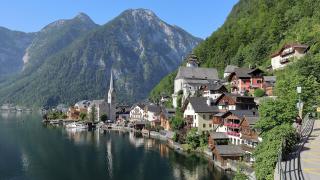
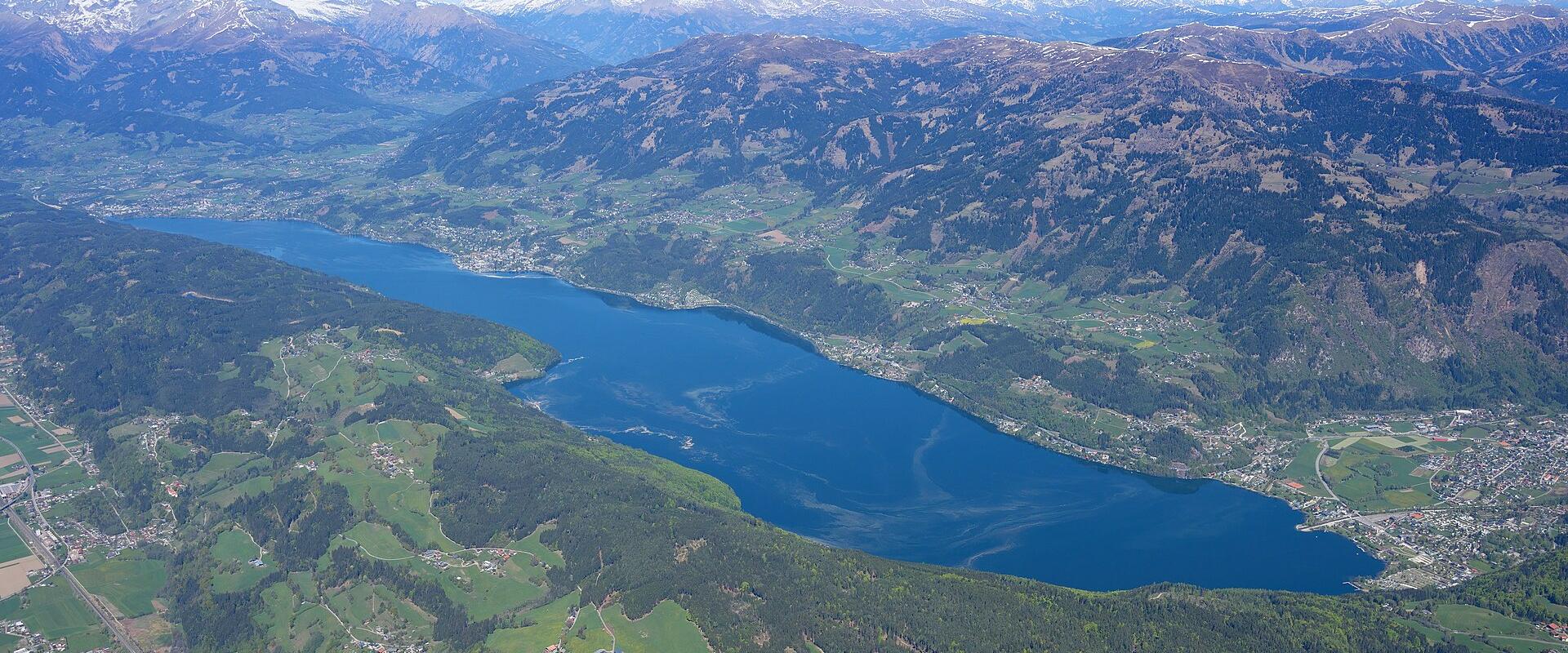
Millstatt occupies a terrace above the northern shore of the Millstätter See, about 15 kilometres from Spittal an der Drau. The lake is some twelve kilometres long and over 140 metres deep, and it is the second largest in Carinthia after the Wörthersee. Its water is clear, and although it takes longer to warm than the shallower lakes further east, swimming temperatures in the low to mid-twenties Celsius are usual in July and August.
The village has been shaped by its abbey. Millstatt Abbey, the Stift Millstatt, was founded around 1070 as a Benedictine monastery, and it was later held by a knightly order and then by the Jesuits. Today the complex dominates the village centre, and its buildings reflect a mix of periods. The cloister contains Romanesque arcades and carved capitals, and the church has a Romanesque portal and Gothic elements. A museum in the abbey displays historic objects, and the courtyard is a space for events. Part of the complex has been converted for other uses, so access varies.
The abbey courtyard also hosts the Millstatt Music Weeks, known in German as the Musikwochen Millstatt, a classical music series held in summer. Concerts take place in the courtyard and in the church, and the programme attracts musicians and audiences from Austria and abroad. The setting, with Romanesque stone, evening light and the sound of a quartet or choir, is a good reason to time a visit for the festival.
The lake is the main attraction in summer. A promenade runs along the shore, with benches, cafes and landing stages, and several public bathing areas offer swimming, sunbathing and boat rentals. Sailing, windsurfing, stand-up paddling and fishing are all possible, and passenger boats provide scenic trips. The lake is surrounded by woods and mountains, and the lack of heavy industry keeps the water clean.
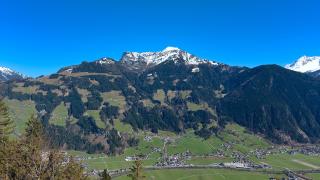
Above the village, the Alpine landscape of the Nock Mountains, the Nockberge, begins. These rounded, grassy summits form a biosphere reserve and are suited to easy hiking. Alpine pastures, mountain huts and viewpoints are reached by roads and trails, and the area is also good for mountain biking. In winter, small ski areas and cross-country trails operate nearby, and the Katschberg and Bad Kleinkirchheim resorts lie within driving distance.
Food in Millstatt follows the Carinthian tradition. Kärntner Kasnudeln, the cheese-filled dumplings pinched at the edges and served with brown butter, are the signature dish. Fish from the lake, including char and whitefish, appear on menus, along with Carinthian ham, bacon, dumplings and Reindling, a yeast cake with raisins. Cafes sell pastries and ice cream in summer, and some farms in the hills sell cheese, schnapps and honey.
The best months for the lake are June to early September. May and late September are calmer, with comfortable temperatures for walking and cycling. Autumn brings mist on the water and colour in the forests, while winter is quiet, though the abbey and the lakeshore have a peaceful atmosphere in the snow. Advent concerts and markets take place in the weeks before Christmas.
Reaching Millstatt is straightforward by car, with the A10 Tauern motorway exit at Spittal-Millstätter See about 20 minutes away. The nearest railway station is in Spittal an der Drau, where buses connect to the village. Villach and Klagenfurt are each about an hour away, making Millstatt suitable as part of a wider Carinthian itinerary.
What to see in Millstatt
Our picks first.
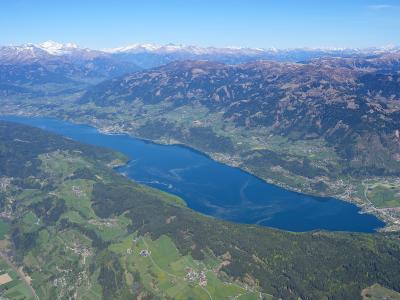
Lake Millstättersee (Millstatt Lake)
Carinthia's largest lake with boat cruises
Free Alpine Lakes · Boat Tours
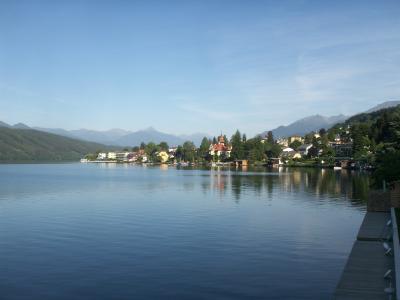
Lakeside Promenade In Millstatt
Lakeside promenade along Lake Millstatt
Natural Wonders · Walking Tours
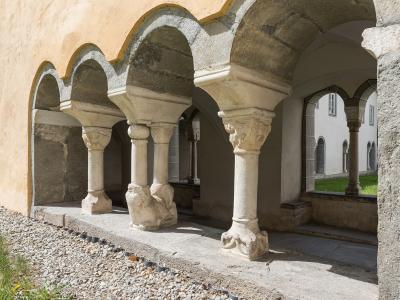
Millstatt Abbey (Stift Millstatt)
11th-century Romanesque abbey in Carinthia
From €6.90 Architectural Highlights · Religious Sites
Millstatt by interest
The same sights, grouped by what you came for.
Planning a visit to Millstatt
Good to know
- Currency
- EUR
- Language
- German
Quick Facts
Book your stay
Questions people ask
More places in Carinthia
Carinthia
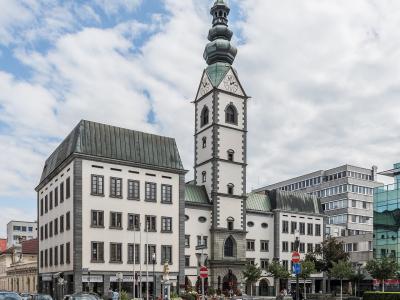
Klagenfurt am Wörthersee
Capital of Carinthia on Lake Wörthersee with medieval old town
Carinthia
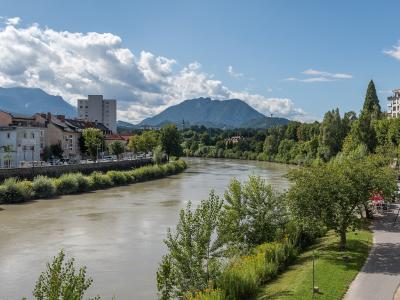
Villach
Alpine gateway city in Carinthia with lakes and mountains
Carinthia
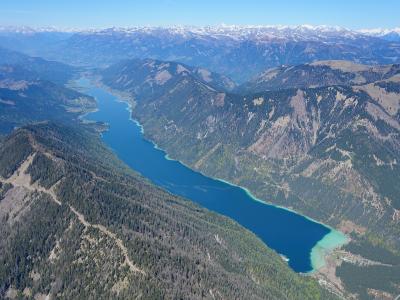
Carinthia
Southernmost Austrian state with alpine lakes and mountains
Carinthia
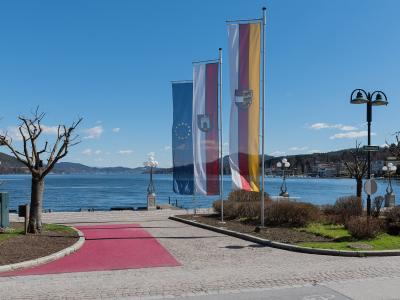
Velden Am Wörthersee
Lakeside town in Carinthia, Austria