Day 1: Alpine Icons: From Crystal Worlds to Highline179
A fast-paced day covering the western and central highlights of Austrian Tyrol. Starting with the artistic Swarovski Crystal Worlds in Wattens, moving to the historic charm of Rattenberg, and concluding with the adrenaline-pumping Highline179 bridge in Zillertal. This itinerary assumes a private car for optimal flexibility and timing.
-
08:00
Drive to Wattens (Swarovski)
Depart from Innsbruck or a central Tyrol location. Drive south towards Wattens. The drive offers scenic views of the Inn Valley.
-
09:00
Swarovski Crystal Worlds
Explore the iconic giant head sculpture by James Turrell and the crystal art museum. Allow time for the park and gift shops.
-
11:00
Drive to Rattenberg
Scenic drive from Wattens to Rattenberg via the Inntal Autobahn and local roads. Approx. 45 minutes.
-
11:45
Explore Rattenberg
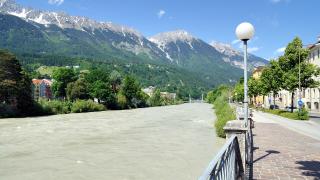
Walk through Austria's smallest town. Visit the medieval castle ruins, see the knife-making workshops, and stroll along the River Inn.
-
13:15
Lunch in Rattenberg
Enjoy traditional Tyrolean cuisine at a local restaurant with views of the river.
-
14:15
Drive to Mayrhofen (Zillertal)
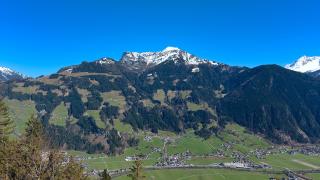
Drive east towards the Zillertal valley. The route involves mountain passes and offers stunning alpine scenery.
-
15:15
Highline179 Bridge
Take the cable car up to the bridge. Walk across the world's longest pedestrian suspension bridge for breathtaking views of the Zillertal Alps. Note: Check weather conditions as the bridge may close in high winds.
-
16:30
Relax at Penken Base
Enjoy a coffee or drink at the base station with mountain views before heading back.
-
17:00
Return to Innsbruck/Hotel
Drive back to your accommodation or starting point.
-
19:00
Dinner in Innsbruck
Dinner in the historic old town of Innsbruck, trying local specialties like Tiroler Gröstl.
Meals:
Lunch at Rattenberg , Dinner at Innsbruck Old Town
Where to stay: Stay in Innsbruck for easy access to public transport and dining, or in the Zillertal area if you prefer a mountain setting.
Getting around: A private car is highly recommended for this itinerary due to the spread of locations (Wattens, Rattenberg, Zillertal). Public transport is possible but will significantly extend travel times and reduce flexibility.
Practical Information
Austrian Tyrol is a year-round destination, but the ideal time to visit depends on your preferred activities. For hiking and clear mountain views, late spring (May–June) and early autumn (September–October) offer mild weather and fewer crowds. Winter (December–March) is optimal for skiing and snowboarding, particularly in resorts like Sölden or Ischgl. Summer (July–August) provides the warmest temperatures for alpine meadows but brings peak tourist numbers. Weather in the Alps is unpredictable; even in summer, afternoon thunderstorms are common, and temperatures drop significantly at higher altitudes.
Getting to Tyrol typically involves flying into Innsbruck Airport (INN) or Munich Airport (MUC) in Germany, which is a major hub with frequent train and bus connections to Tyrolean towns. Once in the region, public transportation is efficient. The Austrian Federal Railways (ÖBB) connect major towns like Innsbruck, Kitzbühel, and Hallstatt, while local buses serve smaller villages. For exploring remote valleys or multiple ski areas, renting a car offers flexibility, though parking in historic town centers can be difficult and expensive. Many attractions require additional tolls or cable car fees, which are rarely included in standard transport passes.
Accommodation ranges from budget hostels in Innsbruck to luxury hotels in ski resorts. Staying in Innsbruck provides a central hub for day trips via train, while lodging in smaller towns like Schwaz or Kufstein offers a more authentic, quieter experience. Booking well in advance is crucial during peak ski season and summer holidays.
Budgeting for Tyrol requires accounting for high costs in popular resort areas. Meals in tourist-heavy zones are pricey; consider grocery shopping for picnics to save money. Cable cars and mountain railways are essential for accessing many viewpoints and trails but add up quickly. A Tyrol Card, available in many regions, can offset these costs by offering free or discounted access to public transport, museums, and attractions.
Pack layers, including moisture-wicking base layers, insulation, and a waterproof outer shell. Sturdy hiking boots are mandatory for trail walking, while comfortable walking shoes suffice for town exploration. Always carry sun protection, as UV intensity increases with altitude, and bring a reusable water bottle. Finally, respect local customs by keeping noise levels down in residential areas and adhering to marked trails to protect the fragile alpine ecosystem.