10 days
Austria First-Timer's Guide
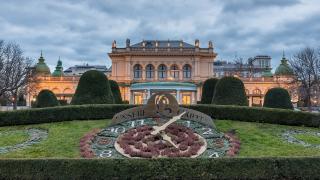
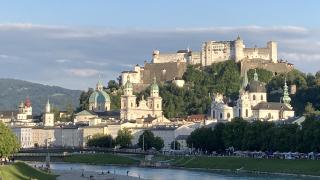
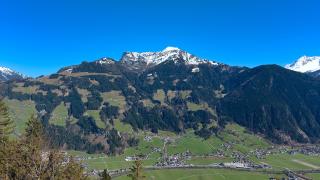
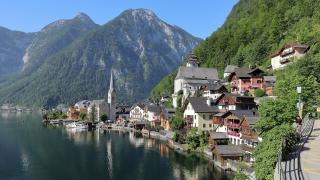
10-day journey through Austria's Alps, cities, and culture
View Itinerary →Popular searches:
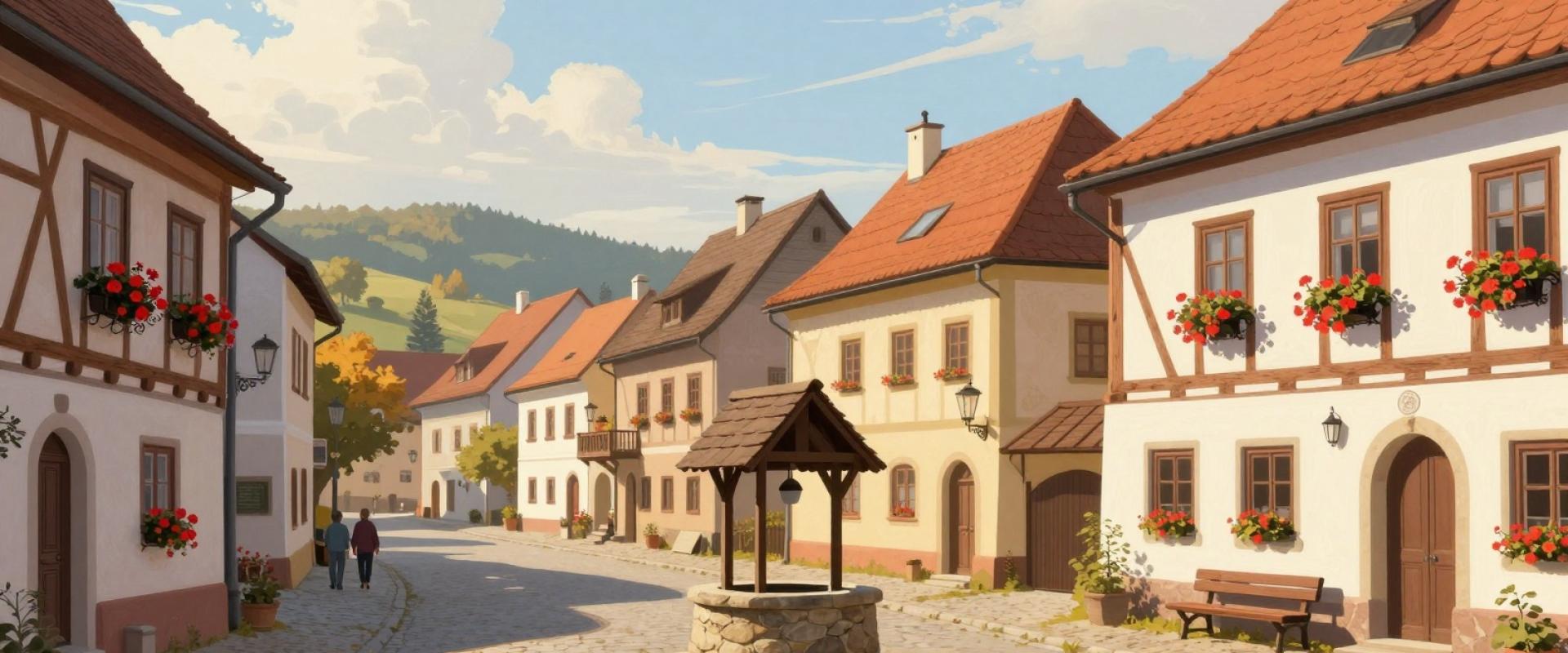
One-day exploration of Lower Austria's heritage
A focused day exploring the southern outskirts of Vienna, featuring the unique underground Seegrotte, the Renaissance elegance of Schallaburg, and the fairy-tale architecture of Burg Kreuzenstein.
Seegrotte Hinterbrühl
Begin the day at Europe's largest underground lake. Take a guided boat tour through the massive salt mine caverns, illuminated by colorful lights. This is a unique geological and historical site.
Lunch in Hinterbrühl
Enjoy a traditional Austrian lunch at a local Gasthaus in Hinterbrühl, sampling Wiener Schnitzel or a hearty soup.
Schallaburg Castle
Travel to Schallaburg, one of the most beautiful Renaissance castles in Austria. Explore the changing exhibitions, the historic courtyard, and the extensive art collections housed within the 16th-century structure.
Burg Kreuzenstein
End the sightseeing portion of the day at Burg Kreuzenstein. This fully furnished medieval castle in Leobendorf is a romantic reconstruction featuring Gothic, Renaissance, and Baroque elements. Explore the interior rooms and the castle grounds.
Where to stay: Stay in Vienna (e.g., 4th, 5th, or 6th district) or in a guesthouse in Leobendorf/Maria Enzersdorf area for a quieter evening.
Getting around: A car is highly recommended for this route to efficiently connect Hinterbrühl, Schallaburg, and Kreuzenstein. Alternatively, use the S-Bahn to Neunkirchen or Baden and take local taxis/buses, though this is less efficient.
10-day journey through Austria's Alps, cities, and culture
View Itinerary →Two-day mountain exploration in Austrian Tyrol
View Itinerary →
We use cookies and similar technologies to ensure the proper functioning of our website, analytics, and to improve your user experience.
By using this website, you consent to the use of necessary cookies.
For more information, please read our Privacy Policy and Terms of Service.