Echoes of the Third Reich: A Historical Ascent
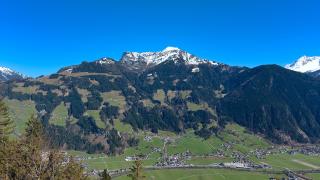
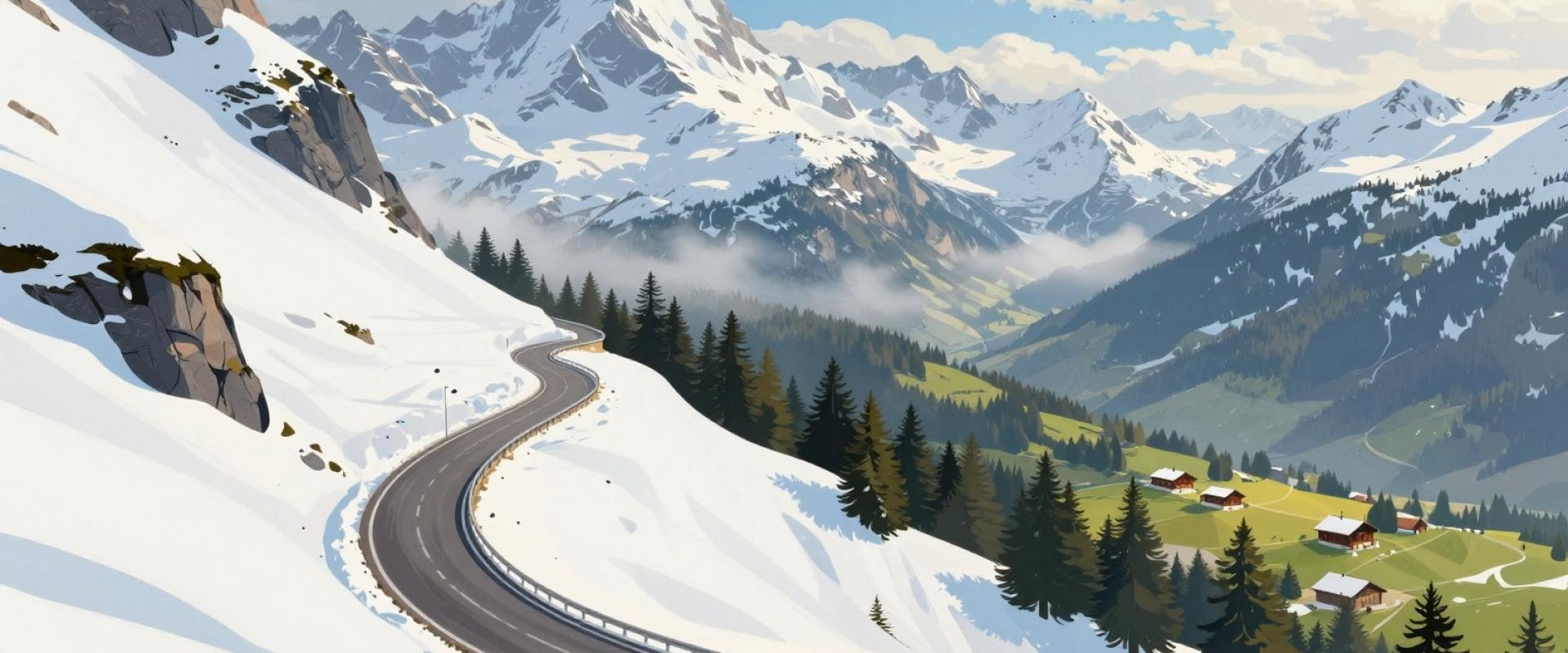
The Grossglockner High Alpine Road, opened to traffic in 1935, is far more than a scenic drive; it is a concrete scar on the landscape that tells a complex story of engineering brilliance and ideological coercion. Spanning 48 kilometers, this arterial route slices through the High Tauern mountains, linking the state of Salzburg with Carinthia and ascending to a dramatic peak elevation of 2,504 meters at the Kaiser-Franz-Josefs-Höhe. While the asphalt glistens under the sun today, it rests upon a foundation built by thousands of workers whose labor was dictated by the political ambitions of a dark era.
This route was never merely about connecting two points on a map. It was conceived as a calculated propaganda spectacle, designed to project the might of the state against the rugged, indifferent backdrop of the Alps. The road’s completion was a political statement as much as it was a logistical feat, showcasing how infrastructure can be weaponized for ideological purposes. Driving it now offers a unique, somewhat unsettling perspective on how history is embedded in the very ground beneath our tires. The imposing presence of the road still hints at the heavy hand that shaped it, forcing drivers to confront the reality that beauty and brutality often share the same foundation.
Planning a journey up the Grossglockner requires more than just a map; it demands respect for the mountain’s whims and rules. The window for safe travel is narrow, typically running from late May to late September. Before the snow fully yields, the high passes remain treacherous, so timing is everything. Access is strictly limited to two entry points: Ferleiten in the south or Heiligenblut in the east. Choose your starting point wisely, as the ascent from each side offers distinct geological profiles and traffic patterns.
Preparation begins before you even reach the toll booths. Caravans, trailers, and buses are strictly prohibited on these narrow, winding roads. The infrastructure was not built for such bulk, and attempting to bring one along will result in immediate denial of entry. Have your payment method ready, as toll fees are mandatory and non-negotiable. But beyond the logistics, the drive itself demands a shift in mindset. This is not a highway for conquest or speed. The curves are tight, the drop-offs are steep, and the views are dizzying.
Treat your vehicle as an extension of your awareness rather than a tool for dominance. Overtaking is rarely an option and often unsafe. Instead, let the landscape dictate your pace. The serpentine bends require constant, focused attention, and the mountains do not care for your schedule. Patience is the only currency that matters here. If you rush, you risk missing the subtle details and endangering yourself and others. Drive with grace, not aggression.
The Pasterze Pause: Where Ice Meets Sky
At the apex of the journey lies the Kaiser-Franz-Josefs-Höhe platform, a concrete promontory that juts out over the Pasterze Glacier. This is not a place for casual sightseeing; it is a confrontation with raw geological power. Below, the Pasterze—the largest glacier in the Alps—moves with glacial slowness, carving stone and shaping valleys over millennia. From your vantage point, you are witnessing a force that operates on a timescale entirely disconnected from human urgency.
The Grossglockner peak dominates the skyline, its jagged silhouette cutting sharply against the often-cloudless blue sky. Standing on that platform, the noise of modern life fades, replaced by the crisp, thin air of high altitude. You quickly realize that this spot is less about capturing a photo and more about witnessing the earth’s slow, majestic breath. The ice below is alive, albeit imperceptibly so, shifting and cracking in ways that remind you of the planet’s dynamic nature. It is a humbling experience, one that grounds you in the sheer scale of the Alps. Take a moment to breathe. Let the silence of the ice speak.
Sanctuaries in Stone: Overnight in Heiligenblut or Lienz
After descending from the heights, the choice of where to rest can shape the tone of your entire trip. Heiligenblut offers a deep dive into spiritual history. The town is anchored by the St. Lawrence Parish Church, which guards a 10th-century ivory Madonna. This fragile artifact has survived centuries of war, weather, and time, standing as a testament to endurance. Visitors often stand in silence before it, struck by the sheer age and delicacy of the carving. It feels less like a museum piece and more like a living relic, connecting the present to a distant, pious past.
For those seeking a different rhythm, Lienz offers a blend of accessibility and culinary warmth. Located in the Drava Valley, this town is a gateway to traditional Gasthof experiences. These family-run inns serve hearty Tyrolean meals after a day of hiking, creating an atmosphere that is both cozy and authentic. The wood paneling, local wine, and hearty stews provide a comforting contrast to the austerity of the high peaks. Here, hospitality is not just a service but a cultural tradition.
Choose your base based on what you seek. Heiligenblut provides spiritual weight and historical depth, ideal for those who want to connect with the region’s past. Lienz delivers convenience and culinary richness, perfect for travelers who want to relax and recharge. Both towns demand that you slow down. The mountains do not rush, and neither should you. Let the stone and silence of these sanctuaries ground you before you head home.