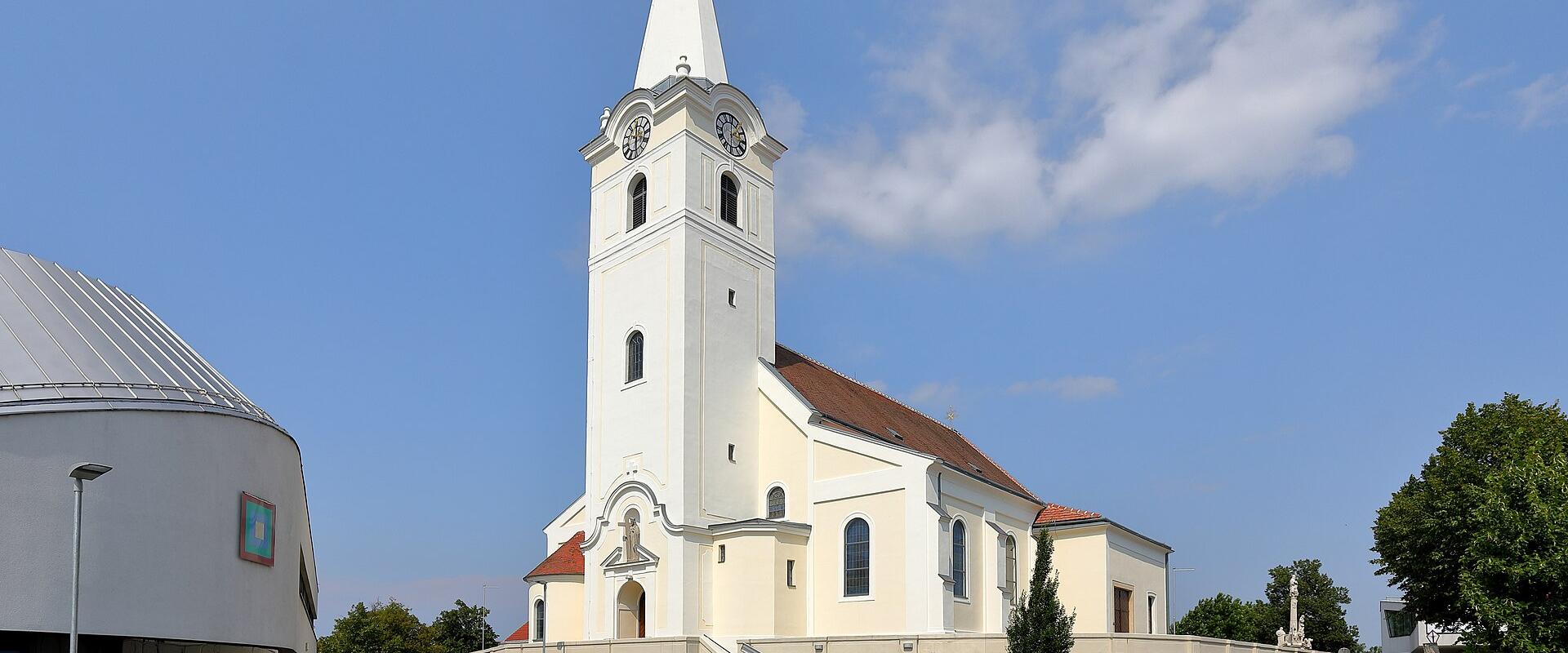
Deutschkreutz
Wine region town in Burgenland, Austria
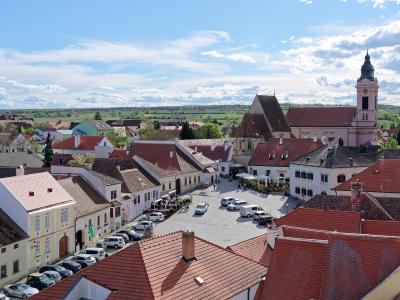
Deutschkreutz lies in Mittelburgenland, the middle part of Burgenland, in a landscape of low hills that run down toward the Hungarian plain. The border is only a few kilometres away, and the town, whose name means German Cross, stands opposite Hungarian Sopronkeresztúr, Hungarian-speaking until 1921, when this part of the former Kingdom of Hungary became part of Austria. The history of the area is therefore a mix of German, Hungarian and Croatian influences, visible in names, food and church life.
The wine is the reason most people come. The local red grape, Blaufränkisch, is the pride of the region, which calls itself the Blaufränkischland. The deep, spicy red wines made from it have won an international reputation, and many producers are located in Deutschkreutz and neighbouring villages such as Horitschon and Neckenmarkt. The soils are heavy clay and loam, and the warm climate, with mild nights in autumn thanks to the nearby Lake Neusiedl, helps to give the wines structure and depth. Cellar doors welcome visitors, usually with a tasting, and Heuriger taverns serve their own wine with simple food. Check opening times, since many estates open by appointment.
The Burgenland Wine Trail, the Burgenländischer Weinsteig, is a signposted walking route that crosses the Mittelburgenland vineyards, with viewpoints and information boards on the grapes and the soil. Sections are short enough for a morning's walk. Cyclists can follow marked routes between villages, and the terrain is gentle.
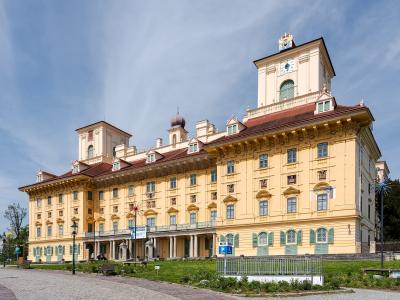
Schloss Deutschkreutz, also known by its Hungarian name Szentmihály, is a historic residence of the Hungarian noble families who owned the area, and parts of the building are used for cultural events and exhibitions; local sources say it holds an art collection. The Parish Church of St. Michael is the main church, and local sources associate the painter and graphic artist Anton Lehmden, a Burgenland artist known for his fantastic realism, with the region's art scene. These details change with the exhibition calendar, so ask at the tourist office before visiting.
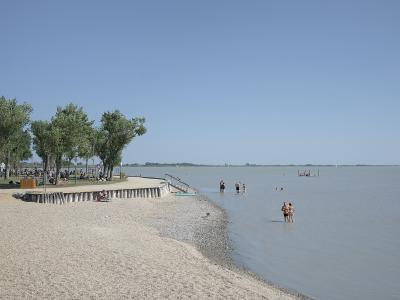
A small lake, the Heidegger See, lies on the edge of the town and offers a quiet walk, birdwatching and, in summer, a place to sit by the water. For bigger water, Lake Neusiedl, the large steppe lake, is about 40 kilometres to the north-east, and the Fertő/Neusiedlersee landscape is within an easy day trip.
The community holds an annual wine festival in late summer and harvest events in autumn, along with open-cellar days and village fairs. Local gastronomy features goose in November around St. Martin's Day, goulash, strudel and Burgenland sausages, and the mineral water produced in the district complements it.
The best time to visit is from May to October, with September and early October the most atmospheric, as the harvest is under way. Summer is hot, good for swimming in the lake, and spring and autumn are mild. Winters are quiet and many taverns close.
Getting there is simple by car: Deutschkreutz is about an hour and a quarter from Vienna via the A3 and the road toward Oberpullendorf, and the Hungarian border crossing to Sopron is nearby. Regional trains run on the line from Vienna to Sopron via Wiener Neustadt, and buses connect with Oberpullendorf and Eisenstadt, but a car or bicycle gives the most freedom.
Did you know?
Interesting, verified facts about Deutschkreutz
Deutschkreutz Has a Distinct Local Story
HistoryNestled in the heart of Burgenland, Deutschkreutz offers a serene escape into the rolling vineyards of eastern Austria.
Source: Burgenland - WikipediaPlan Your Visit to Deutschkreutz
Essential travel tips and information for your trip to Deutschkreutz.
Suggested Itineraries
One Day in Deutschkreutz
1 dayPerfect for a quick visit. See the main highlights and get a taste of local culture.
Extended Deutschkreutz Experience
2-3 daysComprehensive exploration including nearby attractions and cultural experiences.
Travel Tips
Currency
EUR • Cards widely accepted
Language
German • English in tourist areas
WiFi
Free WiFi in cafes and hotels
Explore Deutschkreutz by Interest
Discover attractions and experiences in Deutschkreutz organized by your interests and travel preferences.

All attractions in Deutschkreutz
Sorted by our recommendation score
Quick Facts
Book your stay
Frequently Asked Questions
More destinations in Burgenland
Explore other amazing places in the Burgenland region