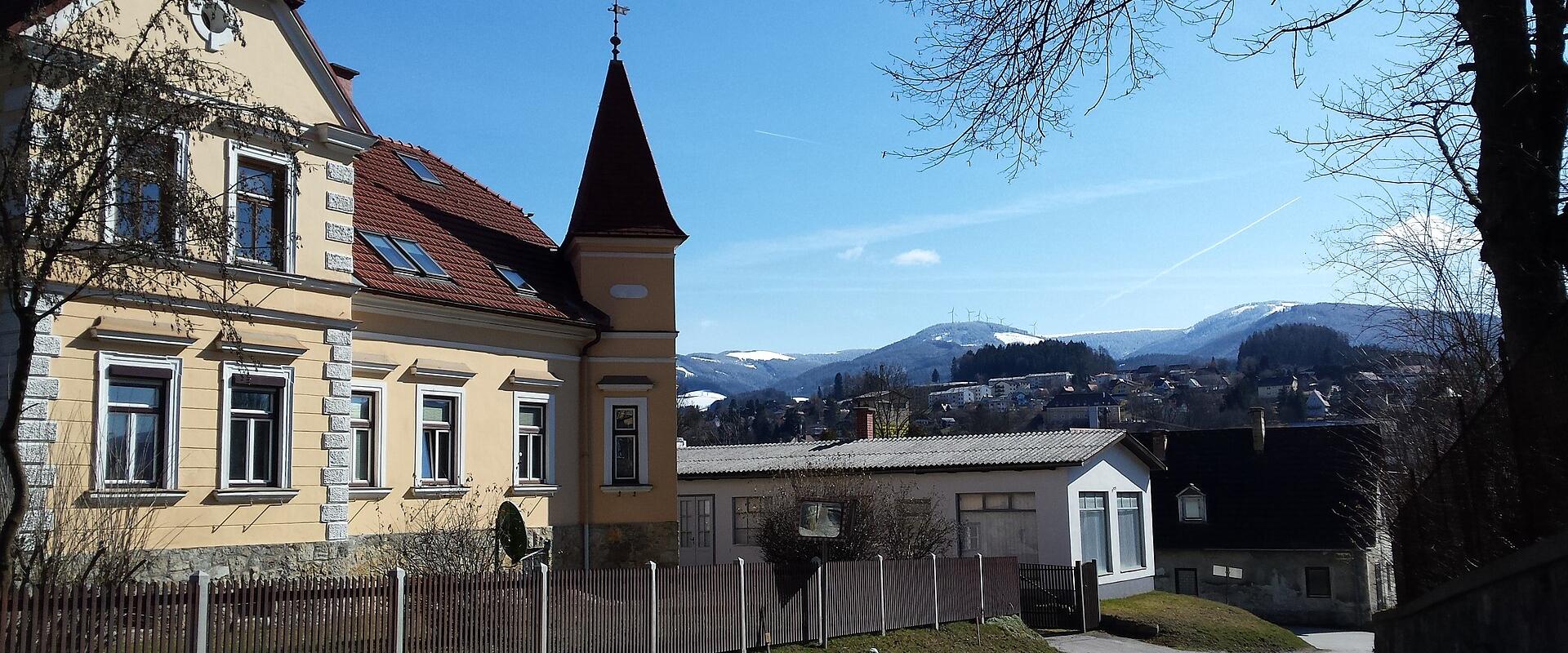
Mürzzuschlag
Historic railway town in Styria near Semmering Pass
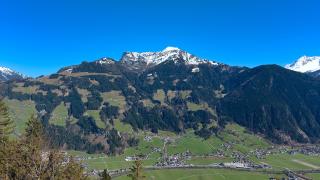
Mürzzuschlag lies in the Mürz Valley, at about 670 metres, where the Mürz river leaves the high ground below the Semmering and flows toward Bruck an der Mur, where it meets the Mur. The mountains close in on both sides, with the Veitsch and the wider Hochschwab range to the west and the Fischbach Alps to the east. Styria is a land of mountains, and the valley location means a mild, slightly damp climate with good snow in winter, which later mattered for the town's sporting life.
The town's history rests on iron and water. Chartered in the Middle Ages, it grew as a place where hammer mills used the fast Mürz for forging, and ironworks shaped its economy for centuries. The Semmering Railway, completed in 1854, added a new layer: Mürzzuschlag became the southern railway junction of the line connecting Vienna with Trieste, and large workshops and rail facilities employed much of the population. The Austrian railway heritage is visible in the station area and in the villas and hotels that the line brought, and the railway as a whole is a UNESCO World Heritage Site. The Semmering Pass, the high point on the route, is a short way up the valley, and the town makes an easy base for walking sections of the line.
Winter sport is the second theme. In the 1890s, Mürzzuschlag was the first place in Austria to organise skiing as a club sport, and, in the history of skiing in Europe and Austria, a local pioneer, Toni Schruf, founded one of the first ski clubs in the Alps. A Winter Sports Museum, the Wintersportmuseum, tells this story with historic skis, sleds, skates and photographs, and it explains how winter sports developed in the Alps. It is a good rainy-day stop. The surrounding hills still offer small ski areas and cross-country trails.
Music is the third. Johannes Brahms spent the summers of 1884 and 1885 in Mürzzuschlag, working on his Fourth Symphony, and the house where he stayed is now a memorial and museum, with a concert series in the summer. Visitors with an interest in the composer can combine the museum with a stroll along the river.
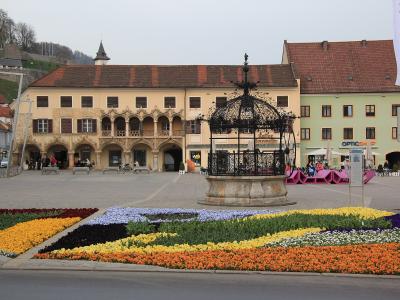
The town centre is small and walkable. The Parish Church of St. John the Baptist, with parts dating to the fifteenth century, stands near the main square, and historic townhouses and a small town museum lie nearby. The Styrian architecture mixes Gothic and Baroque elements with the industrial buildings of the iron era. A river promenade and parks offer green space.
For outdoor activity, the hills around the town offer walking and mountain-biking trails, from easy valley paths to ascents of the nearby peaks. The Hochschwab Nature Park lies to the west, a few kilometres away, with limestone plateaus, gorges and alpine meadows; the Mountains around the town offer wild country in every direction. Rail enthusiasts can ride the Semmering line itself, with regular trains running through the tunnels and over the viaducts toward Gloggnitz in Lower Austria. In summer, a local Festival of railway and cultural events is staged, usually celebrating the Semmering heritage; dates change from year to year.
Styrian food dominates the menus. Pumpkin seed oil, the dark green oil used on salads and in soups, is the regional signature, along with Backhendl, hearty meat dishes, dumplings and sweet cakes. Local inns and bakeries sell bread, strudel and sausages, and the farm shops in the valley supply cheese and honey.
The best time to visit is early July to mid-August for warm weather, hiking and railway exploration, though May and September are also pleasant and quieter. Winters are cold and often snowy, good for skiing in the nearby hills and for Advent markets.
Getting to Mürzzuschlag is straightforward. The town lies on the main railway line, with frequent trains from Vienna in about an hour and a half to two hours, from Graz in under an hour and, with connections, from Budapest. By car, the S6 Semmering Schnellstraße runs past the town, with an exit for the centre, and the old road over the Semmering is a scenic alternative. Local buses link the town with nearby villages. Slovenia is about two hours away by road, and Styria's rail services also continue through Graz toward the Slovenian border and Trieste farther south.
Best Time to Visit
Visit from early July to mid-August for warm weather ideal for hiking and railway exploration.
Did you know?
Interesting, verified facts about Mürzzuschlag
Mürzzuschlag Has a Distinct Local Story
HistoryMürzzuschlag is a town in the district of Bruck-Mürzzuschlag in the state of Styria, Austria.
Source: Bruck-Mürzzuschlag District - WikipediaMürzzuschlag Has UNESCO-Linked Heritage
RecordThe town is historically significant as a major railway junction, particularly for the Semmering Railway, a UNESCO World Heritage Site.
Source: Bahnhof Mürzzuschlag - WikipediaPlan Your Visit to Mürzzuschlag
Essential travel tips and information for your trip to Mürzzuschlag.
Suggested Itineraries
Travel Tips
Currency
EUR • Cards widely accepted
Language
German • English in tourist areas
WiFi
Free WiFi in cafes and hotels
Explore Mürzzuschlag by Interest
Discover attractions and experiences in Mürzzuschlag organized by your interests and travel preferences.
All attractions in Mürzzuschlag
Sorted by our recommendation score
Quick Facts
Book your stay
Frequently Asked Questions
More destinations in Styria
Explore other amazing places in the Styria region