Rust
Smallest city in Austria, famous for sweet wines and storks
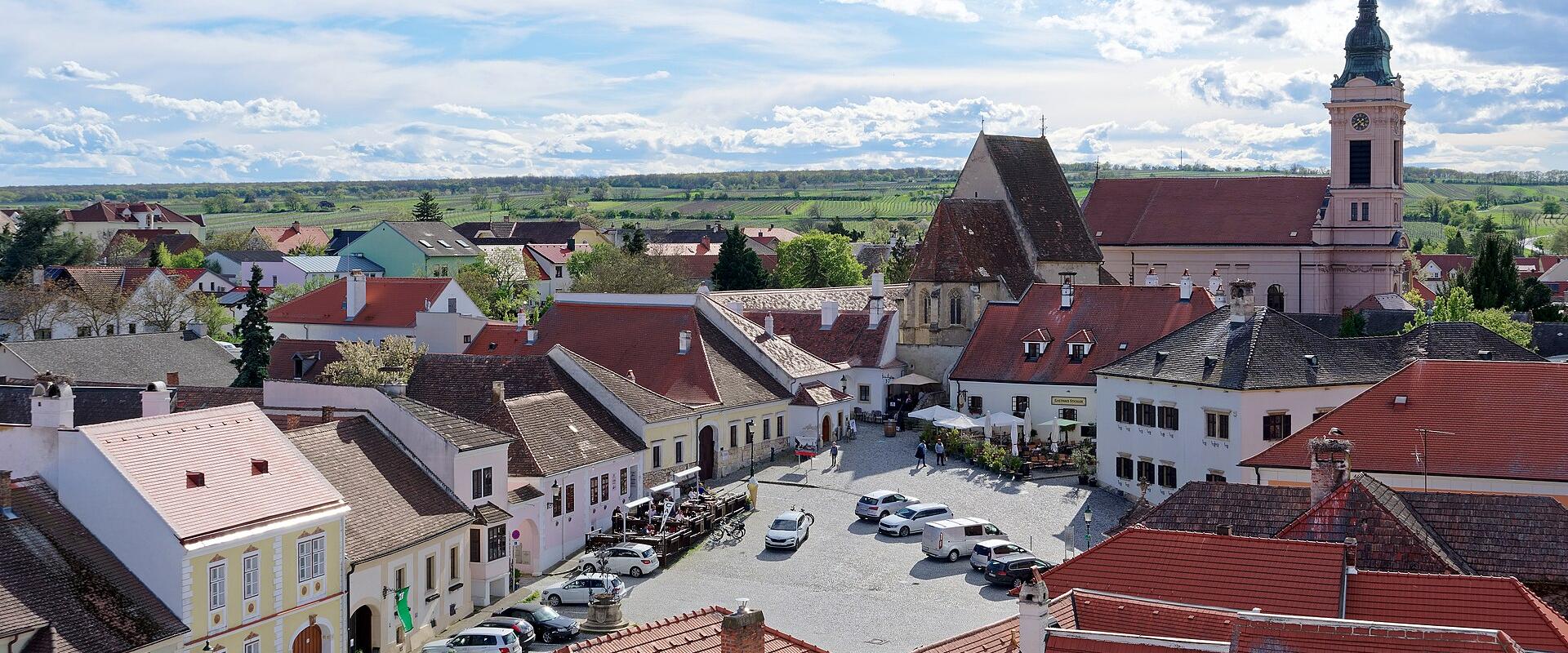
The Free City of Rust, in Burgenland, sits on the western shore of Lake Neusiedl, at the edge of the reed belt, with the vine-covered slopes of the Leithagebirge rising behind it. The town has about 1,900 inhabitants and is the smallest city in Austria by population, a statutory Free City in its own right, though for statistical purposes it is sometimes grouped with the Eisenstadt-Umgebung district. Its location, on a warm, dry slope beside a shallow lake, is ideal for wine.
The history of the town's independence is distinctive. Tradition links early privileges to King Béla IV of Hungary in the thirteenth century, but the decisive moment came in 1681, when the town, then part of the Kingdom of Hungary under Habsburg rule, bought the status of a royal free city from Emperor Leopold I for 60,000 guilders and 500 buckets of Ausbruch wine. The privilege allowed the people of Rust to govern themselves, hold markets and bear their own seal, and the town still carries the status today. The Habsburgs confirmed it, and the burghers built the Baroque houses that line the old town.
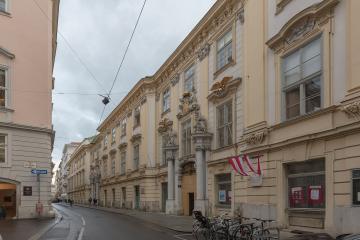
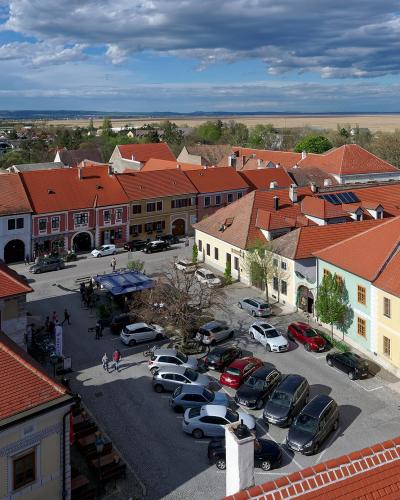
The best way to see the Old Town of Rust is on foot; Rust's lanes are small and the City is easy to cover. The Rathausplatz, the town hall square, and the surrounding lanes are lined with tall, narrow houses with arched carriage gates, flower-filled courtyards and façades in pastel colours, and many have storks' nests on their roofs. White storks arrive every spring from Africa, and the nests, among the most numerous in Austria, are a local emblem. A walk through the Town takes an hour, and the best time to see the storks is from April to August.
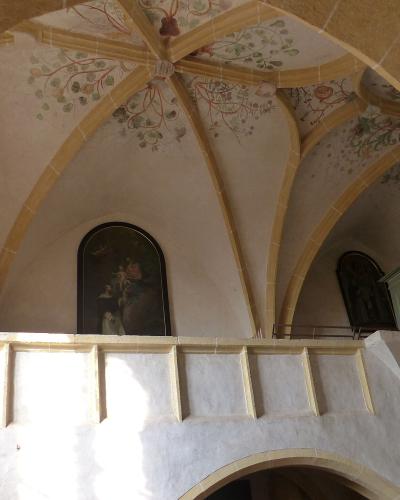
The Fischerkirche, the Fishermen's Church, a Gothic building with a fortified tower, stands in the centre. It dates from the thirteenth century, and its walls hold fragments of medieval frescoes. It was also a refuge in times of war, and the surrounding walls and tower recall its defensive role. A small Chapel and other churches add to the town's religious sights. The Kremayrhaus houses the Stadtmuseum, the town museum, which presents the history of Rust, its wine and its unusual status.
Wine is the core of the town's identity. The Ruster Ausbruch, a sweet wine from grapes affected by Botrytis cinerea, the noble rot, which thrives in the humid autumn mist from the lake, has been produced since the Middle Ages and received a protected designation of origin. It tastes of honey, apricot and nuts. Rust also produces dry white wines and red wines such as Blaufränkisch and Zweigelt, and many estates sell directly from their courtyards. The Heuriger taverns in the old town serve their own wine with simple dishes under a green branch, and opening days are posted at the door.
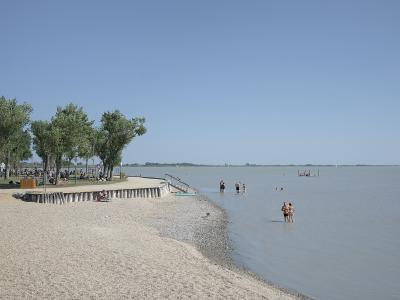
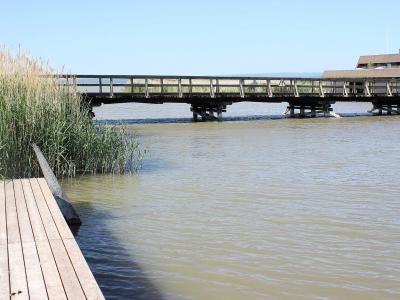
Outside the town, the lake is a short walk away. The shore has a large lido with a seasonal bathing area, a harbour and boats, and from the pier a path leads through the reeds to open water. Sailing, windsurfing and rowing are available, and in summer a ferry crosses to the eastern shore. Rust lies within the Neusiedler See-Leithagebirge Nature Park and within the UNESCO World Heritage cultural landscape, and the Biosphere Reserve covers the reed belt, so birdwatching is a pleasure here. Observation points and walking routes are marked.
Cycling is popular. The lake cycle route passes through Rust, and the villages of Mörbisch to the south and Oggau to the north are easily reached. A trip to the Hungarian side, via the border near Mörbisch, takes cyclists to Fertőrákos and the Baroque palace at Fertőd. Illmitz and Podersdorf, on the eastern shore, can be reached by ferry or by a longer ride.
The best time to visit is from May to September, with June ideal, when the storks are on their nests, the cellars are open and the lake is warm. July and August are the hottest, and September brings harvest and new wine. Winters are quiet, with ice sometimes forming on the lake, and many businesses close.
Getting there is simple by car: Rust is about an hour from Vienna via the A3 and the road toward Eisenstadt, and Budapest is about two and a half hours by road. Buses connect the town with Eisenstadt and Neusiedl am See, where trains from Vienna stop, and the lake cycle route provides a car-free link in summer. August and the long weekends are the busiest times, so booking ahead is wise.
Best Time to Visit
Visit from early June to mid-September for warm weather ideal for wine tasting and lakeside activities.
Plan Your Visit to Rust
Essential travel tips and information for your trip to Rust.
Suggested Itineraries
Travel Tips
Currency
EUR • Cards widely accepted
Language
German • English in tourist areas
WiFi
Free WiFi in cafes and hotels
Explore Rust by Interest
Discover attractions and experiences in Rust organized by your interests and travel preferences.
All attractions in Rust
Sorted by our recommendation score
Quick Facts
Book your stay
Frequently Asked Questions
More destinations in Burgenland
Explore other amazing places in the Burgenland region