Wolfsberg
Historic Carinthian city near Koralpe mountains
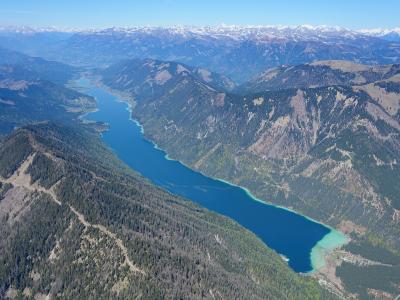
Wolfsberg lies about 70 kilometres east of Klagenfurt, in the Lavanttal, a broad north-south valley that is separated from the rest of Carinthia by the Saualpe and from Styria by the Koralpe. The Lavant river flows through the valley and the city, and the surroundings are gentle, with orchards, meadows and forested slopes. The climate is milder than in much of Austria, and the valley is known for apples, pears and asparagus, which appear on the menus in spring.
The history of the place goes back to the Middle Ages. A castle was built on a rock above the river in the twelfth century, and the town grew beneath it as a market and trading centre. The Bamberg bishops, who held the Lavanttal for centuries, ruled from the castle, and the town received market and fortification rights in the Middle Ages. The long main street, wide and lined with arcaded houses of the sixteenth to eighteenth centuries, reflects the town's prosperity from trade and mining.
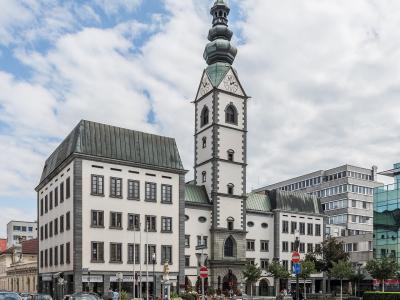
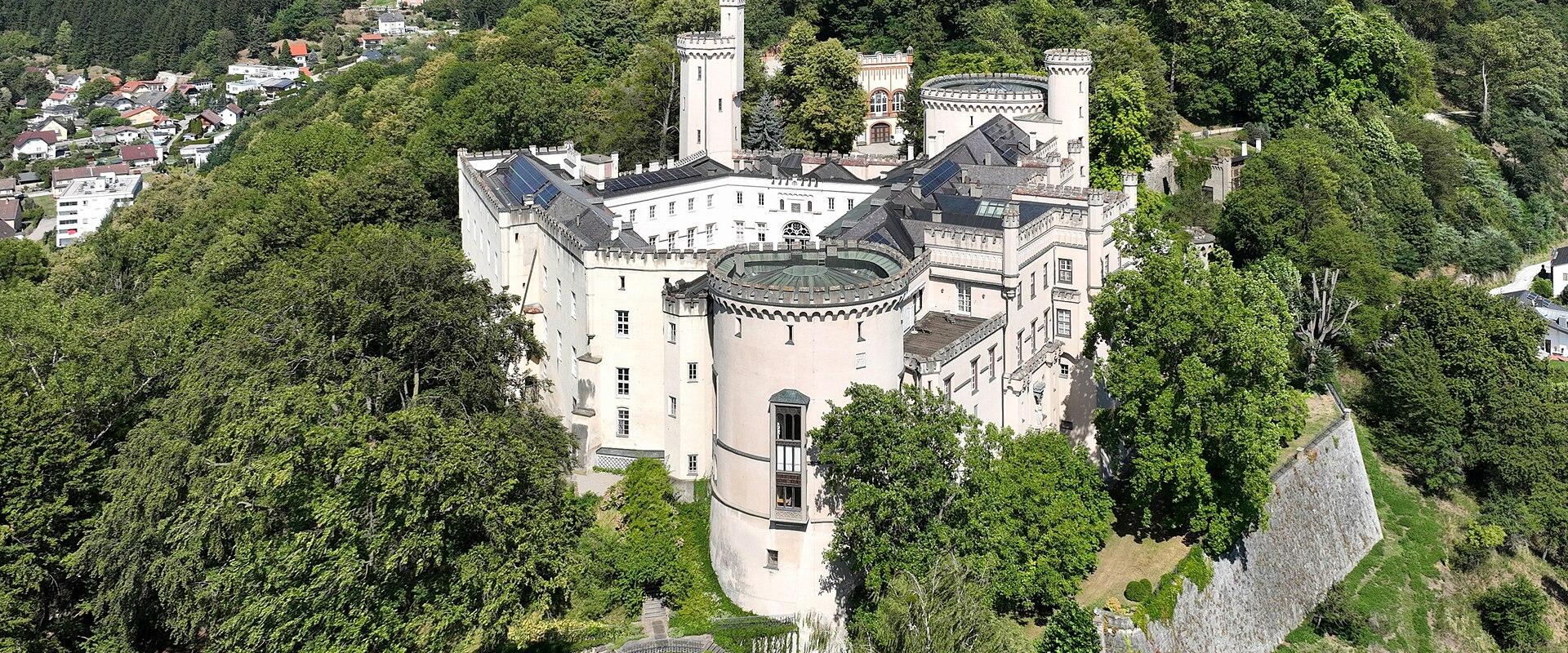
The main landmark is the parish church, the Pfarrkirche St. Markus, or St. Mark's Church, whose tall tower is visible from afar. It is a Gothic church with later Baroque alterations, and its interior contains altars, a pulpit and wall paintings. A short walk leads to Schloss Wolfsberg, on its hill. The castle was extensively rebuilt in the nineteenth century by the Henckel von Donnersmarck family, who owned the nearby ironworks, and it has the look of a romantic historicist residence. Parts of it are used for events and offices, so access can be limited.
The Museum im Lavanthaus, in a historic building in the centre, presents the history of the valley, with artifacts from prehistoric times, the mining and craft past and everyday life in the region. Small and well-organised, it is a good place to understand the Lavanttal's character. The wider district, the Wolfsberg District, also has several smaller museums and churches, and the Parish church of St. Andrä, and the Gothic parish church of St. Andrä in the next town is known for its frescoes.
Outdoors, the Koralpe, a long ridge reaching about 2,140 metres, offers hiking trails through forests and alpine meadows in summer, and a small ski area with lifts in winter. The ridge is also the border with Styria, and from its summit there are views across to the Alps. The Lavanttal cycle route, called the Lavanttal Path, follows the Lavant River through the valley and links towns and villages, with gentle terrain. Mountain biking, walking and horse riding are other options.
Football is part of the town's identity: its club, WAC, competes in the top Austrian league and has played in European competition, drawing attention to a small town. Cultural life includes a June summer festival, concerts in the castle and a Christmas market in December.
Food in the Lavanttal is Carinthian with an orchard accent. Kärntner Kasnudeln, Reindling, roast pork and dumplings appear on menus, along with asparagus dishes in spring, apple juice, cider and fruit schnapps. Local farms sell cheese and bacon.
The best time to visit is from May to October, with August warm, June for blossom and spring for asparagus and blossom, summer for walking, and autumn for apples and colour. March and December bring skiing on the Koralpe and the Advent market respectively.
Getting there is simple. Wolfsberg has railway stations on the Lavanttal line, with connections toward Klagenfurt and, via the Styrian border, Graz, which is about 90 minutes away by road. By car, the A2 motorway passes the valley, with exits at Wolfsberg, and Vienna is about three hours away. Local buses connect the town with villages and the mountain.
Best Time to Visit
Late June to late August offers warm weather ideal for hiking and outdoor activities in the region.
Plan Your Visit to Wolfsberg
Essential travel tips and information for your trip to Wolfsberg.
Suggested Itineraries
One Day in Wolfsberg
1 dayPerfect for a quick visit. See the main highlights and get a taste of local culture.
Extended Wolfsberg Experience
2-3 daysComprehensive exploration including nearby attractions and cultural experiences.
Travel Tips
Currency
EUR • Cards widely accepted
Language
German • English in tourist areas
WiFi
Free WiFi in cafes and hotels
Explore Wolfsberg by Interest
Discover attractions and experiences in Wolfsberg organized by your interests and travel preferences.
All attractions in Wolfsberg
Sorted by our recommendation score
Quick Facts
Book your stay
Frequently Asked Questions
More destinations in Carinthia
Explore other amazing places in the Carinthia region