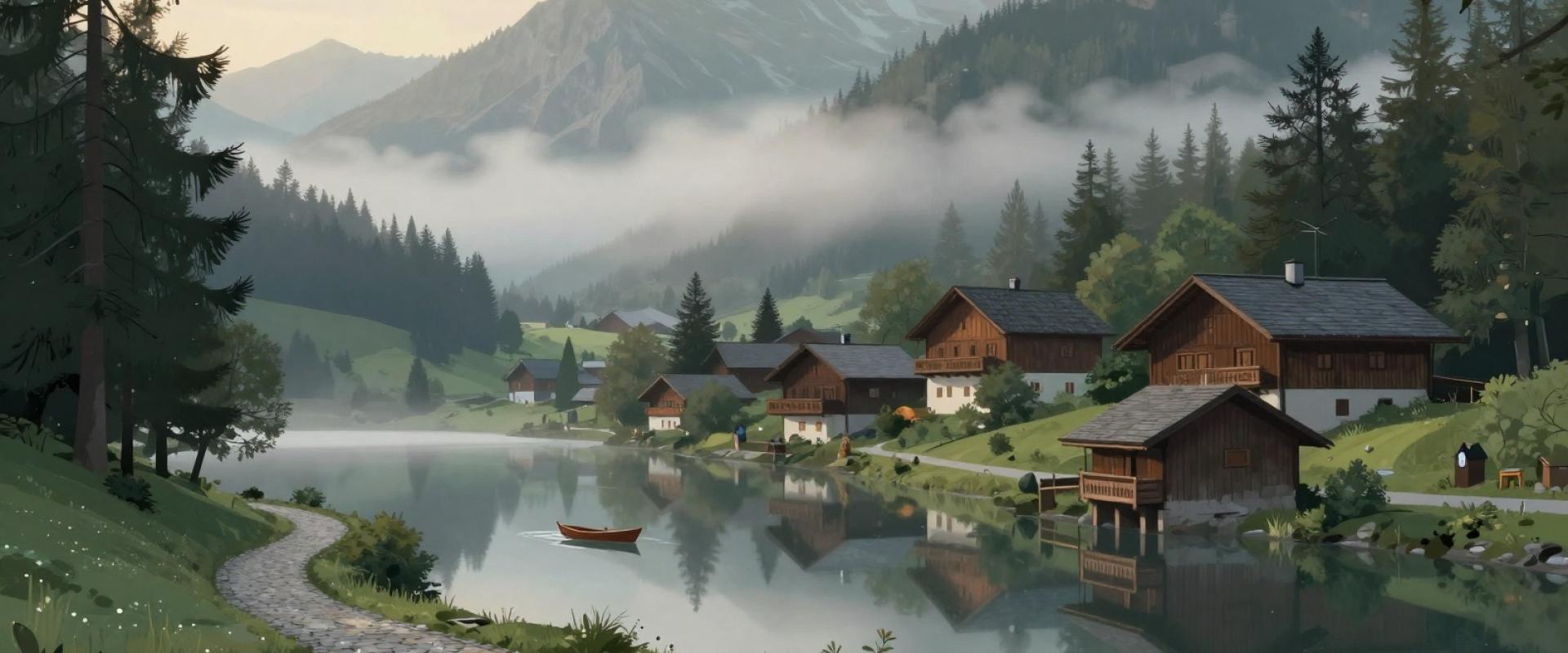
The Golden Hour at the Skywalk
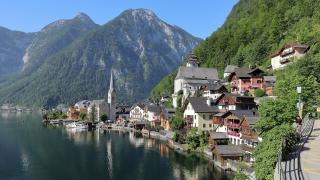
Mist still clings to the Dachstein peaks when you first step onto the Skywalk, creating a profound stillness that feels almost sacred. Suspended above the azure depths of Lake Hallstatt, the glass platform offers more than just a view; it presents a striking conversation between baroque history and modern engineering. The sleek, cantilevered steel structure overlooks the 16th-century salt mines, where workers have extracted rock salt since 1311, creating a visual tension that is both jarring and beautiful.
This specific window of time belongs entirely to you. While cruise ships will eventually dock and crowds will gather later in the day, the early morning hours offer a rare, unspoiled serenity. I remember a quiet Tuesday in November, watching the sun crest the mountains and illuminate the church’s twin towers in hues of gold and rose, with not a single camera shutter clicking to break the peace. The nearby mine entrance remained hushed, allowing the echoes of history to resonate without the distraction of tourist chatter.
Paying the EUR 15 entry fee feels less like a transaction and more like an investment in solitude. As the light shifts and the village begins its daily awakening, you have already witnessed the town’s most authentic self. This fleeting moment captures the enduring legacy of Austrian resilience, where nature and history coexist in perfect, unspoiled harmony.
Domiciles of Dawn
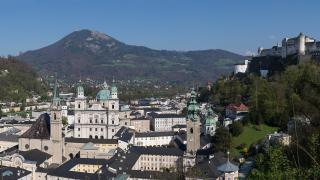
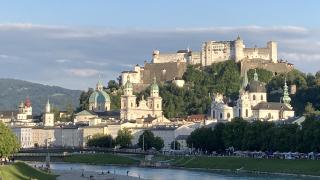
The Salzach River catches the first light, casting gold on Baroque spires long before the first cruise ship anchors. Most travelers book rooms in the main square, only to find their view blocked by asphalt parking lots rather than alpine peaks. Instead, look for guesthouses tucked into the eastern slopes, where the morning hush holds sway until the 8:30 AM tourist buses disrupt the peace.
I recall staying at the Haus am See, where a breakfast terrace framed the misty lake at sunrise. The crisp air, heavy with pine resin and damp soil, offered a sensory experience far superior to any standard hotel amenity. That solitude was a privilege, reserved for those willing to rise before the crowds.
The Habsburgs understood this quietude. They sought refuge in such stillness, balancing power with peace. Today, the dawn breaks slowly over the Dachstein, painting a canvas untouched by footprints. Stay in these hidden spots to witness the Alps in their purest state. This tranquility is fleeting, yet it remains a gift from the mountains to those who know how to wait.
The Shadow Play of the Old Cemetery
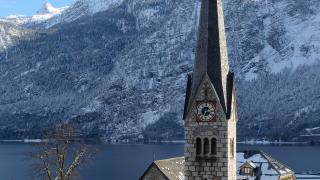
When the last cruise ship slips away from the dock, Hallstatt exhales. I find my way to the Alter Friedhof as the sun dips low, casting long, melancholic shadows across the slate tombs. The air turns crisp, carrying the distinct scent of damp earth and ancient stone—a sharp departure from the day’s humidity. This quiet sanctuary offers a classic postcard view without the usual throngs of tourists, allowing you to capture the iconic church spire reflected in the lake, framed by weathered headstones that seem to whisper of centuries past.
Late afternoon light bathes the landscape in a dramatic, artistic glow, transforming the scene into a living painting. For photography enthusiasts seeking solitude, the interplay of light and shadow creates a compelling canvas. Entry remains free, though a small donation to the parish is a kind gesture. Arrive by 5:30 PM in summer to secure the best vantage points before the golden hour fades.
The silence here is profound, a stark contrast to the bustling market square above. It feels less like a tourist attraction and more like a private moment with history. The enduring legacy of these families remains etched in stone, silent yet powerful. In this stillness, I find the true soul of the Salzkammergut region, far removed from the noise. Beauty often lies in such quietude, reminding us to pause and listen.