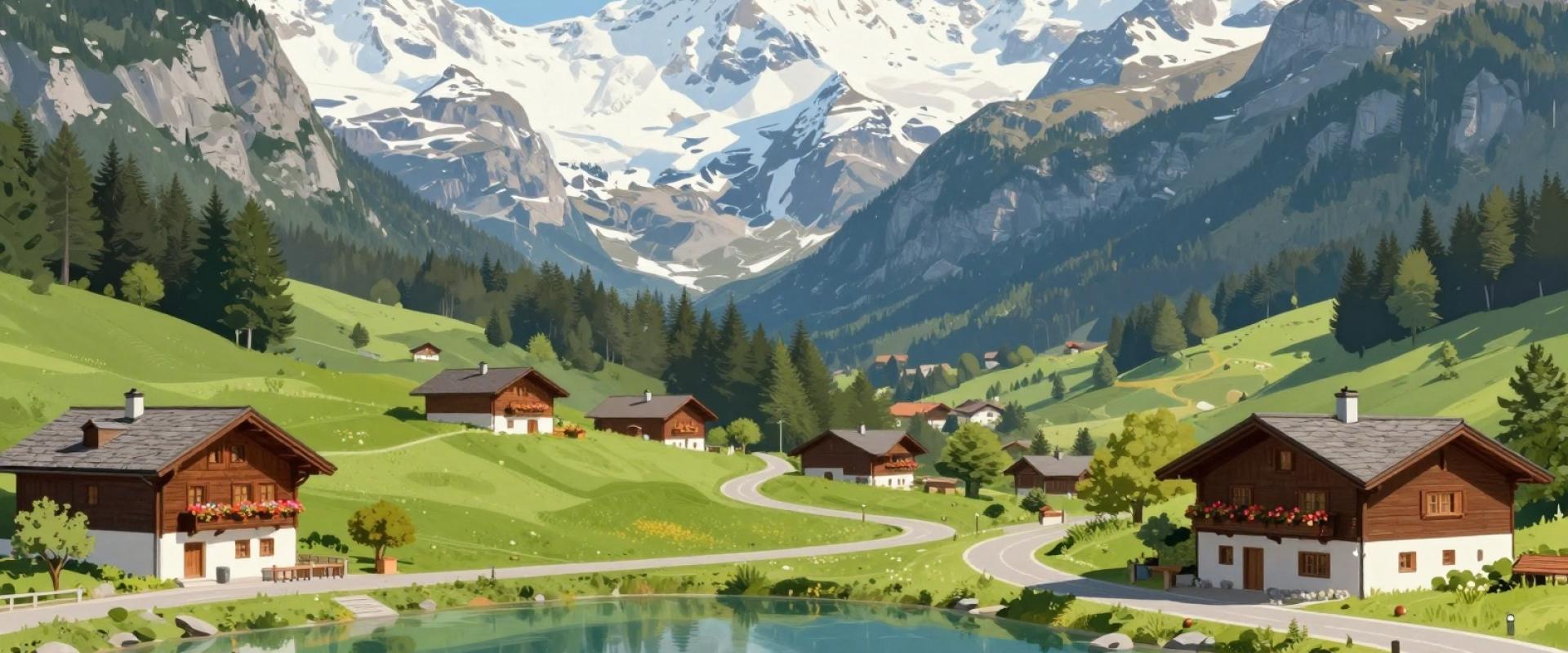
Baroque Beginnings and Cobblestone Dreams
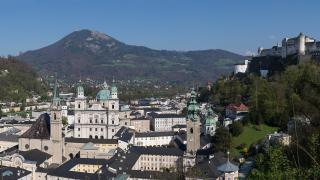
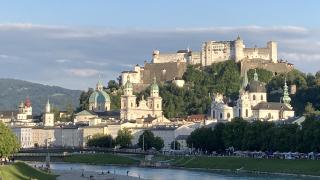
Salzburg does not merely present itself; it performs. The UNESCO-listed Old Town unfolds with a baroque elegance that feels less like a museum exhibit and more like a living stage. Here, the Salzach River carves a lazy path past the Mozart Residence, while sunlight strikes the Hohensalzburg Fortress with dramatic intensity, casting long, angular shadows across the ancient cobblestones. This imperial prologue sets a specific tone: one of refined history ready to be disrupted by raw nature.
Your narrative begins at Getreidegasse 9. Step through the arched gateway to stand on the exact spot where Wolfgang Amadeus Mozart drew his first breath in 1756. The iconic golden sign above the door remains polished to a mirror shine, a beacon inviting you into centuries of musical genius. But the composer’s birthplace is merely the starting line. From this historic center, the trajectory shifts upward, pointing toward the Grossglockner High Alpine Road. Leave the urban charm behind as the road promises a serpentine ascent through rugged peaks, transforming the gentle flow of city life into the majestic, thinning air of the high alps.
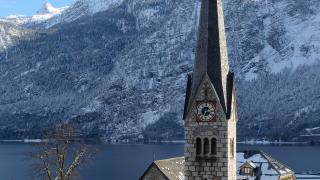
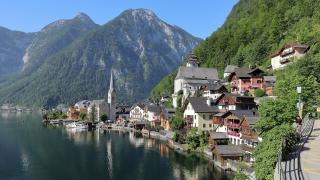
Hallstatt demands a tactical approach. To experience the village in its truest form, you must beat the clock. Arrive before 8 AM, parking at the bus terminal and taking the shuttle into the narrow, pedestrian-only streets. This simple logistical choice saves you the stress of circling for space and, more importantly, grants you the silence needed to appreciate the Stilbrücke.
Walk across this distinctive footbridge in the soft, early light. Before the tour buses unload their cargo, you can observe the village’s reflection in the lake without the distraction of selfie sticks. From there, descend into the depths. The Hallstatt salt mines are not just tourist attractions; they are narrow, heavy tunnels where the air feels thick with centuries of labor. It is a stark, sensory contrast to the bright, airy lake above. You can almost hear the echoes of miners from the Middle Ages, a reminder that this fairy-tale village was built on hard rock and even harder work. This mix of serene visuals and heavy history creates a balanced, grounded start to the day.
The Ascent to the Roof of Austria
Leaving the lake behind, the journey enters its most dramatic phase. The Grossglockner High Alpine Road is an engineering marvel that punches through the heart of Hohe Tauern National Park, connecting Fusch-Ferleiten to Heiligenblut. This is not a casual drive; it is a calculated climb that rewards patience with panoramic grandeur.
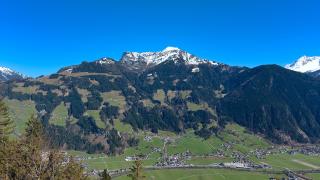
The route features thirty-six hairpin bends, each one revealing a new layer of the landscape. As you ascend to an elevation of 2,504 meters, the lush valleys below give way to barren, snow-capped rock and the glacial stillness of the Pasterze Glacier. The air grows thinner, and the views become sharper, almost abrasive in their clarity. You can choose your rhythm: park at Ferleiten to absorb wide, sweeping vistas of the surrounding peaks, or drive to Heiligenblut to visit the ancient St. Lawrence Church, where the quiet endurance of faith meets the endurance of the mountains. This ascent is not just about elevation; it is an immersion into Austria’s majestic, untamed backbone.
Resting Places: From Budget Inns to Imperial Suites
Austria’s hospitality is not a monolith; it is a spectrum that ranges from the pragmatic to the opulent. In the mountain town of Mittersill, you can secure a warm bed in a cozy pension for under €50. It is a place of practical comfort, offering a quiet night’s sleep without the fanfare of luxury. This affordability stands in sharp contrast to the sensory overload of Salzburg’s Hotel Sacher.
Here, guests are wrapped in velvet drapes and enveloped by the rich, chocolatey aroma of freshly baked Sachertorte. It is a luxury that engages every sense, a nod to imperial history served with precision. Meanwhile, Hallstatt’s Lakeside Hotel offers a different kind of exclusivity: stillness. The silence here is profound, broken only by the gentle lapping of water against the shore, mirroring the towering peaks above. Each choice reflects a different facet of Austrian culture, from the warm, unpretentious hospitality of the villages to the refined elegance of the cities.
Echoes of Empire and Alpine Silence
As you leave the structured elegance of Salzburg and the curated beauty of Hallstatt behind, the landscape shifts from cobblestone streets to raw, untamed wilderness. The journey toward the Hohe Tauern National Park strips away the layers of civilization, revealing the stark, enduring presence of the earth.
Driving past the mirror-like surface of Hallstatt, you might expect calm, but the real drama begins at Grossglockner. The 2,504-meter summit dominates the horizon, a stark, imposing figure against the sky. The serpentine curves of the High Alpine Road test the driver’s focus, offering breathtaking views of glacial ice that seems to hold time still. Each turn reveals a new contrast: lush green valleys giving way to barren rock, human history yielding to natural indifference.
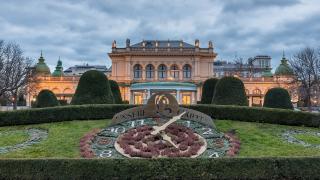
This winding ascent mirrors the complex legacy of the Habsburgs—beautiful, imposing, and ultimately transient. The imperial grandeur of Vienna feels distant here, replaced by the quiet endurance of the mountains. Austria survives not just in its stone monuments or royal palaces, but in this whispering landscape. It invites a moment of pause, a chance to reflect on how history settles into the earth. The silence at the top of the pass is not empty; it is full of stories waiting to be heard, echoing the resilience of a land that has survived empires, ice ages, and time itself.